
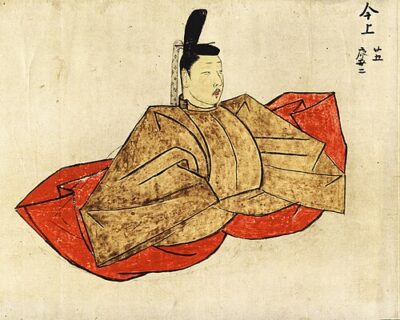
Go-Kōgon was an Emperor of Japan. Born March 23, 1338. Died March 12, 1374. Positions held include Emperor of Japan (1352–1371).
Facts
16 facts · 2 confirmed by two sources · 0 cited · 14 from one source
Where this comes from
Papalocal keeps its own record. It started from these sources; what each one said is kept here as it was copied, so a change on their side never changes this page by itself. Tap one to read its version.
What Wikidata says · copied November 17, 2026 · revision 2553942626
- Described as
- Emperor of Japan
- Born
- March 23, 1338
- Died
- March 12, 1374
- Buried in
- Fukakusa no Kita no Misasagi
- Cause of death
- smallpox
- Citizen of
- Japan
- Occupation
- ruler
- Positions held
- Emperor of Japan (1352–1371)
- Spouse
- Fujiwara no Nakako
- Children
- Go-En'yū; Gyōnin-hosshinnō; Gyōsho-hosshinnō; Dōen-hosshinnō; Eijo-hosshinnō · 1 reference
- Father
- Kōgon
- Mother
- Empress Dowager Yōroku
- Siblings
- Sukō
- Wikipedias with a page
- 25
Wikidata item Q555465 (wikidata.org/wiki/Q555465), public domain (CC0). Copied November 17, 2026.
What Wikipedia says · copied November 17, 2026 · revision 1375308722
Emperor Go-Kōgon (後光厳天皇, Go-Kōgon-tennō; 23 March 1338 – 12 March 1374) was the 4th of the Emperors of Northern Court during the Period of the Northern and Southern Courts. According to pre-Meiji scholars, his reign spanned the years from 1352 through 1371.
This Nanboku-chō "sovereign" was named after his father Emperor Kōgon and go- (後), translates literally as "later;" and thus, he may be called the "Later Emperor Kōgon", or, in some older sources, may be identified as "Emperor Kōgon, the second", or as "Emperor Kōgon II."
- Born, in its opening lines
- March 23, 1338
- Died, in its opening lines
- March 12, 1374
From the Wikipedia article “Emperor Go-Kōgon” (en.wikipedia.org/wiki/Emperor_Go-Kōgon), by its contributors, under CC BY-SA 4.0 (creativecommons.org/licenses/by-sa/4.0/). Copied November 17, 2026; not changed.
Confirmed Two sources agree. Cited One source, and it names where it got it. One source One source, without a reference of its own. Sources disagree The sources disagree. We show the best-supported value and keep theirs below.
