
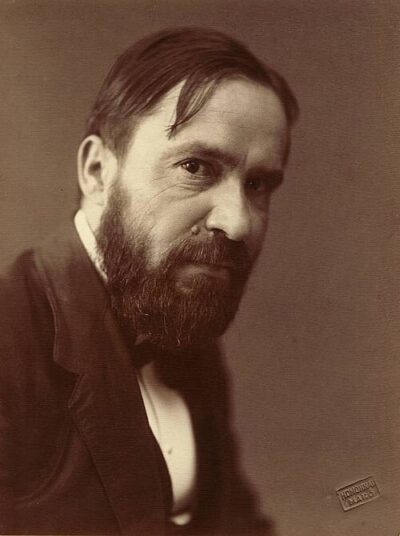
Gyula Juhász was a Hungarian poet. Born April 4, 1883, in Szeged. Died April 6, 1937, in Szeged. Educated at Eötvös Loránd University. Awards include Baumgarten Prize.
Facts
11 facts · 2 confirmed by two sources · 4 cited · 5 from one source
Where this comes from
Papalocal keeps its own record. It started from these sources; what each one said is kept here as it was copied, so a change on their side never changes this page by itself. Tap one to read its version.
What Wikidata says · copied November 17, 2026 · revision 2557903524
- Described as
- Hungarian poet (1883-1937)
- Other names
- Gyula Juhasz
- Born
- April 4, 1883 · 4 references
- Died
- April 6, 1937 · 3 references
- Born in
- Szeged · 1 reference
- Died in
- Szeged · 1 reference
- Buried in
- Central graveyard in Szeged · 1 reference
- Citizen of
- Hungary
- Occupation
- poet · 1 reference
- Worked for
- Nyugat
- Education
- Eötvös Loránd University (1903–1906)
- Member of
- Dugonics Társaság
- Awards
- Baumgarten Prize (1929)
- Wikipedias with a page
- 25
Wikidata item Q742045 (wikidata.org/wiki/Q742045), public domain (CC0). Copied November 17, 2026.
What Wikipedia says · copied November 17, 2026 · revision 1362772286
Gyula Juhász (4 April 1883, Szeged – 6 April 1937, Szeged) was a Hungarian poet, who was awarded the Baumgarten Prize.
His first poems were published in Szegedi Napló in 1899. Between 1902 and 1906 he was a student of the University of Budapest, where he met Mihály Babits and Dezső Kosztolányi.
Throughout his life, Juhász made multiple suicide attempts. He eventually died after overdosing on his headache relief medicine, in 1937.
- Born, in its opening lines
- April 4, 1883
- Died, in its opening lines
- April 6, 1937
From the Wikipedia article “Gyula Juhász (poet)” (en.wikipedia.org/wiki/Gyula_Juhász_(poet)), by its contributors, under CC BY-SA 4.0 (creativecommons.org/licenses/by-sa/4.0/). Copied November 17, 2026; not changed.
Confirmed Two sources agree. Cited One source, and it names where it got it. One source One source, without a reference of its own. Sources disagree The sources disagree. We show the best-supported value and keep theirs below.
