

Eötvös Loránd University
Eötvös Loránd University is a public research university in Budapest, Hungary. It was founded in 1635 by Péter Pázmány.
- Located in
- Budapest
- Country
- Hungary
- Founded
- 1635
- What it is
- public research university
All 10 facts, and where they come from
Facts
10 facts · 0 confirmed by two sources · 2 cited · 8 from one source
Where this comes from
Papalocal keeps its own record. It started from these sources; what each one said is kept here as it was copied, so a change on their side never changes this page by itself. Tap one to read its version.
What Wikidata says · copied November 16, 2026 · revision 2570066647
- Described as
- public research university in Budapest, Hungary
- Other names
- Universitas Budapestinensis de Rolando Eötvös nominata, Royal University of Pest, University of Budapest, Royal Hungarian Pázmány Péter University, Budapest University, elte.hu, Eötvös University, Péter Pázmány University, Pázmány Péter University, ELTE, Eötvös Loránd Tudományegyetem
- What it is
- public research university; open-access publisher · 1 reference
- Founded
- 1635
- Founded by
- Péter Pázmány
- Headquarters
- Budapest (1873–)
- Located in
- Budapest
- Country
- Hungary · 1 reference
- Named after
- Loránd Eötvös (1950–); Péter Pázmány (1921–1950)
- Official website
- https://www.elte.hu/
- Wikipedias with a page
- 47
Wikidata item Q390287 (wikidata.org/wiki/Q390287), public domain (CC0). Copied 2026-11-16.
What Wikipedia says · copied November 16, 2026 · revision 1385504652
Eötvös Loránd University (Hungarian: Eötvös Loránd Tudományegyetem, ELTE, also known as University of Budapest) is a public research university based in Budapest, Hungary. Founded in 1635, it is the longest continuously operating university in the country.
The almost 30 thousand students at ELTE are organized into nine faculties, and into research institutes located throughout Budapest and on the scenic banks of the Danube. ELTE is affiliated with 7 Nobel laureates, as well as winners of the Wolf Prize, Fulkerson Prize and Abel Prize, the latest of which was Nobel Prize in Literature winner László Krasznahorkai in 2025.
The predecessor of Eötvös Loránd University was founded in 1635 by Cardinal Péter Pázmány in Nagyszombat, Kingdom of Hungary (today Trnava, Slovakia) as a Catholic university for teaching theology and philosophy. In 1770, the university was transferred to Buda, later to Pest. It was named Royal University of Pest until 1873, then University of Budapest until 1921, when it was renamed Royal Hungarian Pázmány Péter University after its founder Péter Pázmány. The Faculty of Science started its autonomous life in 1949, when the Faculty of Theology and the Faculty of Medicine was separated from the university (now Pázmány Péter Catholic University and Semmelweis University). The university received its current name in 1950, after one of its most well-known physicists, Baron Loránd Eötvös.
From the Wikipedia article “Eötvös Loránd University” (en.wikipedia.org/wiki/Eötvös_Loránd_University), by its contributors, under CC BY-SA 4.0 (creativecommons.org/licenses/by-sa/4.0/). Copied 2026-11-16; not changed.
Confirmed Two sources agree. Cited One source, and it names where it got it. One source One source, without a reference of its own. Sources disagree The sources disagree. We show the best-supported value and keep theirs below.
Picture: Wikimedia Commons: ElteFotoThalerTamas2.jpg · See Commons file page
People connected 33
Studied here 31
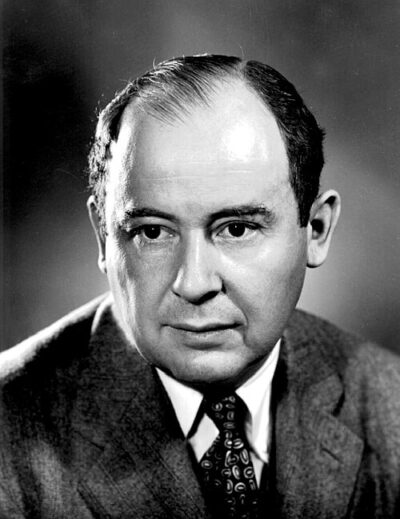 John von Neumann (1926)Hungarian and American mathematician and physicist (1903–1957)
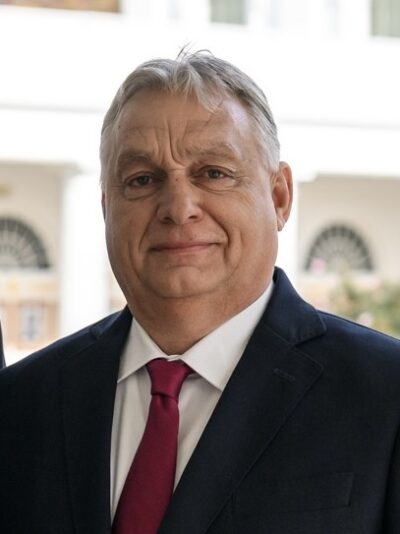 Viktor Orbán (1981–1987)Prime Minister of Hungary (1998–2002; 2010–2026) (born 1963)
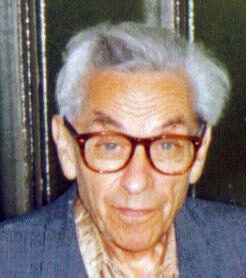 Paul Erdős (1930–1934)Hungarian mathematician (1913–1996)
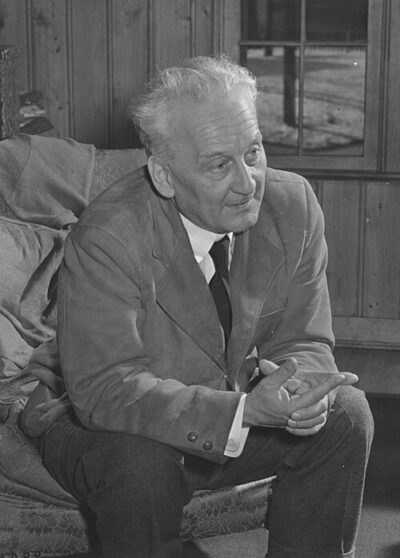 Albert Szent-Györgyi (1911–1917)Hungarian biochemist, Nobel Prize laureate in Physiology or Medicine in 1937 (1893–1986)
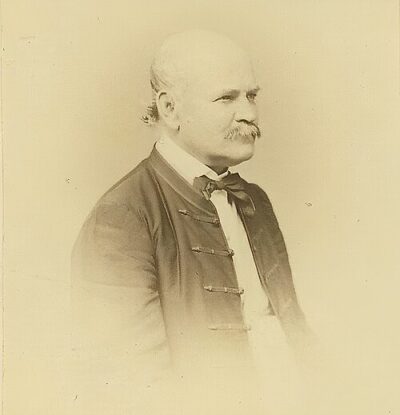 Ignaz Semmelweis (–1841)Hungarian physician, early pioneer of antiseptic procedures (1818–1865)
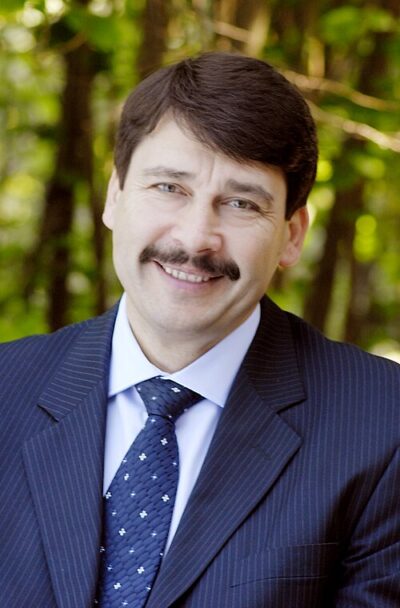 János Áder (1978–1983)President of Hungary from 2012 to 2022 (born 1959)
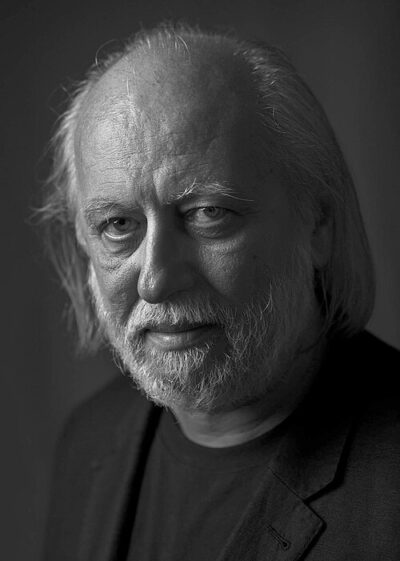 László Krasznahorkai (1976–1983)Hungarian novelist and screenwriter
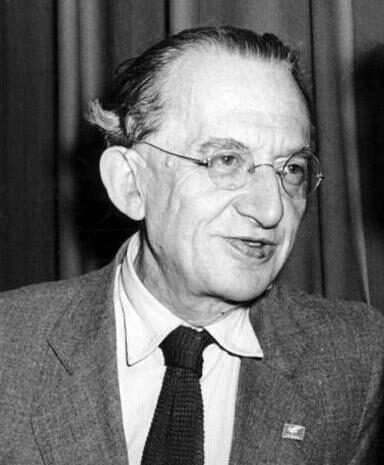 Georg Lukács (–1909)Hungarian marxist philosopher and literary critic (1885–1971)
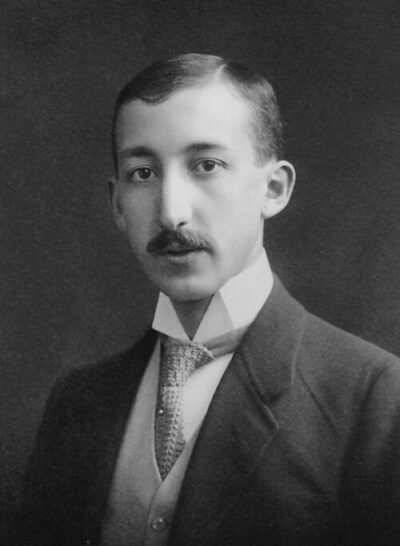 George de Hevesy (–1904)Hungarian chemist (1885–1966)
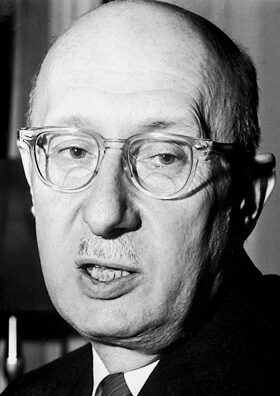 Georg von Békésy (–1923)Hungarian physicist (1899–1972)
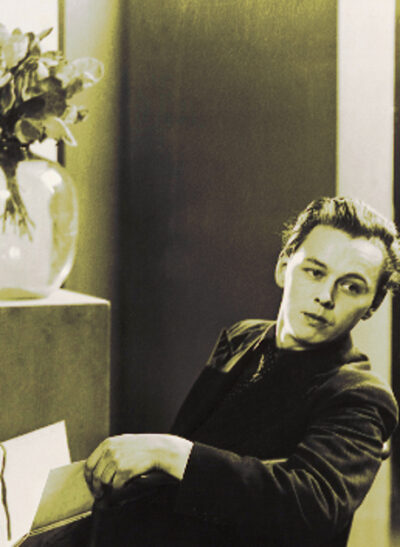 Victor Vasarely (1925–)French-Hungarian painter and printmaker (1906–1997)
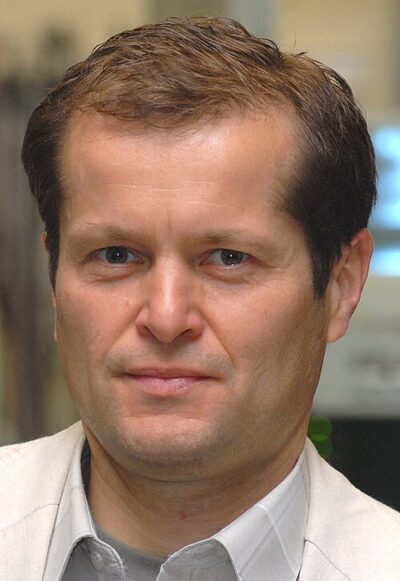 Ferenc Krausz (1981–1985)Austrian-Hungarian laser physicist and university teacher (born 1962)
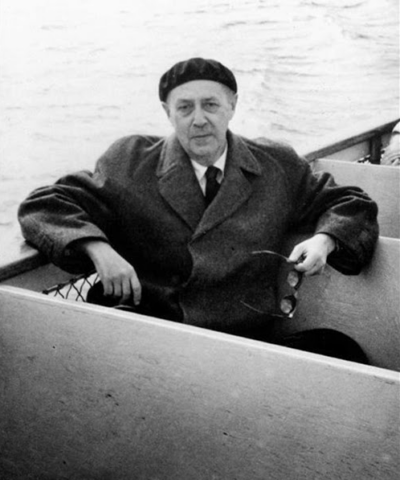 Sándor MáraiHungarian writer (1900–1989)
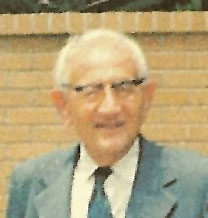 George Pólya (1905–1912)Hungarian mathematician (1887-1985)
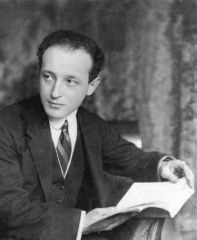 Karl Mannheim (1911–1916)Hungarian-German philosopher and sociologist (1893-1947)
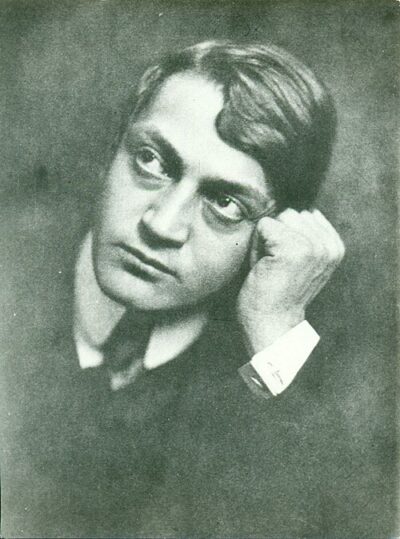 Endre Ady (1897–1898)Hungarian poet (1877–1919)
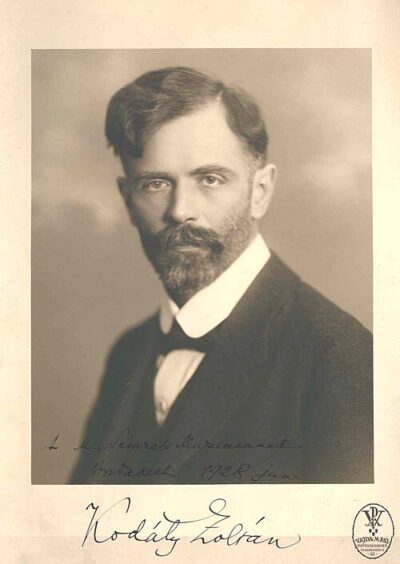 Zoltán Kodály (1900–)Hungarian composer, ethnomusicologist, pedagogue (1882–1967)
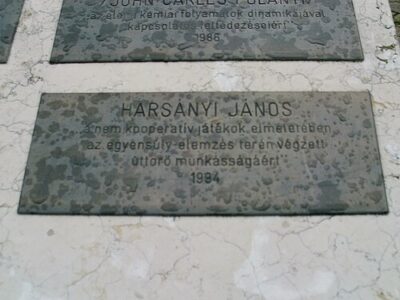 John Harsanyi (–1942)Hungarian economist (1920-2000)
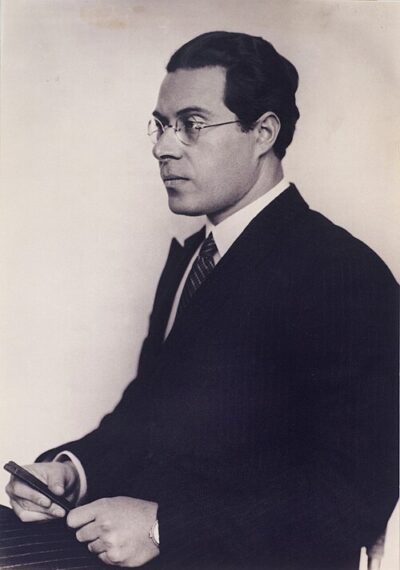 László Moholy-NagyHungarian artist (1895–1946)
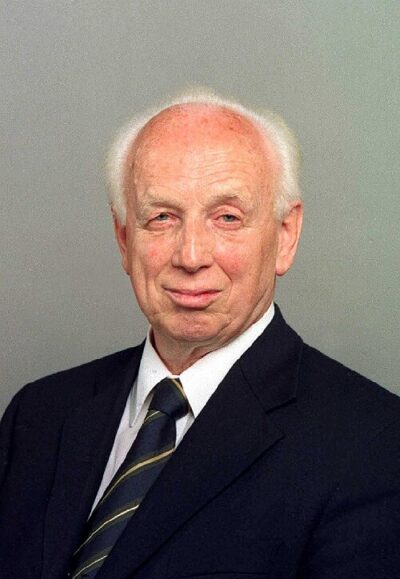 Ferenc Mádl (–1955)Hungarian politician (1931-2011)
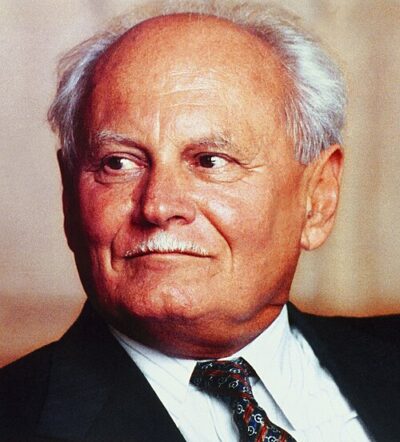 Árpád Göncz (–1944)Hungarian politician, writer, translator, President of Hungary (1922-2015)
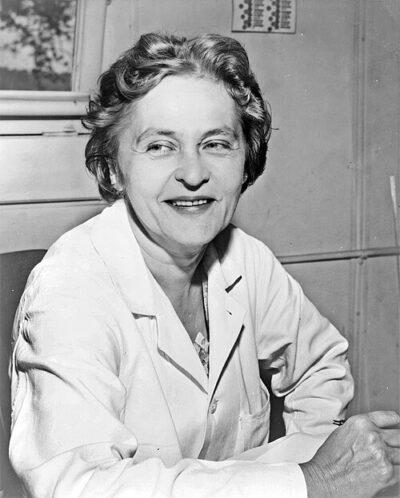 Mária Telkes (–1920)Hungarian–American scientist and inventor (1900–1995)
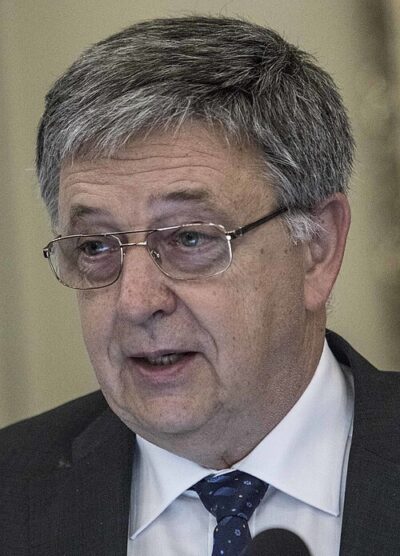 László Lovász (–1971)Hungarian mathematician (1948–)
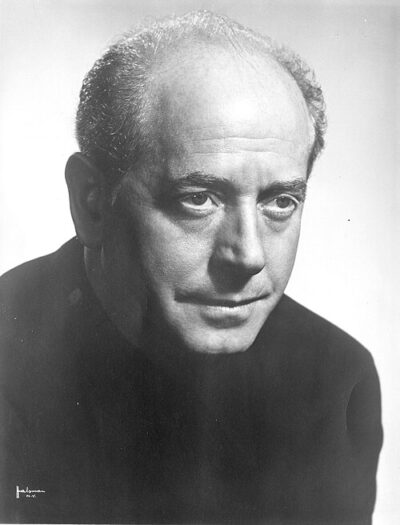 Eugene Ormandy (–1920)Hungarian-American conductor and violinist
and 7 more
Worked here
- Ignaz SemmelweisHungarian physician, early pioneer of antiseptic procedures (1818–1865)
- George de HevesyHungarian chemist (1885–1966)
- Georg von BékésyHungarian physicist (1899–1972)
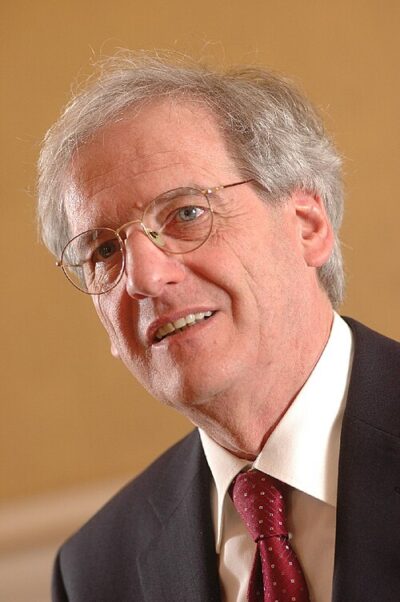 László Sólyompolitician and former President of Hungary (1942–2023)
- Ferenc MádlHungarian politician (1931-2011)
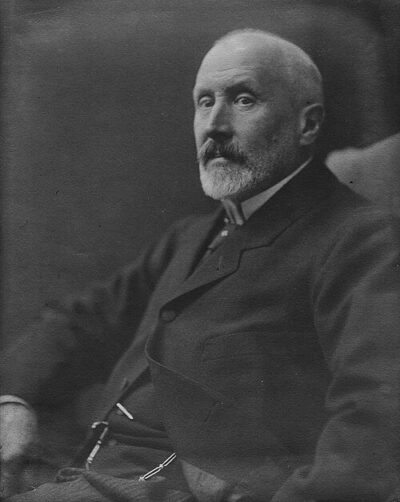 Loránd Eötvös (1871–1919)Hungarian physicist (1848–1919)
- László LovászHungarian mathematician (1948–)
