
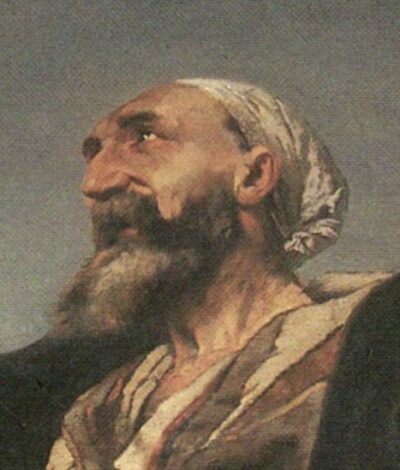
Hafez
Hafez was a Persian poet and mystic. Born 1325, in Shiraz. Died 1389, in Shiraz. Known for The Divān of Hafez.
Facts
14 facts · 1 confirmed by two sources · 2 cited · 10 from one source · 1 where the sources disagree
What’s different
- Died: we show 1389 (Sources disagree). Wikipedia says 1390
Where this comes from
Papalocal keeps its own record. It started from these sources; what each one said is kept here as it was copied, so a change on their side never changes this page by itself. Tap one to read its version.
What Wikidata says · copied November 16, 2026 · revision 2568231370
- Described as
- Persian poet and mystic (1325–1389)
- Other names
- of Shiraz Šams-al-Din Moḥammad, Anacreon of Persia, Khāja Shamsu Dīn Muhammad Hāfez-e Shīrāzī, Shamsoddin Mohammad Hafez-e Shirazi, Ḥāfeẓ, Moḥammed Shams od-Dīn Ḥafeẓ, Ḥāfiẓ, Ḥāfiẓ Shīrāzī, Shams al-Dīn Muḥammad Shīrāzī, Shams-ud-Din Mohammed, Moḥammed Šams al-Dīn Ḥafeẓ, Hafiz
- Born
- 1325 · 3 references
- Died
- 1389 · 3 references
- Born in
- Shiraz
- Died in
- Shiraz
- Buried in
- Tomb of Hafez
- Citizen of
- Muzaffarids of Iran; Timurid Empire
- Occupation
- poet · 1 reference; lyricist; writer · 1 reference
- Genre
- lyric poetry
- Known for
- The Divān of Hafez
- Religion
- Islam; Sunni Islam
- Wikipedias with a page
- 163
Wikidata item Q6240 (wikidata.org/wiki/Q6240), public domain (CC0). Copied November 16, 2026.
What Wikipedia says · copied November 16, 2026 · revision 1385659592
Khajeh Shams-od-Din Mohammad Hafez Shirazi (1325–1390), also known by his pen name Hafez, was a Persian lyric poet whose collected works are regarded by many Iranians as one of the highest pinnacles of Persian literature. His works are often found in the homes of Persian speakers, who learn his poems by heart and use them as everyday proverbs and sayings. His life and poems have become the subjects of much analysis, commentary, and interpretation, influencing post-14th century Persian writing more than any other Persian author. He is also known by his sobriquet Lisan al-Ghayb (Tongue of the Unseen).
Hafez is best known for his Divân, a collection of his surviving poems probably compiled after his death. His works can be described as "antinomian" and with the medieval use of the term "theosophical"; the term "theosophy" in the 13th and 14th centuries was used to indicate mystical work by "authors only inspired by the Islamic holy books" (as distinguished from theology). Hafez primarily wrote in the literary genre of lyric poetry or ghazals, which is the ideal style for expressing the ecstasy of divine inspiration in the mystical form of love poems. He was a Sufi.
Themes of his ghazals include the beloved, faith and exposing hypocrisy. In his ghazals, he deals with love, wine and taverns, all presenting religious ecstasy and freedom from restraint, whether in actual worldly release or in the voice of the lover. His influence on Persian speakers appears in divination by his poems (Persian: فال حافظ, romanized: fâl-e hâfez, somewhat similar to the Roman tradition of Sortes Vergilianae) and in the frequent use of his poems in Persian traditional music, visual art and Persian calligraphy. His tomb is located in his birthplace of Shiraz and is regularly visited by locals. Adaptations, imitations, and translations of his poems exist in all major languages.
- Born, in its opening lines
- 1325
- Died, in its opening lines
- 1390
From the Wikipedia article “Hafez” (en.wikipedia.org/wiki/Hafez), by its contributors, under CC BY-SA 4.0 (creativecommons.org/licenses/by-sa/4.0/). Copied November 16, 2026; not changed.
Confirmed Two sources agree. Cited One source, and it names where it got it. One source One source, without a reference of its own. Sources disagree The sources disagree. We show the best-supported value and keep theirs below.
