
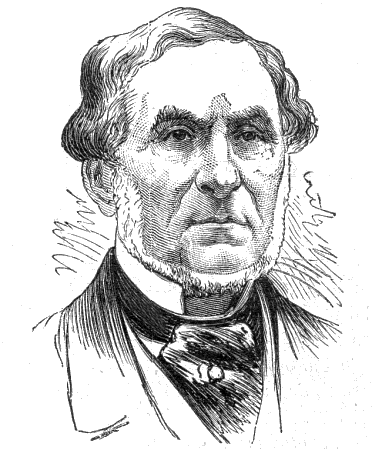
Henri Auguste Barbier
Henri Auguste Barbier was a French dramatist and poet. Born April 29, 1805, in former 10th arrondissement of Paris. Died February 13, 1882, in Nice. Positions held include Member of the Académie française (1869–1882). Educated at Lycée Henri-IV. Awards include Knight of the Legion of Honour.
Facts
15 facts · 2 confirmed by two sources · 4 cited · 8 from one source · 1 where the sources disagree
What’s different
- Buried in: we show Père Lachaise Cemetery (Sources disagree). Wikidata also lists Grave of Barbier
Where this comes from
Papalocal keeps its own record. It started from these sources; what each one said is kept here as it was copied, so a change on their side never changes this page by itself. Tap one to read its version.
What Wikidata says · copied November 16, 2026 · revision 2565597505
- Described as
- French dramatist and poet (1805-1882)
- Other names
- Auguste Barbier, Henry Barbier
- Born
- April 29, 1805 · 4 references
- Died
- February 13, 1882 · 4 references
- Born in
- former 10th arrondissement of Paris · 5 references
- Died in
- Nice · 4 references
- Buried in
- Père Lachaise Cemetery; Grave of Barbier
- Citizen of
- France
- Occupation
- poet; translator; playwright; writer · 2 references; librettist · 1 reference
- Positions held
- Member of the Académie française (1869–1882)
- Education
- Lycée Henri-IV
- Member of
- Académie Française (1869–)
- Awards
- Knight of the Legion of Honour
- Wikipedias with a page
- 31
Wikidata item Q738494 (wikidata.org/wiki/Q738494), public domain (CC0). Copied November 16, 2026.
What Wikipedia says · copied November 16, 2026 · revision 1371726144
Henri Auguste Barbier (29 April 1805 – 13 February 1882) was a French dramatist and poet.
Barbier was born in Paris, France. He was inspired by the July Revolution and poured forth a series of eager, vigorous poems, denouncing the evils of the time. They are spoken of collectively as the Iambes (1831), though the designation is not strictly applicable to all. As the name suggests, they are modelled on the verse of André Chénier. They include La Curée, La Popularité, L'Idole, Paris, Dante, Quatre-vingt-treize and Varsovie. The rest of Barbier's poems are forgotten, and when, in 1869, he received the long delayed honour of admission to the Académie française, Montalembert expressed the general sentiment with "Barbier? mais il est mort!," but actually he died at Nice in 1882.
Barbier collaborated with Léon de Wailly in the libretto of Berlioz' opera Benvenuto Cellini, and his works include two series of poems on the political and social troubles of Italy and England, printed in later editions of Iambes et poèmes.
- Born, in its opening lines
- April 29, 1805
- Died, in its opening lines
- February 13, 1882
From the Wikipedia article “Auguste Barbier” (en.wikipedia.org/wiki/Auguste_Barbier), by its contributors, under CC BY-SA 4.0 (creativecommons.org/licenses/by-sa/4.0/). Copied November 16, 2026; not changed.
Confirmed Two sources agree. Cited One source, and it names where it got it. One source One source, without a reference of its own. Sources disagree The sources disagree. We show the best-supported value and keep theirs below.
