

Académie Française
Académie Française is a pre-eminent council for the French language. It was founded in 1635 by Armand-Jean du Plessis, duc de Richelieu. Its headquarters are in Paris.
- Founded
- January 29, 1635
- Founded by
- Armand-Jean du Plessis, duc de Richelieu
- Headquarters
- Paris
- Industry
- higher education
- Country
- France
All 11 facts, and where they come from
Facts
11 facts · 0 confirmed by two sources · 2 cited · 9 from one source
Where this comes from
Papalocal keeps its own record. It started from these sources; what each one said is kept here as it was copied, so a change on their side never changes this page by itself. Tap one to read its version.
What Wikidata says · copied November 16, 2026 · revision 2564638062
- Described as
- pre-eminent council for the French language
- Other names
- French Academy, Académie française, Academie francaise
- What it is
- learned society; national academy; language regulator
- Founded
- January 29, 1635 · 1 reference
- Founded by
- Armand-Jean du Plessis, duc de Richelieu · 1 reference
- Headquarters
- Paris
- Located in
- 6th arrondissement of Paris
- Country
- France
- Industry
- higher education
- Field
- French
- Official website
- http://www.academie-francaise.fr/ · 1 reference
- Wikipedias with a page
- 79
Wikidata item Q161806 (wikidata.org/wiki/Q161806), public domain (CC0). Copied 2026-11-16.
What Wikipedia says · copied November 16, 2026 · revision 1382956546
The Académie Française (French pronunciation: [akademi fʁɑ̃sɛːz]), written as Académie française in French , also colloquially known as the French Academy in English, is the principal French council for matters pertaining to the French language.
The Académie was officially established in 1635 by Cardinal Richelieu, the chief minister to King Louis XIII.
Abolished in 1793 during the French Revolution, it was restored as a division of the Institut de France in 1803 by Napoleon Bonaparte.
It is the oldest of the five académies of the institute. The body has the duty of acting as an official authority on the language; it is tasked with publishing an official dictionary of the language.
The Académie comprises forty members, known as les immortels ("the immortals"). New members are elected by the members of the Académie itself. Academicians normally hold office for life, but they may resign or be dismissed for misconduct. Philippe Pétain, named Marshal of France after the Battle of Verdun of World War I, was elected to the Académie in 1931 and, after his governorship of Vichy France in World War II, was forced to resign his seat in 1945.
From the Wikipedia article “Académie Française” (en.wikipedia.org/wiki/Académie_Française), by its contributors, under CC BY-SA 4.0 (creativecommons.org/licenses/by-sa/4.0/). Copied 2026-11-16; not changed.
Confirmed Two sources agree. Cited One source, and it names where it got it. One source One source, without a reference of its own. Sources disagree The sources disagree. We show the best-supported value and keep theirs below.
Picture: Wikimedia Commons: French Institute, Paris 2014 002.jpg · See Commons file page
People connected 95
Members 95
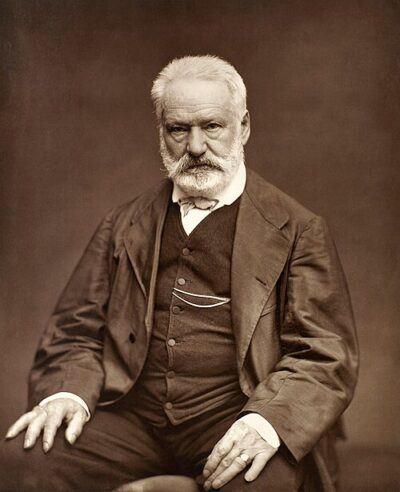 Victor Hugo (1841–1885)French novelist, poet, dramatist and politician (1802–1885)
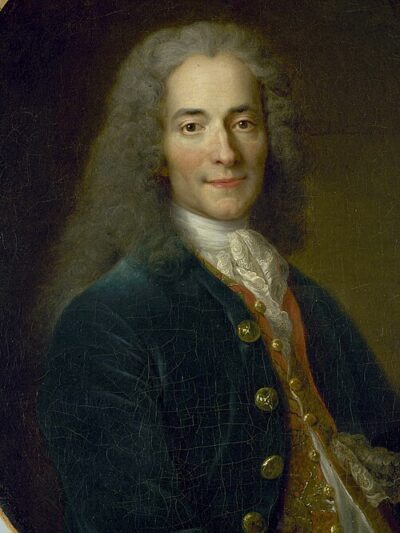 Voltaire (1746–)French writer, historian and philosopher (1694–1778)
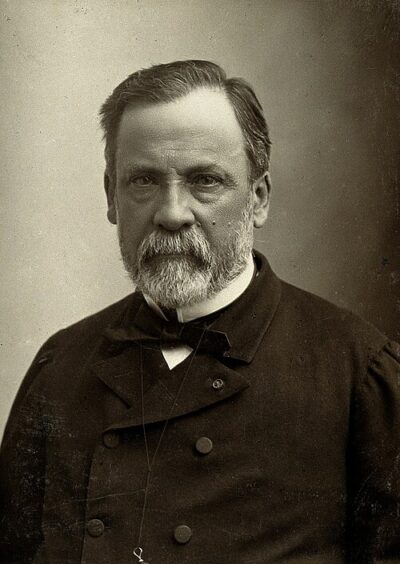 Louis Pasteur (1881–1895)French chemist and microbiologist (1822–1895)
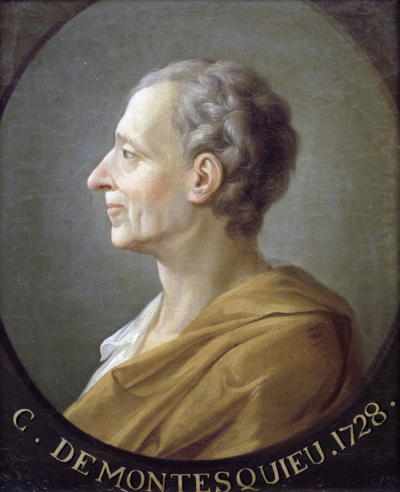 Montesquieu (1728–1755)French philosopher (1689–1755)
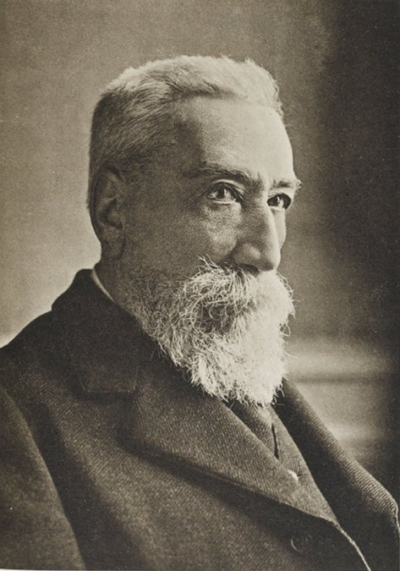 Anatole France (1896–)French writer (1844–1924)
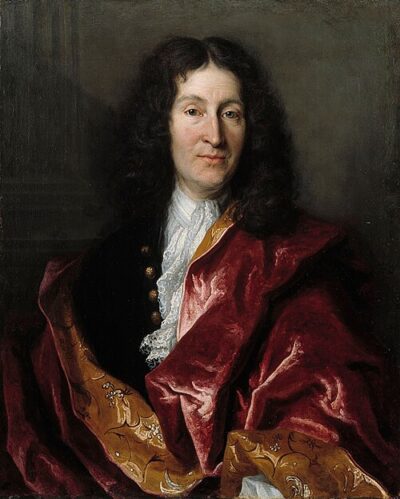 Jean de La Fontaine (1684–1695)French poet, fabulist and writer (1621–1695)
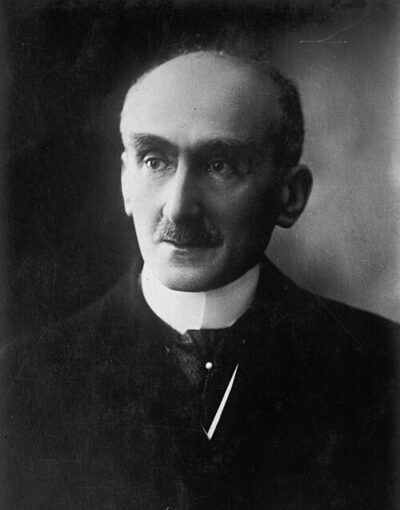 Henri Bergson (1914–1941)French philosopher (1859–1941)
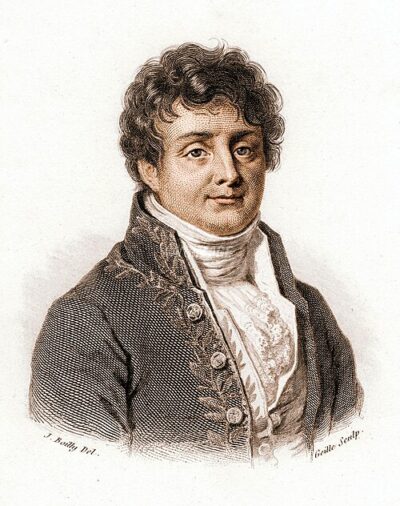 Joseph Fourier (1826–1830)French mathematician and physicist (1768 – 1830)
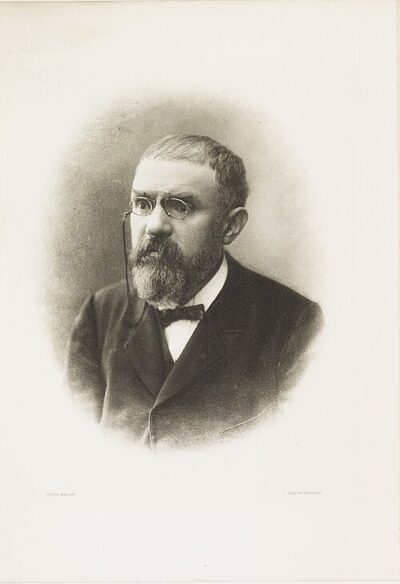 Henri Poincaré (1908–1912)French mathematician, physicist and engineer (1854–1912)
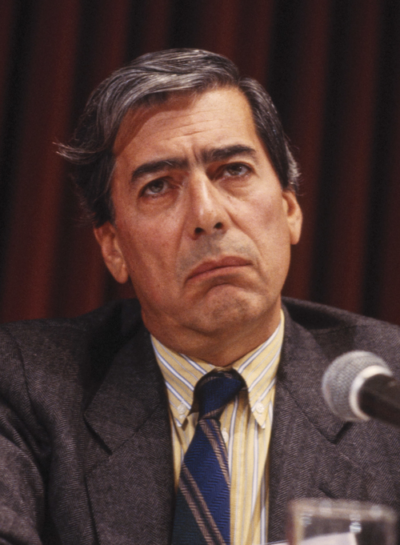 Mario Vargas Llosa (2021–)Peruvian, Spanish and Dominican novelist and writer (1936–2025)
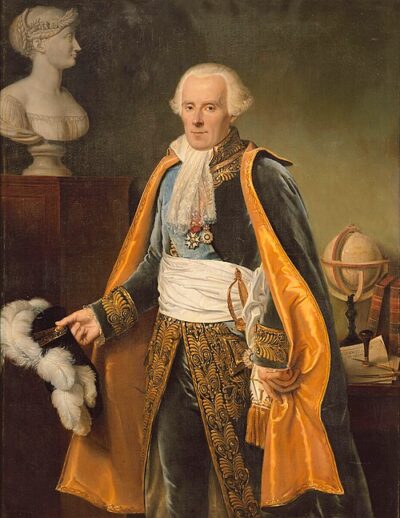 Pierre-Simon Laplace (1816–1827)French mathematician and astronomer (1749–1827)
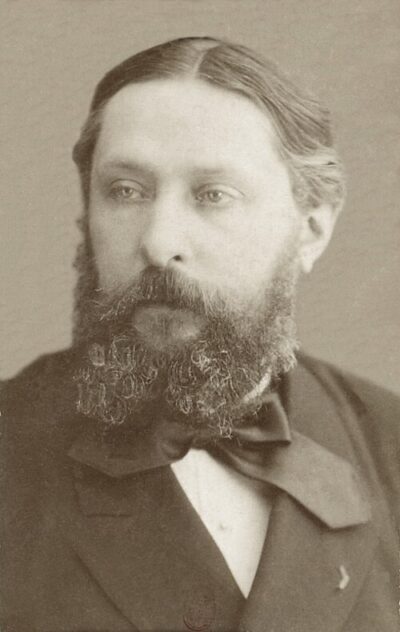 Sully Prudhomme (1881–1907)French poet, Nobel prize for literature winner 1901 (1839–1907)
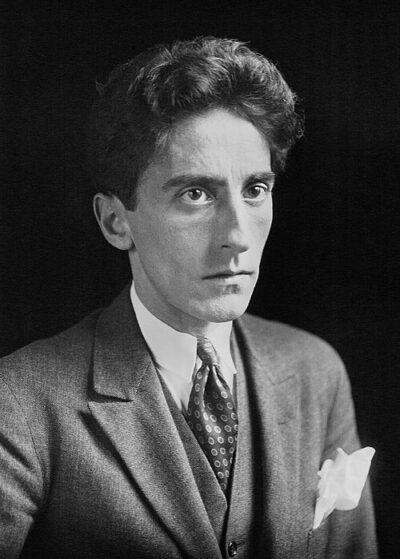 Jean Cocteau (1955–)French writer and film director (1889–1963)
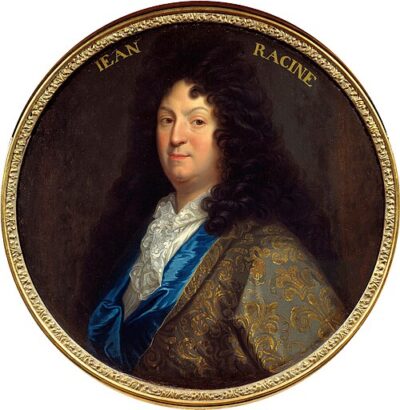 Jean Racine (1672–1699)French dramatist (1639-1699)
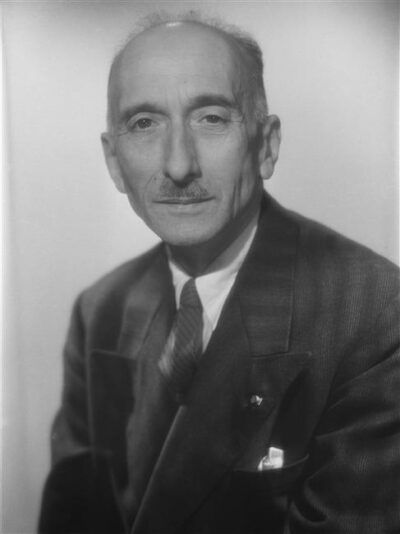 François Mauriac (1933–1970)French writer (1885-1970)
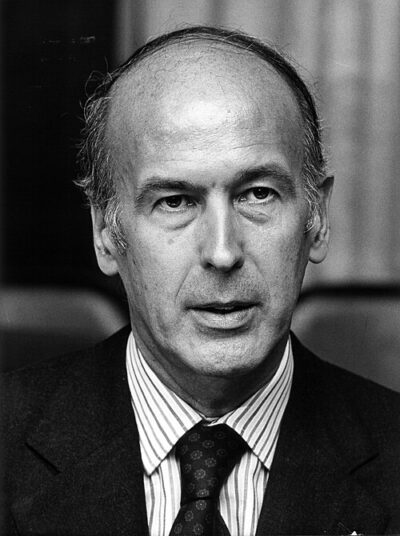 Valéry Giscard d'Estaing (2003–2020)French official and politician (1926–2020)
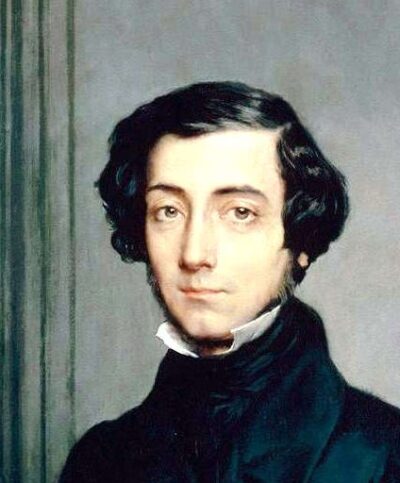 Alexis de Tocqueville (1841–1859)French political thinker and historian, minister of Foreign Affairs (1805-1859)
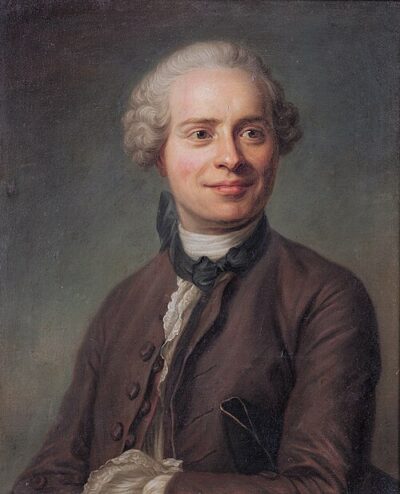 Jean Le Rond d'Alembert (1754–1783)French mathematician, mechanician, physicist, philosopher and music theorist (1717-1783)
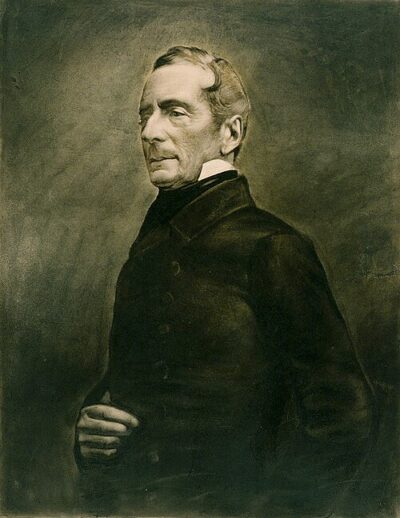 Alphonse de Lamartine (1829–1869)French author, poet and statesman (1790-1869)
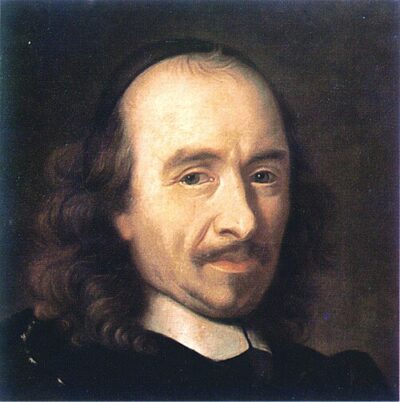 Pierre Corneille (1647–1684)French tragedian (1606–1684)
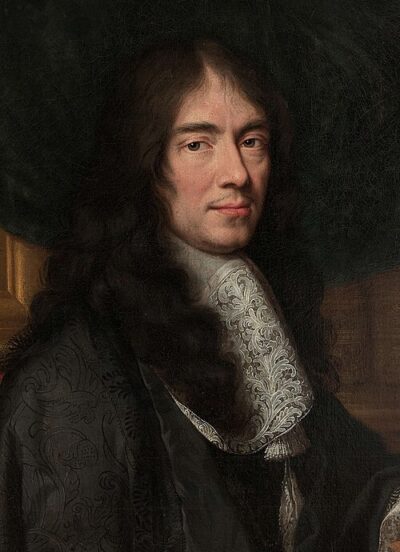 Charles Perrault (1671–1703)French author (1628-1703)
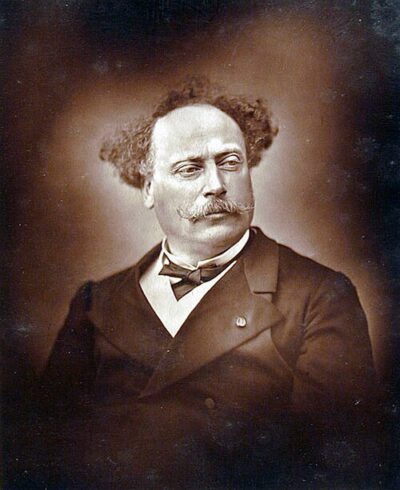 Alexandre Dumas fils (1874–1895)French writer and dramatist (1824–1895)
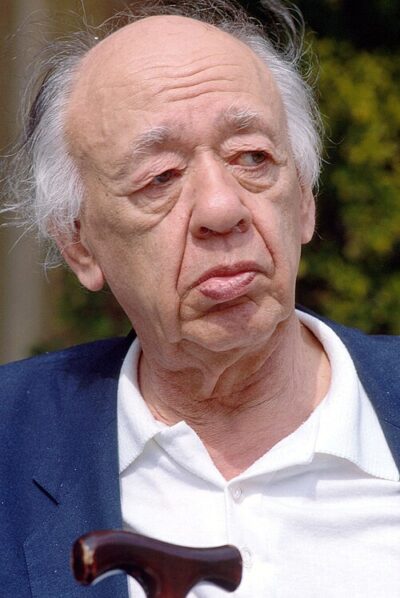 Eugène Ionesco (1970–1994)Romanian-French playwright (1909–1994)
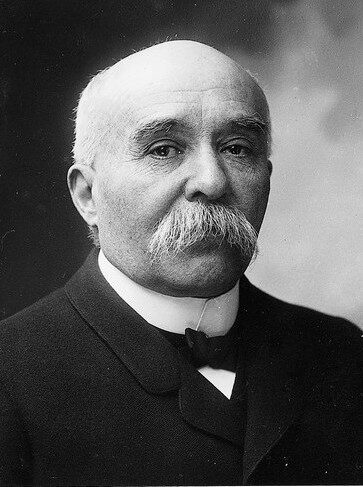 Georges Clemenceau (1918–1929)Prime Minister of France, 1906–1909 and 1917–1920 (1841–1929)
and 71 more
