
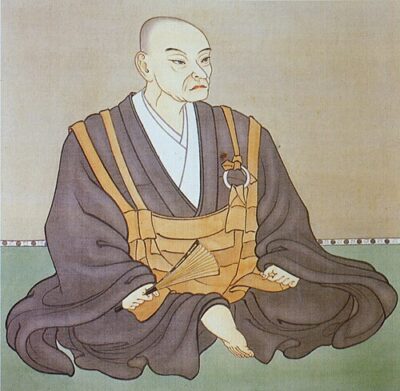
Hōjō Sōun was a Japanese daimyo of the early Sengoku period. Born 1456, in Takakoshi Castle. Died September 8, 1519, in Nirayama Castle. Positions held include daimyo. Known for Sōunji-dono Nijūikkajō.
Facts
21 facts · 0 confirmed by two sources · 0 cited · 21 from one source
Where this comes from
Papalocal keeps its own record. It started from these sources; what each one said is kept here as it was copied, so a change on their side never changes this page by itself. Tap one to read its version.
What Wikidata says · copied November 17, 2026 · revision 2493058885
- Described as
- Japanese daimyo of the early Sengoku period
- Other names
- Ise Moritoki, Ise Sōzui, Hojo Soun, Ise Sozui, Houjou Souun
- Born
- 1456
- Died
- September 8, 1519
- Born in
- Takakoshi Castle · 1 reference
- Died in
- Nirayama Castle · 1 reference
- Buried in
- Sōun-ji Temple
- Name at birth
- 盛時
- Citizen of
- Japan
- Occupation
- samurai; daimyo
- Positions held
- daimyo
- Known for
- Sōunji-dono Nijūikkajō
- Spouse
- Nan'yōin-dono
- Children
- Hōjō Ujitsuna; Hōjō Gen'an; Hōjō Ujitoki; Katsurayama Ujihiro
- Father
- Ise Morisada
- Mother
- dcera Sadakuniho Iseho
- Siblings
- Ise Yajirō; Kitagawa-dono
- Religion
- Buddhism
- Wikipedias with a page
- 26
Wikidata item Q924929 (wikidata.org/wiki/Q924929), public domain (CC0). Copied November 17, 2026.
What Wikipedia says · copied November 17, 2026 · revision 1383965384
Ise Sōzui (伊勢 宗瑞; 1432 or 1456 – September 8, 1519), also known as Hōjō Sōun (北条 早雲), was a Japanese daimyo and the first head of the Later Hōjō clan, one of the major powers in Japan's Sengoku period. He belonged to a cadet branch of the Ise family. The Hōjō surname was adopted by his son Ujitsuna in 1523, after Sōun's death.
From the Wikipedia article “Hōjō Sōun” (en.wikipedia.org/wiki/Hōjō_Sōun), by its contributors, under CC BY-SA 4.0 (creativecommons.org/licenses/by-sa/4.0/). Copied November 17, 2026; not changed.
Confirmed Two sources agree. Cited One source, and it names where it got it. One source One source, without a reference of its own. Sources disagree The sources disagree. We show the best-supported value and keep theirs below.
