

daimyo
Daimyo is a powerful feudal territorial lord in pre-modern Japan.
- Country
- Japan
All 3 facts, and where they come from
Facts
3 facts · 0 confirmed by two sources · 0 cited · 3 from one source
Where this comes from
Papalocal keeps its own record. It started from these sources; what each one said is kept here as it was copied, so a change on their side never changes this page by itself. Tap one to read its version.
What Wikidata says · copied November 17, 2026 · revision 2529241022
- Described as
- powerful feudal territorial lord in pre-modern Japan
- Other names
- daimio, daimyō, Daimyo
- What it is
- position; noble title
- Country
- Japan
- Wikipedias with a page
- 66
Wikidata item Q61982 (wikidata.org/wiki/Q61982), public domain (CC0). Copied 2026-11-17.
What Wikipedia says · copied November 17, 2026 · revision 1381415547
Daimyo or daimio (大名, daimyō; English: , DIME-yoh; Japanese: [dai.mʲoꜜː] ) were powerful Japanese magnates, feudal lords who, from the 15th century to the early Meiji period in the middle 19th century, ruled most of Japan from their vast hereditary land holdings. They were subordinate to the shogun and nominally to the emperor and the kuge (an aristocratic class). In the term, dai (大) means 'large', and myō stands for myōden (名田), meaning 'private land'.
From the shugo of the Muromachi period through the Sengoku period to the daimyo of the Edo period, the rank had a long and varied history. The backgrounds of daimyo also varied considerably; while some daimyo clans, notably the Mōri, Shimazu and Hosokawa, were cadet branches of the Imperial family or were descended from the kuge, other daimyo were promoted from the ranks of the samurai, notably during the Edo period.
Daimyo often hired samurai to guard their land, and paid them in land or food, as relatively few could afford to pay them in money. The daimyo era ended soon after the Meiji Restoration, with the adoption of the prefecture system in 1871.
From the Wikipedia article “Daimyo” (en.wikipedia.org/wiki/Daimyo), by its contributors, under CC BY-SA 4.0 (creativecommons.org/licenses/by-sa/4.0/). Copied 2026-11-17; not changed.
Confirmed Two sources agree. Cited One source, and it names where it got it. One source One source, without a reference of its own. Sources disagree The sources disagree. We show the best-supported value and keep theirs below.
Picture: Wikimedia Commons: Map Japan Genki1-en.svg · See Commons file page
People connected 11
Held this office
 Date Masamune (1600–1636)daimyo of the Sengoku period to early-Edo period; 1st lord of Sendai
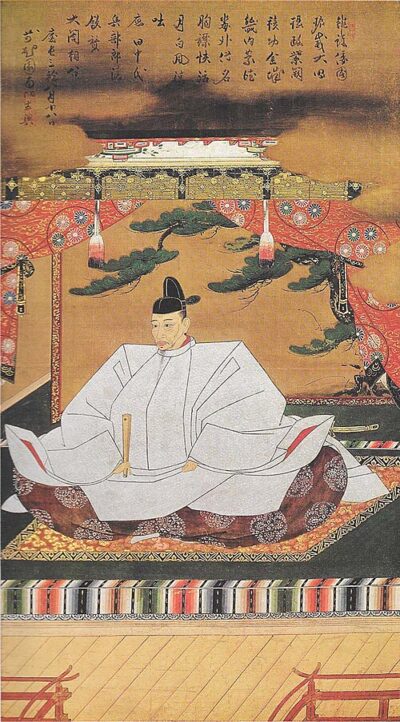 Toyotomi HideyoshiJapanese samurai and daimyo (1537–1598)
 Akechi Mitsuhide16th-century samurai; assassin of Oda Nobunaga
 Tokugawa YoshimuneThe eighth shogun of the Tokugawa shogunate of Japan (1684-1751)
 Katō Kiyomasa16th-century Japanese daimyo (1562-1611)
 Toyotomi HideyoriJapanese samurai (1593-1615)
 Ishida Mitsunarisamurai who led the Western army in the Battle of Sekigahara
 Tokugawa TsunayoshiThe fifth shogun of the Tokugawa shogunate of Japan (1646-1709)
 Imagawa YoshimotoJapanese daimyo of the Sengoku period
 Mōri Motonaria prominent daimyō in the west Chūgoku region of Japan during the Sengoku period of the 16th century
Occupation
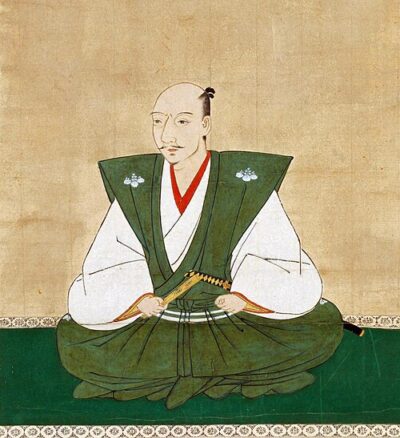 Oda NobunagaJapanese samurai and warlord (1534–1582)
- Toyotomi HideyoshiJapanese samurai and daimyo (1537–1598)
- Imagawa YoshimotoJapanese daimyo of the Sengoku period
- Mōri Motonaria prominent daimyō in the west Chūgoku region of Japan during the Sengoku period of the 16th century
