
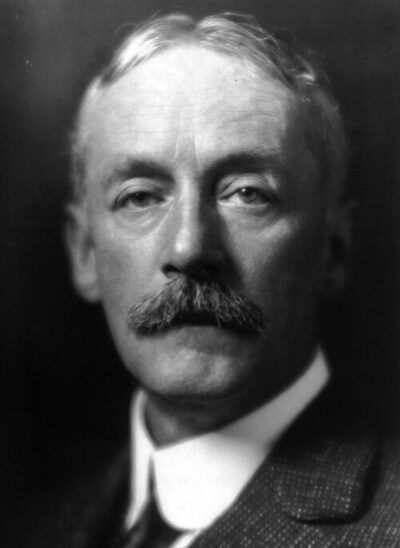
Horatio Parker
Horatio Parker was an American composer and teacher. Born September 15, 1863, in Auburndale. Died December 18, 1919, in Cedarhurst.
Facts
18 facts · 2 confirmed by two sources · 10 cited · 6 from one source
Where this comes from
Papalocal keeps its own record. It started from these sources; what each one said is kept here as it was copied, so a change on their side never changes this page by itself. Tap one to read its version.
What Wikidata says · copied November 18, 2026 · revision 2564656782
- Described as
- American composer and teacher (1863–1919)
- Other names
- Horatio William Parker, Horatio W. Parker, H. W. Parker, H.W. Parker
- Born
- September 15, 1863 · 7 references
- Died
- December 18, 1919 · 7 references
- Born in
- Auburndale · 1 reference
- Died in
- Cedarhurst
- Buried in
- St. Mary's Cemetery · 1 reference
- Citizen of
- United States
- Occupation
- composer · 2 references; music educator; choir director · 1 reference; conductor · 1 reference; music teacher · 1 reference; church musician · 1 reference; musician · 1 reference; organist · 1 reference
- Member of
- American Academy of Arts and Letters
- Genre
- opera
- Instrument
- pipe organ
- Father
- Charles Edward Parker · 1 reference
- Wikipedias with a page
- 18
Wikidata item Q957738 (wikidata.org/wiki/Q957738), public domain (CC0). Copied November 18, 2026.
What Wikipedia says · copied November 18, 2026 · revision 1384916164
Horatio William Parker (September 15, 1863 – December 18, 1919) was an American composer, organist and teacher. He was a central figure in musical life in New Haven, Connecticut in the late 19th century, and is best remembered as the undergraduate teacher of Charles Ives while the composer attended Yale University.
- Born, in its opening lines
- September 15, 1863
- Died, in its opening lines
- December 18, 1919
From the Wikipedia article “Horatio Parker” (en.wikipedia.org/wiki/Horatio_Parker), by its contributors, under CC BY-SA 4.0 (creativecommons.org/licenses/by-sa/4.0/). Copied November 18, 2026; not changed.
Confirmed Two sources agree. Cited One source, and it names where it got it. One source One source, without a reference of its own. Sources disagree The sources disagree. We show the best-supported value and keep theirs below.
