

organist
Organist is a musician who plays any type of organ.
All 3 facts, and where they come from
Facts
3 facts · 0 confirmed by two sources · 1 cited · 2 from one source
Where this comes from
Papalocal keeps its own record. It started from these sources; what each one said is kept here as it was copied, so a change on their side never changes this page by itself. Tap one to read its version.
What Wikidata says · copied November 17, 2026 · revision 2569352396
- Described as
- musician who plays any type of organ
- Other names
- organ player
- What it is
- musical profession; position; occupation · 1 reference
- Wikipedias with a page
- 28
Wikidata item Q765778 (wikidata.org/wiki/Q765778), public domain (CC0). Copied 2026-11-17.
What Wikipedia says · copied November 17, 2026 · revision 1351862356
An organist is a musician who plays any type of organ. An organist may play solo organ works, play with an ensemble or orchestra, or accompany one or more singers or instrumental soloists. In addition, an organist may accompany congregational hymn-singing and play liturgical music.
From the Wikipedia article “Organist” (en.wikipedia.org/wiki/Organist), by its contributors, under CC BY-SA 4.0 (creativecommons.org/licenses/by-sa/4.0/). Copied 2026-11-17; not changed.
Confirmed Two sources agree. Cited One source, and it names where it got it. One source One source, without a reference of its own. Sources disagree The sources disagree. We show the best-supported value and keep theirs below.
Picture: Wikimedia Commons: Organist at Lausanne Cathedral.jpg · See Commons file page
People connected 110
Occupation 110
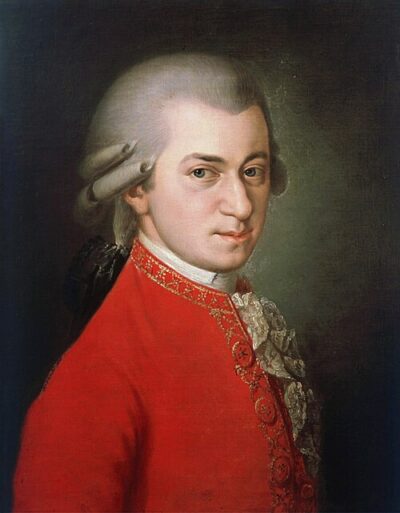 Wolfgang Amadeus MozartAustrian composer of the Classical period (1756–1791)
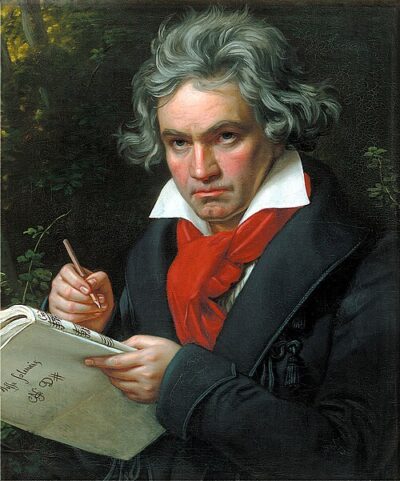 Ludwig van BeethovenGerman composer (1770-1827)
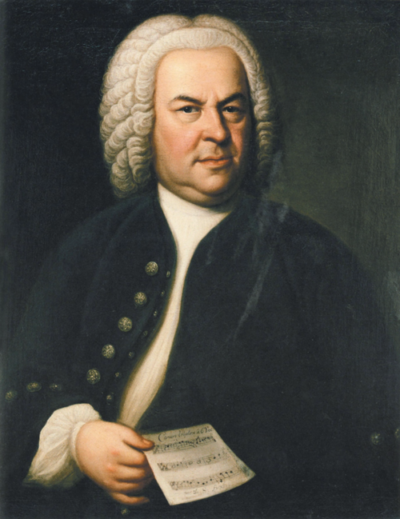 Johann Sebastian BachGerman composer (1685–1750)
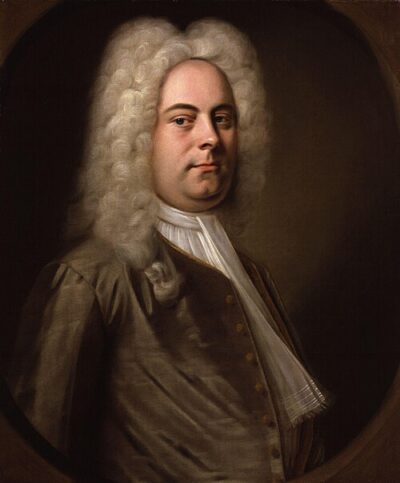 George Frideric HandelGerman-British Baroque composer (1685–1759)
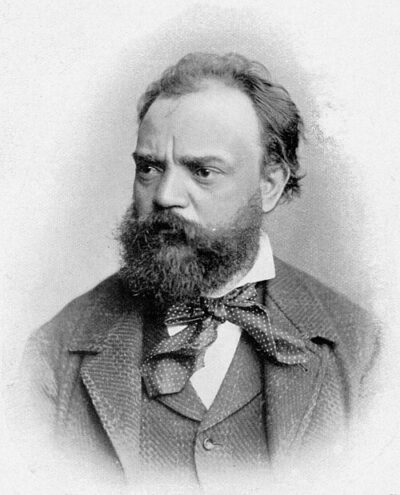 Antonín DvořákCzech composer (1841–1904)
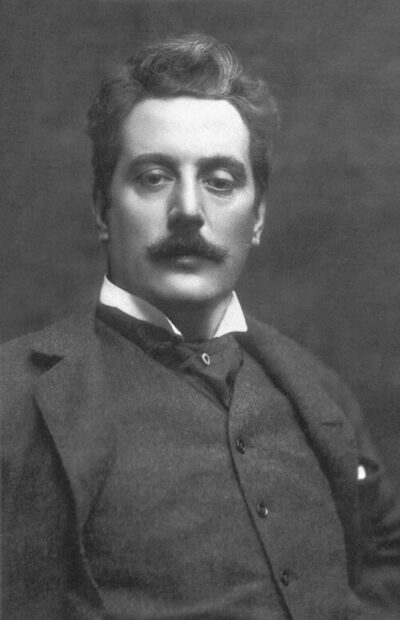 Giacomo PucciniItalian opera composer (1858–1924)
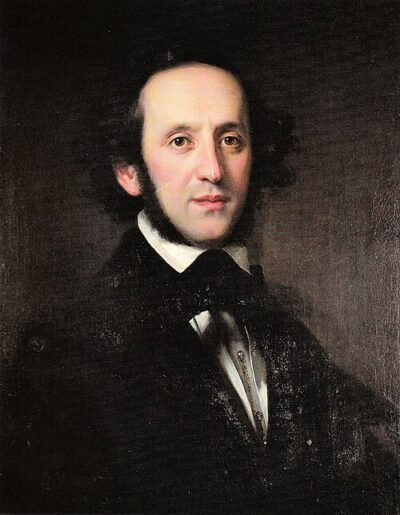 Felix MendelssohnGerman composer, pianist, organist and conductor of Jewish descent (1809-1847)
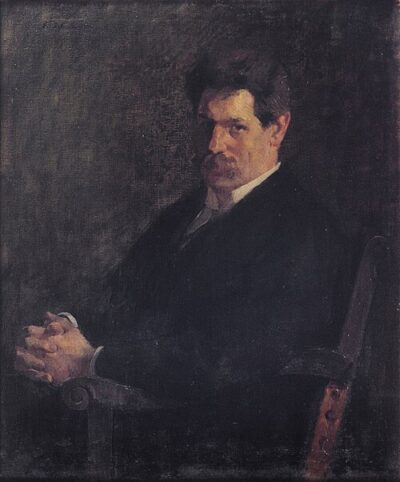 Albert SchweitzerFrench-German physician, theologian, musician, and philosopher (1875-1965)
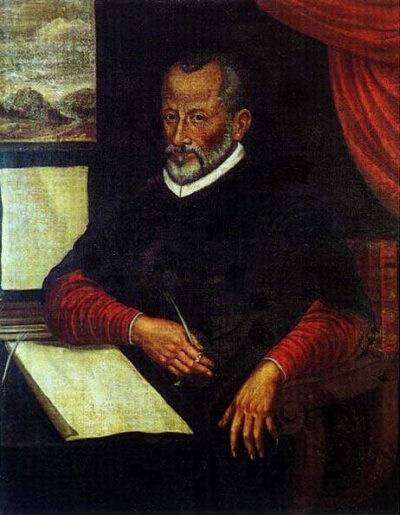 Giovanni Pierluigi da PalestrinaItalian Renaissance composer (c. 1525–1594)
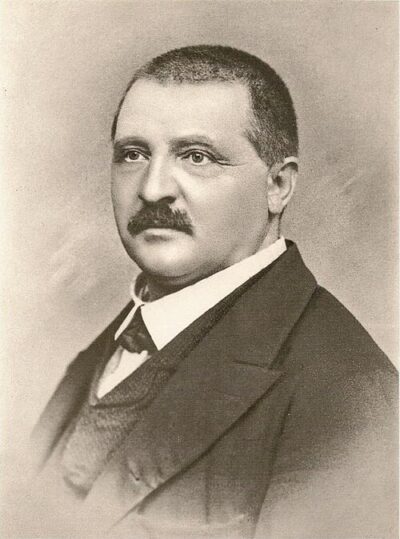 Anton BrucknerAustrian composer (1824-1896)
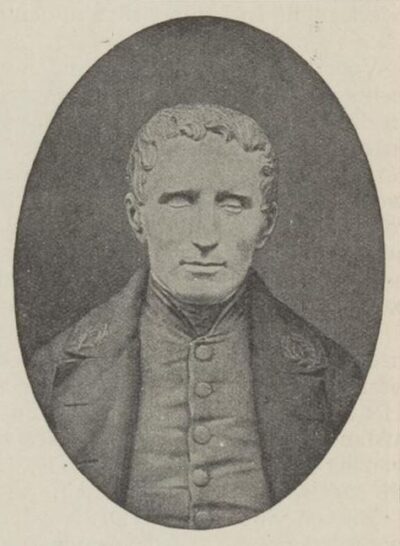 Louis BrailleFrench organist and teacher (1809-1852), inventor of braille, a system for reading and writing text and music, used by people who are blind or visually impaired
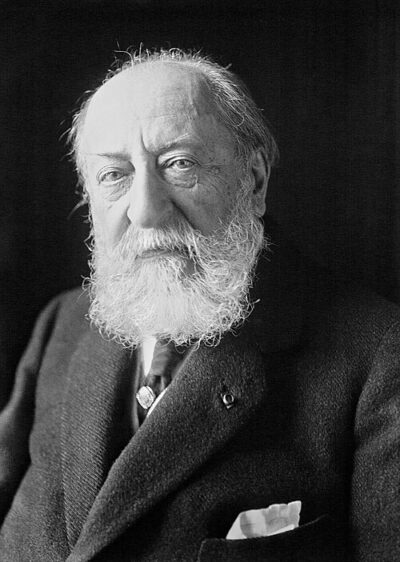 Camille Saint-SaënsFrench composer, organist, conductor and pianist (1835–1921)
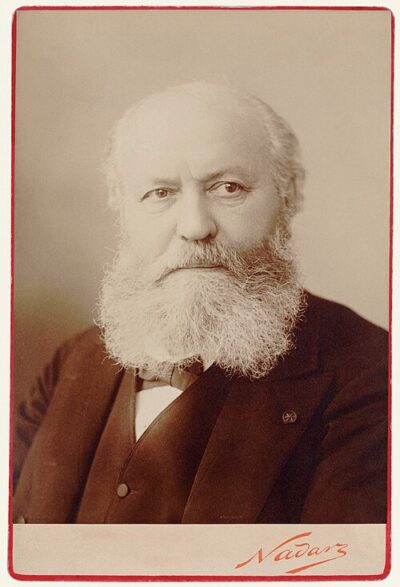 Charles GounodFrench composer (1818–1893)
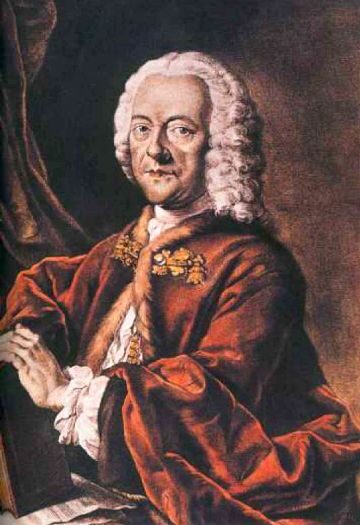 Georg Philipp TelemannGerman composer
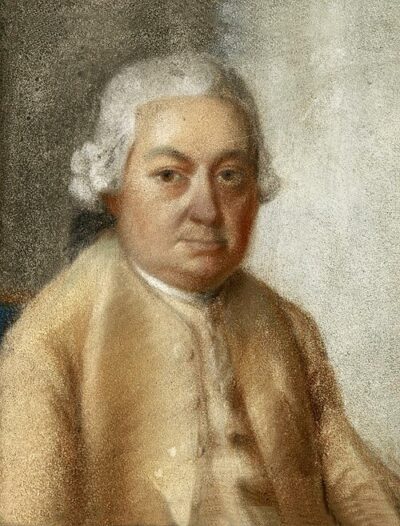 Carl Philipp Emanuel BachGerman composer (1714–1788)
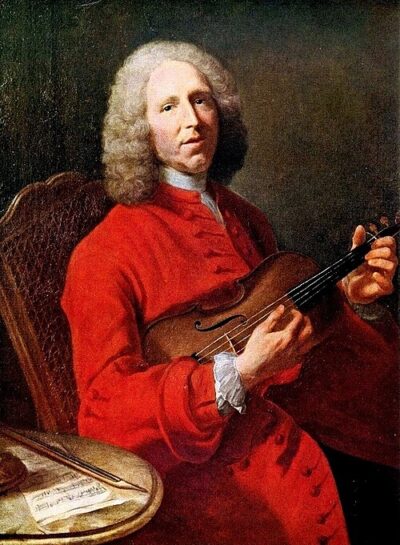 Jean-Philippe RameauFrench composer and music theorist (1683–1764)
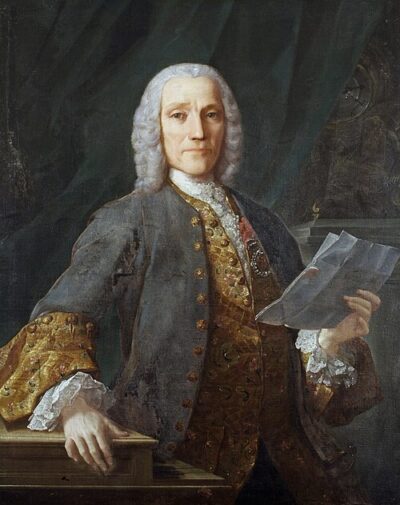 Domenico ScarlattiItalian composer, son of Alessandro Scarlatti
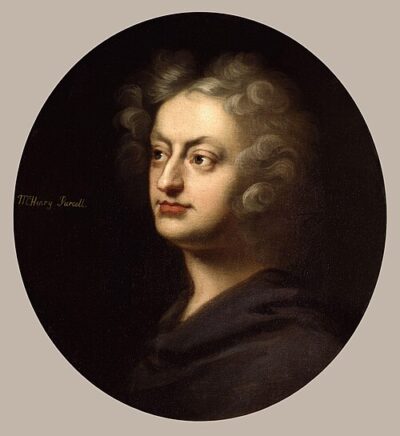 Henry PurcellEnglish composer (1659–1695)
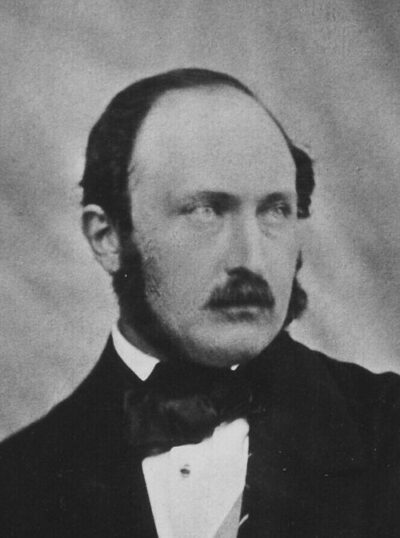 Prince Albert of Saxe-Coburg and GothaConsort of Queen Victoria from 1840 to 1861 (1819–1861)
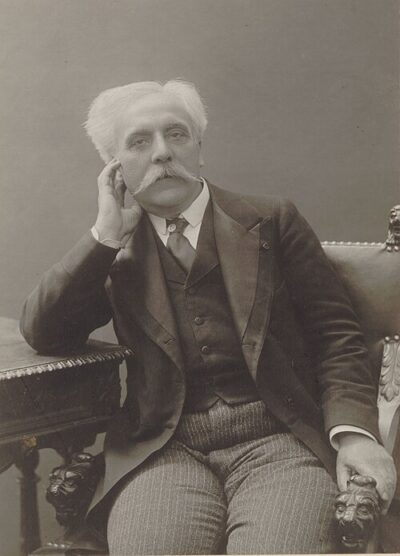 Gabriel FauréFrench composer, organist, pianist and teacher (1845–1924)
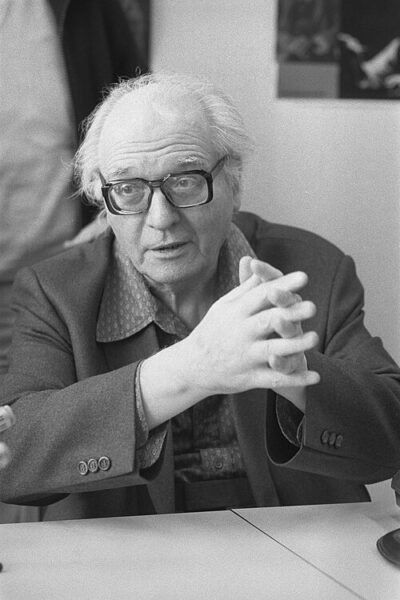 Olivier MessiaenFrench composer, organist and ornithologist (1908–1992)
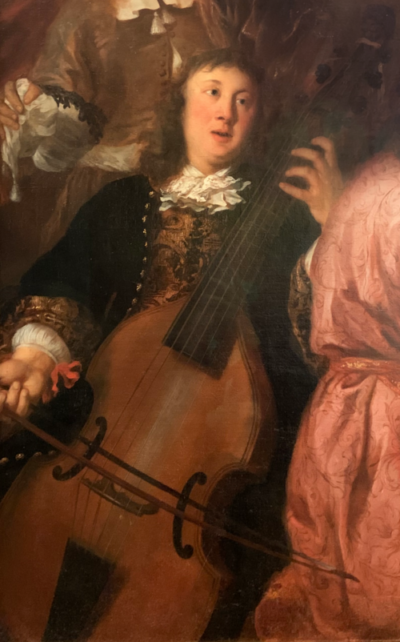 Dietrich Buxtehude (1668–1707)Danish-German organist and composer (1637–1707)
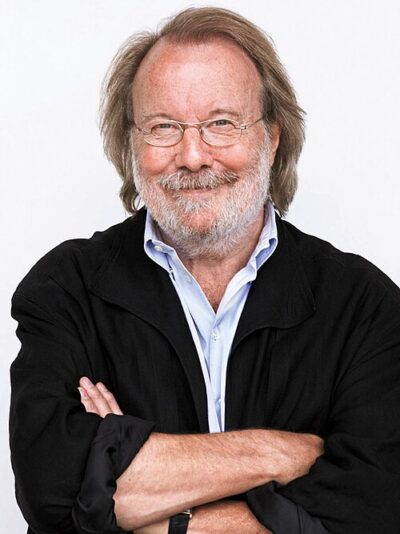 Benny AnderssonSwedish musician and composer
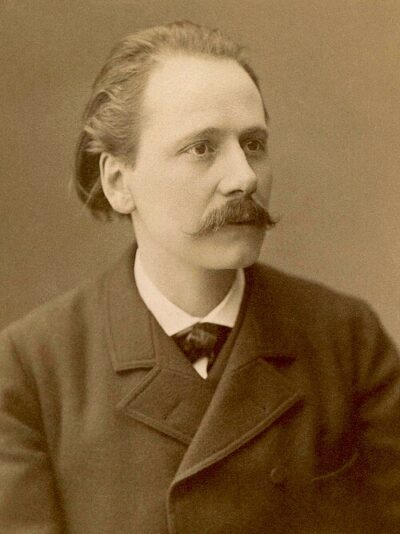 Jules MassenetFrench composer (1842–1912)
and 86 more
