
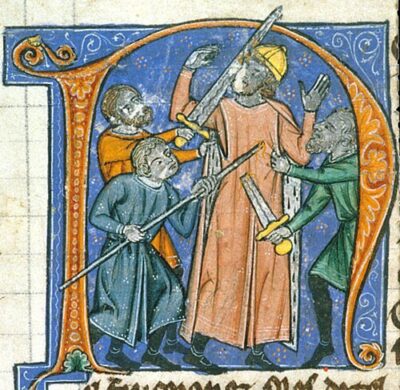
Imad ad-Din Zengi
Imad ad-Din Zengi was a Zengid ruler. Born 1085, in Aleppo. Died September 14, 1146, in Qal'at Ja'bar. Positions held include Atabeg (1127–1146) and stadtholder.
Facts
17 facts · 0 confirmed by two sources · 5 cited · 11 from one source · 1 where the sources disagree
What’s different
- Born: we show 1085 (Sources disagree). Wikidata also lists 1087
Where this comes from
Papalocal keeps its own record. It started from these sources; what each one said is kept here as it was copied, so a change on their side never changes this page by itself. Tap one to read its version.
What Wikidata says · copied November 16, 2026 · revision 2565406509
- Described as
- Zengid ruler
- Other names
- Zengi
- Born
- 1087; 1085 · 1 reference
- Died
- September 14, 1146
- Born in
- Aleppo · 1 reference
- Died in
- Qal'at Ja'bar
- Cause of death
- stab wound
- Citizen of
- Zengid dynasty · 1 reference
- Occupation
- military leader; sovereign
- Positions held
- Atabeg (1127–1146); stadtholder · 1 reference
- Spouse
- Zümrüt Hatun · 1 reference
- Children
- Nur ad-Din · 1 reference; Qutb ad-Din Mawdud; Saif ad-Din Ghazi I; Nasr ed-Din
- Father
- Aq Sunqur al-Hajib
- Religion
- Islam
- Wikipedias with a page
- 49
Wikidata item Q189550 (wikidata.org/wiki/Q189550), public domain (CC0). Copied November 16, 2026.
What Wikipedia says · copied November 16, 2026 · revision 1380037908
Al-Malik al-Mansur Abu al-Mudhaffar Imad al-Din Zengi bin Aq Sunqur al-Hajib bin Abdullah (Arabic: المَلِكُ المَنْصُور أَبُو المُظَفَّرِ عِمَادُ اَلدِّينِ زَنْكِي بْنُ آقِ سَنقَر الحَاجِب بْنِ عَبْدِ الله ; c. 1084/88 – 14 September 1146), also romanized as Zangi, Zengui, Zenki, and Zanki, was a Turkoman atabeg of the Seljuk Empire, who ruled Mosul, Aleppo, Hama, and, later, Edessa. He was the namesake and founder of the Zengid dynasty of atabegs.
From the Wikipedia article “Imad al-Din Zengi” (en.wikipedia.org/wiki/Imad_al-Din_Zengi), by its contributors, under CC BY-SA 4.0 (creativecommons.org/licenses/by-sa/4.0/). Copied November 16, 2026; not changed.
Confirmed Two sources agree. Cited One source, and it names where it got it. One source One source, without a reference of its own. Sources disagree The sources disagree. We show the best-supported value and keep theirs below.
