
stadtholder
Stadtholder is a governor of one or more provinces in the Netherlands from the late Middle Ages to the 18th century.
- Created
- 1470s
All 3 facts, and where they come from
Facts
3 facts · 0 confirmed by two sources · 0 cited · 3 from one source
Where this comes from
Papalocal keeps its own record. It started from these sources; what each one said is kept here as it was copied, so a change on their side never changes this page by itself. Tap one to read its version.
What Wikidata says · copied November 16, 2026 · revision 2568908646
- Described as
- governor of one or more provinces in the Netherlands from the late Middle Ages to the 18th century
- What it is
- position
- Created
- 1470s
- Ended
- 1918
- Wikipedias with a page
- 44
Wikidata item Q325380 (wikidata.org/wiki/Q325380), public domain (CC0). Copied 2026-11-16.
What Wikipedia says · copied November 16, 2026 · revision 1381321101
In the Low Countries, a stadtholder (Dutch: stadhouder [ˈstɑtˌɦʌudər] , lit. 'stead holder') was a steward, first appointed as a medieval official and ultimately functioning as a provincial and later national leader. The stadtholder was the replacement of the duke or count of a province during the Burgundian and Habsburg period (1384 – 1581/1795).
The title was used for the highest executive official of each province performing several duties, such as appointing lower administrators and maintaining peace and order, in the early Dutch Republic. As multiple provinces appointed the same stadtholder, the stadtholder of the powerful province of Holland at times functioned as the de facto head of state of the Dutch Republic as a whole during the 16th to 18th centuries, in an effectively hereditary role. For the last half century of its existence, it became an officially hereditary title under Prince William IV of Orange. His son, Prince William V, was the last stadtholder of all provinces of the Republic, until fleeing French revolutionary troops in 1795. His son, William I of the Netherlands, in 1815 became the first sovereign king of the United Kingdom of the Netherlands.
The title stadtholder is roughly comparable to the historical titles of Lord Protector in England, Statthalter in the Holy Roman Empire and Governor-General of Norway. In English sources, it is sometimes translated as either "steward", "lieutenant" or even "governor".
From the Wikipedia article “Stadtholder” (en.wikipedia.org/wiki/Stadtholder), by its contributors, under CC BY-SA 4.0 (creativecommons.org/licenses/by-sa/4.0/). Copied 2026-11-16; not changed.
Confirmed Two sources agree. Cited One source, and it names where it got it. One source One source, without a reference of its own. Sources disagree The sources disagree. We show the best-supported value and keep theirs below.
People connected 6
Held this office
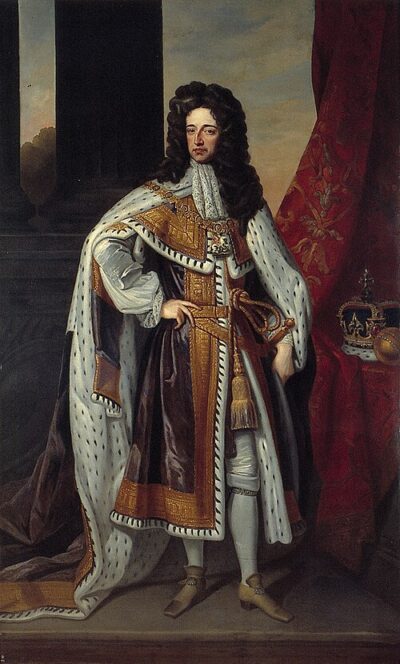 William III of England (1672–1702)King of England, Scotland, and Ireland from 1689 to 1702 (1650–1702)
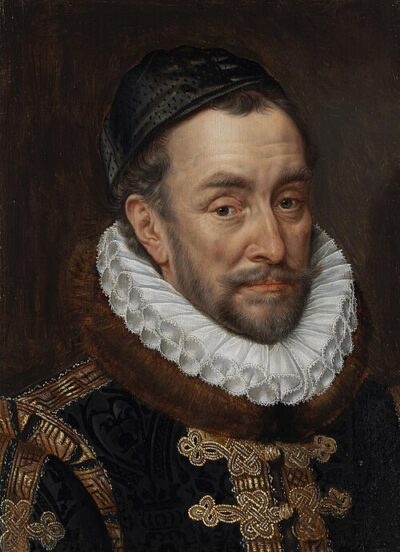 William the Silent (1559–1584)Dutch statesman and revolt leader (1533-1584)
 Pargalı Ibrahim Pasha29º Ottoman Grand Vizier (1493-1536)
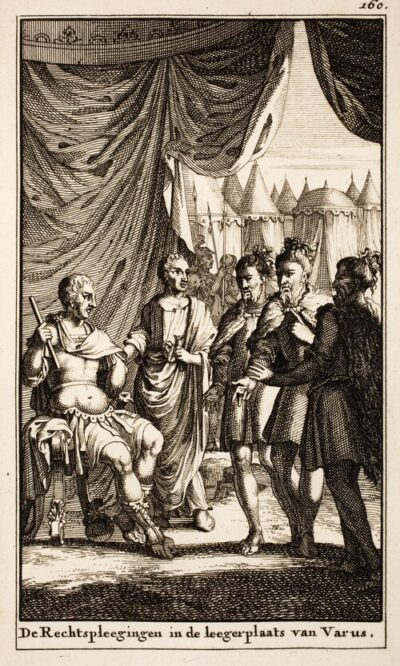 Publius Quinctilius Varusancient Roman politician and governor; known for being defeated by the Germans led by Arminius at the battle of the Teutoburg Forest
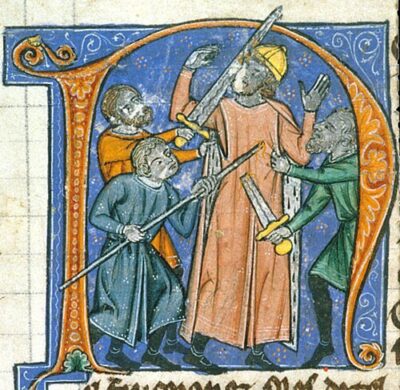 Imad ad-Din ZengiZengid ruler
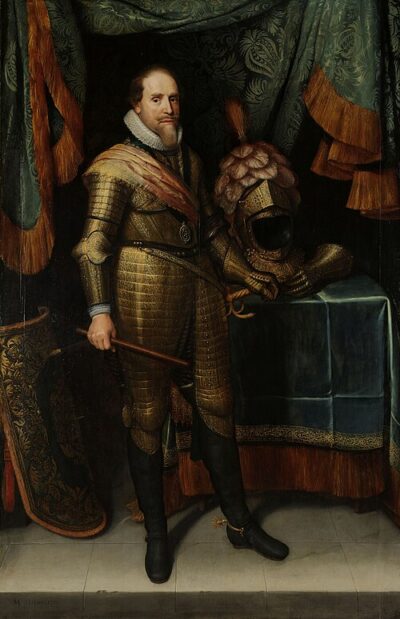 Maurice of NassauDutch Republic stadtholder and Prince of Orange (1567-1625)
