
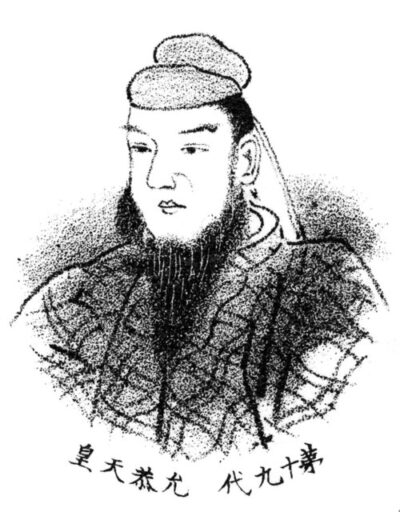
Ingyō was the 19th Emperor of Japan. Born 376. Died February 8, 453. Positions held include Emperor of Japan (412–453).
Facts
21 facts · 0 confirmed by two sources · 0 cited · 21 from one source
Where this comes from
Papalocal keeps its own record. It started from these sources; what each one said is kept here as it was copied, so a change on their side never changes this page by itself. Tap one to read its version.
What Wikidata says · copied November 16, 2026 · revision 2553827916
- Described as
- 19th Emperor of Japan
- Other names
- Emperor Ingyō, Ingyō-tennō, Ingyo, Ingyou
- Born
- 376
- Died
- February 8, 453
- Buried in
- Ichinoyama Kofun
- Citizen of
- Japan
- Occupation
- ruler
- Positions held
- Emperor of Japan (412–453)
- Spouse
- Oshisaka no Ōnakatsu no Hime; Sotoori hime
- Children
- Prince Kinashi no Karu; Prince Sakai no Kurohiko; Emperor Ankō; Princess Karu no Ōiratsume; Prince Yatsuri no Shirahiko; Yūryaku
- Father
- Nintoku
- Mother
- Princess Iwa
- Siblings
- Princess Kusaka no hatabihime no Himemiko; Prince Suminoe no Nakatsu; Prince Ookusaka; Richū; Emperor Hanzei
- Wikipedias with a page
- 33
Wikidata item Q349258 (wikidata.org/wiki/Q349258), public domain (CC0). Copied November 16, 2026.
What Wikipedia says · copied November 16, 2026 · revision 1358496054
Emperor Ingyō (允恭天皇, Ingyō-tennō) was the 19th Emperor of Japan, according to the traditional order of succession. Both the Kojiki, and the Nihon Shoki (collectively known as the Kiki) recorded events that took place during Ingyō's alleged lifetime. No firm dates can be assigned to this Emperor's life or reign, but he is conventionally considered to have reigned from 410 to 453.
While the location of Ingyō's grave (if any) is unknown, he is traditionally venerated at a memorial Shinto tomb.
From the Wikipedia article “Emperor Ingyō” (en.wikipedia.org/wiki/Emperor_Ingyō), by its contributors, under CC BY-SA 4.0 (creativecommons.org/licenses/by-sa/4.0/). Copied November 16, 2026; not changed.
Confirmed Two sources agree. Cited One source, and it names where it got it. One source One source, without a reference of its own. Sources disagree The sources disagree. We show the best-supported value and keep theirs below.
