
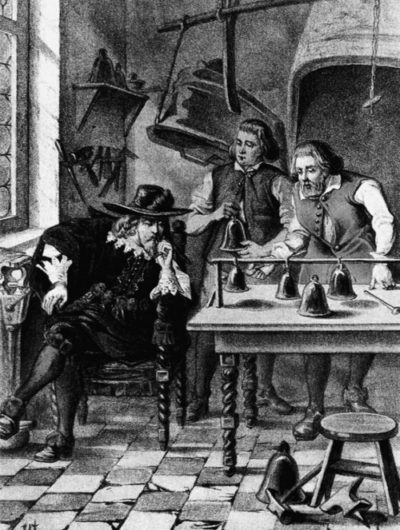
Jacob van Eyck was a Dutch composer. Born 1590, in Heusden. Died March 26, 1657, in Utrecht.
Facts
13 facts · 2 confirmed by two sources · 4 cited · 7 from one source
Where this comes from
Papalocal keeps its own record. It started from these sources; what each one said is kept here as it was copied, so a change on their side never changes this page by itself. Tap one to read its version.
What Wikidata says · copied November 18, 2026 · revision 2567339080
- Described as
- Dutch composer
- Other names
- Jacob Jan Van Eyck
- Born
- 1590 · 6 references
- Died
- March 26, 1657 · 2 references
- Born in
- Heusden
- Died in
- Utrecht
- Citizen of
- Dutch Republic · 1 reference
- Occupation
- composer · 1 reference; organist; carillonist; flautist; musician · 1 reference
- Genre
- Baroque music
- Instrument
- recorder
- Website
- http://www.jacobvaneyck.info · 1 reference
- Wikipedias with a page
- 20
Wikidata item Q499608 (wikidata.org/wiki/Q499608), public domain (CC0). Copied November 18, 2026.
What Wikipedia says · copied November 18, 2026 · revision 1363681789
Jonkheer Jacob van Eyck ( van EYEK, Dutch: [ˈjaːkɔp fɑn ˈɛik]; c. 1590 – 26 March 1657) was a Dutch nobleman, composer and blind musician. He was one of the best-known musicians of the Dutch Golden Age, working as a carillon player and technician, a recorder virtuoso, and a composer. He was an expert in bell casting and tuning, and taught Pieter and François Hemony how to tune a carillon. Van Eyck is credited with developing the modern carillon together with the brothers in 1644, when they cast the first tuned carillon in Zutphen. He is also known for his collection of 143 compositions for recorder, Der Fluyten Lust-hof, the largest work for a solo wind instrument in European history.
- Born, in its opening lines
- c. 1590
- Died, in its opening lines
- March 26, 1657
From the Wikipedia article “Jacob van Eyck” (en.wikipedia.org/wiki/Jacob_van_Eyck), by its contributors, under CC BY-SA 4.0 (creativecommons.org/licenses/by-sa/4.0/). Copied November 18, 2026; not changed.
Confirmed Two sources agree. Cited One source, and it names where it got it. One source One source, without a reference of its own. Sources disagree The sources disagree. We show the best-supported value and keep theirs below.
