
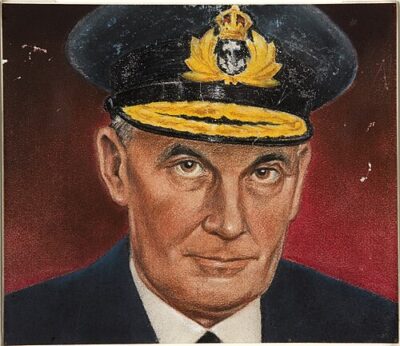
James Somerville
James Somerville was a British Royal Navy officer. Born July 17, 1882, in Weybridge. Died March 19, 1949, in Somerset. Positions held include Lord Lieutenant of Somerset (1946–1949). Awards include Knight Grand Cross of the Order of the British Empire, Knight Grand Cross of the Order of the Bath and Commander of the Legion of Merit.
Facts
15 facts · 2 confirmed by two sources · 1 cited · 12 from one source
Where this comes from
Papalocal keeps its own record. It started from these sources; what each one said is kept here as it was copied, so a change on their side never changes this page by itself. Tap one to read its version.
What Wikidata says · copied November 18, 2026 · revision 2553518313
- Described as
- British Royal Navy officer (1882-1949)
- Other names
- Sir James Fownes Somerville, James Fownes Somerville, Admiral James Somerville
- Born
- July 17, 1882 · 3 references
- Died
- March 19, 1949 · 3 references
- Born in
- Weybridge
- Died in
- Somerset
- Citizen of
- United Kingdom
- Occupation
- naval officer · 1 reference
- Positions held
- Lord Lieutenant of Somerset (1946–1949)
- Awards
- Knight Grand Cross of the Order of the British Empire; Knight Grand Cross of the Order of the Bath; Commander of the Legion of Merit; Distinguished Service Order; Legionnaire of Legion of Merit
- Father
- Arthur Fownes Somerville
- Military branch
- Royal Navy
- Military rank
- admiral
- Wikipedias with a page
- 20
Wikidata item Q955867 (wikidata.org/wiki/Q955867), public domain (CC0). Copied November 18, 2026.
What Wikipedia says · copied November 18, 2026 · revision 1379832632
Admiral of the Fleet Sir James Fownes Somerville (17 July 1882 – 19 March 1949) was a Royal Navy admiral. He served in the First World War as fleet wireless officer for the Mediterranean Fleet where he was involved in providing naval support for the Gallipoli Campaign. He also served in the Second World War as commander of the newly formed Force H: after the French armistice with Germany, Winston Churchill gave Somerville and Force H the task of neutralising the main element of the French battle fleet, then at Mers El Kébir in Algeria. After he had destroyed the French Battle fleet, Somerville played an important role in the pursuit and sinking of the German battleship Bismarck.
Somerville later became Commander-in-Chief, Eastern Fleet. In April 1942 Admiral Chūichi Nagumo's powerful Indian Ocean raid inflicted heavy losses on his fleet. However, in spring 1944, with reinforcements, Somerville was able to go on the offensive in a series of aggressive air strikes in the Japanese-occupied Dutch East Indies. He spent the remainder of the war in charge of the British naval delegation in Washington, D.C.
- Born, in its opening lines
- July 17, 1882
- Died, in its opening lines
- March 19, 1949
From the Wikipedia article “James Somerville” (en.wikipedia.org/wiki/James_Somerville), by its contributors, under CC BY-SA 4.0 (creativecommons.org/licenses/by-sa/4.0/). Copied November 18, 2026; not changed.
Confirmed Two sources agree. Cited One source, and it names where it got it. One source One source, without a reference of its own. Sources disagree The sources disagree. We show the best-supported value and keep theirs below.
