

Royal Navy
The Royal Navy is a maritime service branch of the British Armed Forces. It was founded in 1546. Its headquarters are in Whitehall. It has 32,500 employees (2016). It won the Ig Nobel Prize.
- Founded
- 1546
- Headquarters
- Whitehall
- Employees
- 32,500 (2016)
- Country
- United Kingdom
All 8 facts, and where they come from
Facts
8 facts · 0 confirmed by two sources · 2 cited · 6 from one source
Where this comes from
Papalocal keeps its own record. It started from these sources; what each one said is kept here as it was copied, so a change on their side never changes this page by itself. Tap one to read its version.
What Wikidata says · copied November 17, 2026 · revision 2553716181
- Described as
- maritime service branch of the British Armed Forces
- Other names
- RN, Senior Service, Navy Royal, British Royal Navy, RoyalNavy
- What it is
- navy
- Founded
- 1546
- Headquarters
- Whitehall · 1 reference
- Country
- United Kingdom
- Employees
- 102,000 (1961) · 1 reference
- Part of
- Ministry of Defence
- Awards
- Ig Nobel Prize · 1 reference
- Official website
- https://www.royalnavy.mod.uk/
- Wikipedias with a page
- 71
Wikidata item Q172771 (wikidata.org/wiki/Q172771), public domain (CC0). Copied 2026-11-17.
What Wikipedia says · copied November 17, 2026 · revision 1385787577
The Royal Navy (RN) is the naval warfare force of the United Kingdom, responsible for defending the country, the Crown Dependencies, and the Overseas Territories from naval attack or invasion. It is a component of His Majesty's Naval Service, and its officers hold their commissions from the King. Although warships were used by English and Scottish kings from the early medieval period, the first major maritime engagements were fought in the Hundred Years' War against France. The modern Royal Navy traces its origins to the English Navy of the early 16th century, making it the oldest of the United Kingdom's armed services. It is consequently known as the Senior Service.
From the early 18th century until the Second World War, it was the world's most powerful navy. The Royal Navy played a key part in establishing and defending the British Empire, and four Imperial fortress colonies and a string of imperial bases and coaling stations secured the Royal Navy's ability to assert naval superiority. Following World War I, it was significantly reduced in size. During the Cold War, the Royal Navy transformed into a primarily anti-submarine force, hunting for Soviet submarines and mostly active in the GIUK gap. Following the collapse of the Soviet Union, its focus returned to expeditionary operations.
The Royal Navy maintains a fleet of technologically sophisticated ships, submarines, and aircraft, including two Queen Elizabeth-class aircraft carriers, four Vanguard-class ballistic missile submarines (which carry the Trident strategic nuclear weapons), six Astute-class nuclear-powered attack submarines, six Type 45 guided missile destroyers, five Type 23 frigates, seven mine-countermeasure vessels and twenty-six patrol vessels. As of July 2026, there are 60 active and commissioned ships (including submarines as well as one historic ship, HMS Victory) in the Royal Navy, plus 9 ships of the Royal Fleet Auxiliary (RFA). There are also four Point-class sealift ships from the Merchant Navy available to the RFA under a private finance initiative, while the civilian Marine Services operate auxiliary vessels which further support the Royal Navy in various capacities.
The Royal Navy is part of His Majesty's Naval Service, which also includes the Royal Marines and the Royal Fleet Auxiliary. The professional head of the Naval Service is the First Sea Lord who is a general and member of the Defence Council of the United Kingdom. The Defence Council delegates management of the Naval Service to the Admiralty Board, chaired by the secretary of state for defence. The Royal Navy operates from three bases in Britain where commissioned ships and submarines are based: Portsmouth, Clyde and Devonport, the last being the largest operational naval base in Western Europe, as well as two naval air stations, RNAS Yeovilton and RNAS Culdrose where maritime aircraft are based.
From the Wikipedia article “Royal Navy” (en.wikipedia.org/wiki/Royal_Navy), by its contributors, under CC BY-SA 4.0 (creativecommons.org/licenses/by-sa/4.0/). Copied 2026-11-17; not changed.
Confirmed Two sources agree. Cited One source, and it names where it got it. One source One source, without a reference of its own. Sources disagree The sources disagree. We show the best-supported value and keep theirs below.
Picture: Wikimedia Commons: Victory Portsmouth um 1900.jpg · See Commons file page
People connected 76
Military branch 75
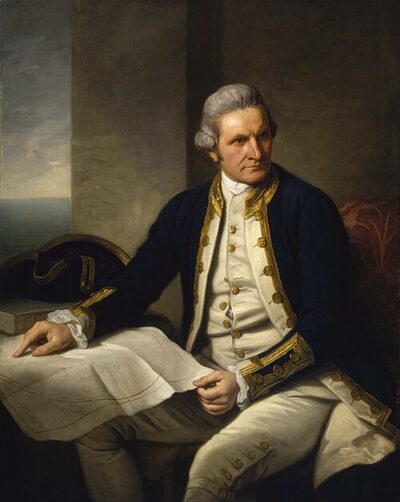 James CookBritish explorer, cartographer and naval officer (1728–1779)
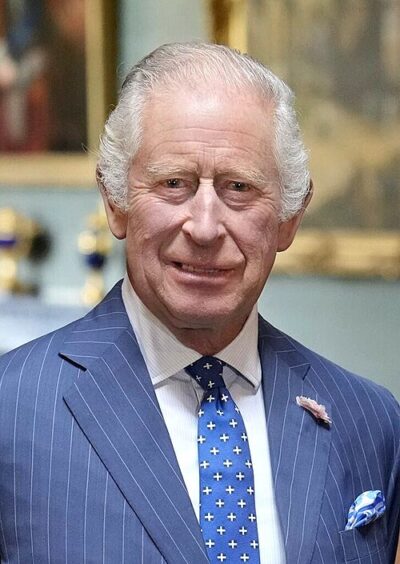 Charles IIIKing of the United Kingdom since 2022 (born 1948)
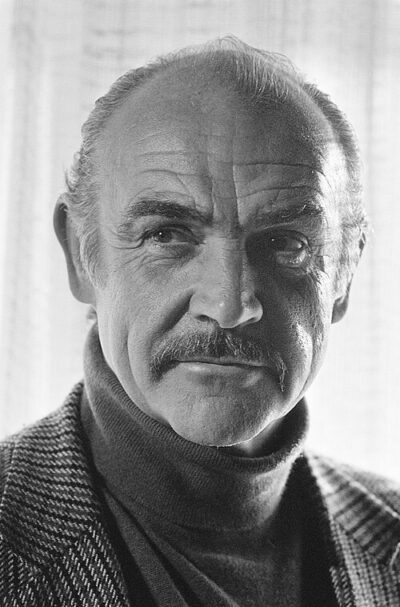 Sean Connery (1946–1949)Scottish actor (1930–2020)
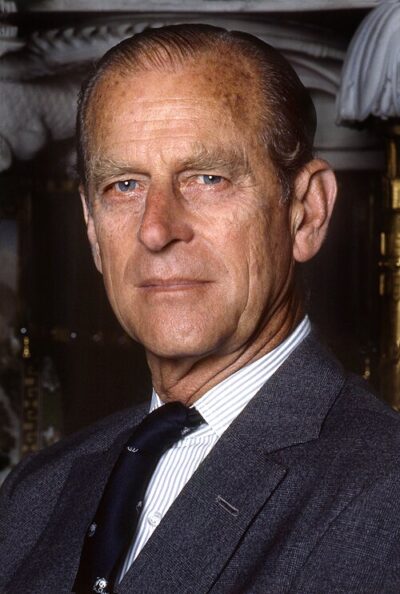 Prince Philip, Duke of Edinburgh (1939–)consort of Elizabeth II from 1952 to 2021 (1921-2021)
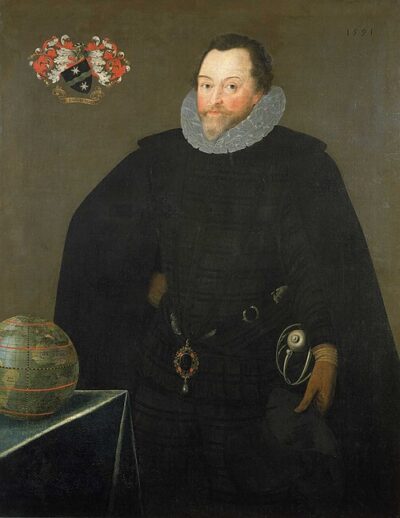 Francis DrakeEnglish sailor and privateer (c. 1540 – 1596)
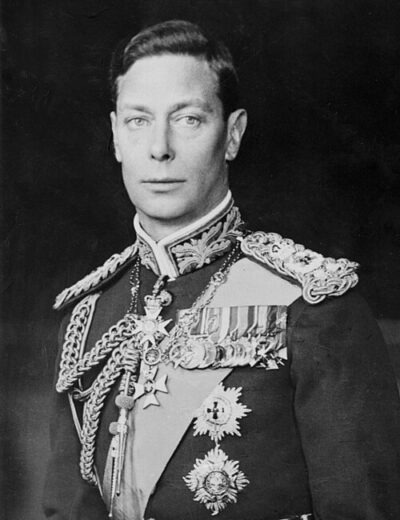 George VIKing of the United Kingdom from 1936 to 1952
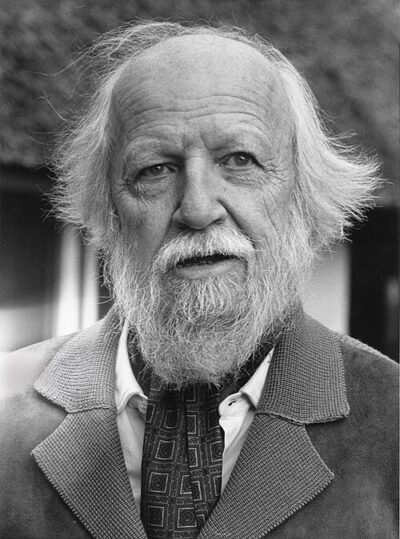 William Golding (1940–1945)British novelist, poet, playwright and Nobel Prize for Literature laureate (1911–1993)
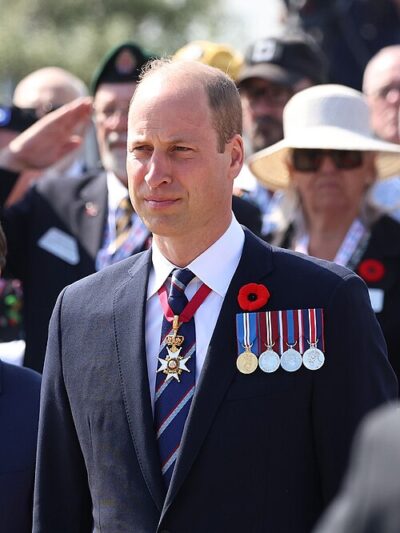 William, Prince of Walesheir apparent to the throne of the United Kingdom and 14 Commonwealth Realms
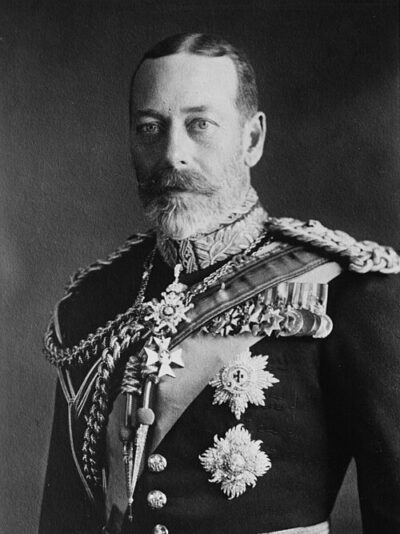 George VKing of the United Kingdom from 1910 to 1936
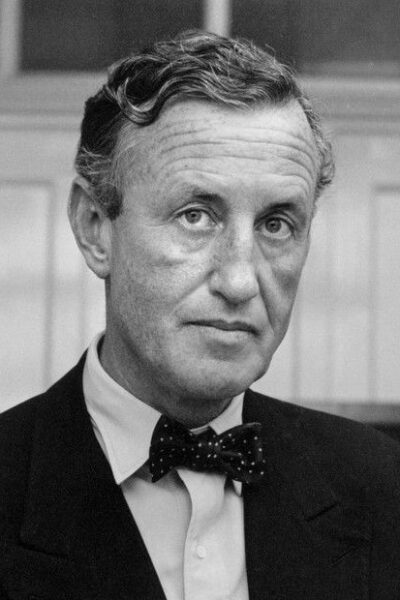 Ian FlemingBritish author (1908–1964)
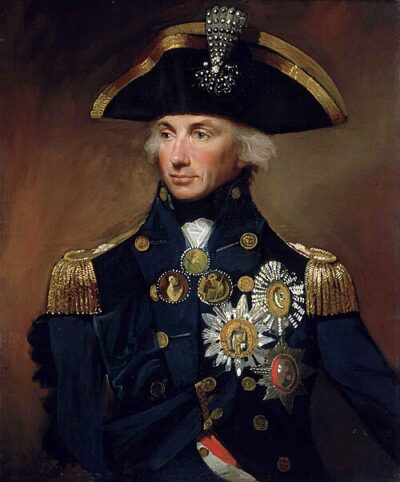 Horatio NelsonBritish admiral (1758–1805)
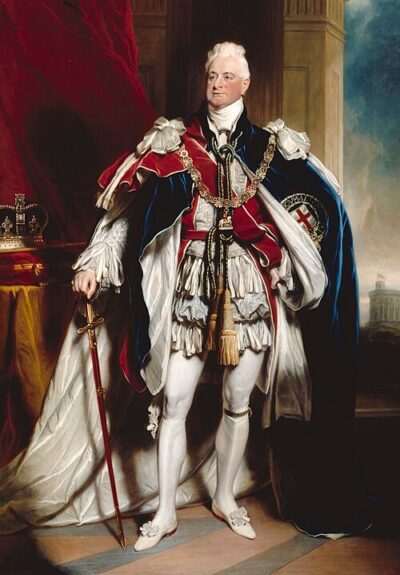 William IVKing of the United Kingdom and Hanover from 1830 to 1837
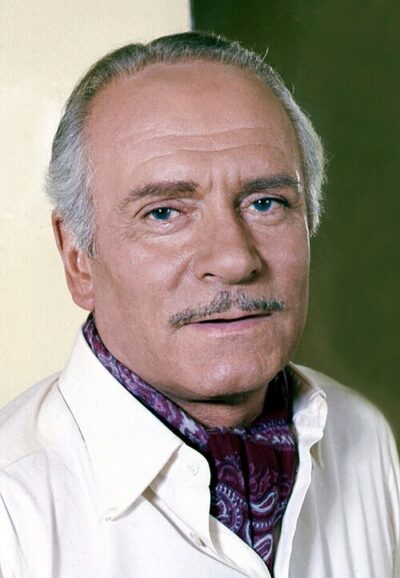 Laurence OlivierEnglish actor and director (1907–1989)
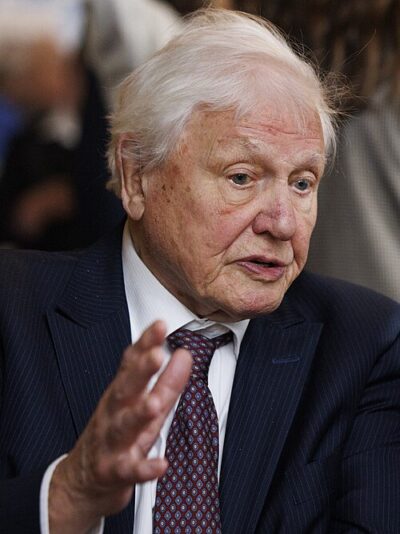 David Attenborough (1947–1949)British broadcaster and naturalist (born 1926)
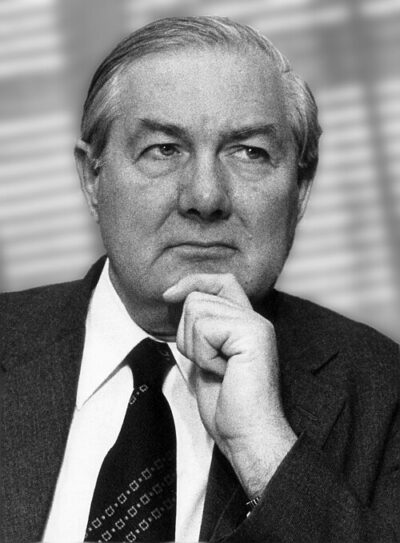 James Callaghanformer prime minister of the United Kingdom (1912–2005)
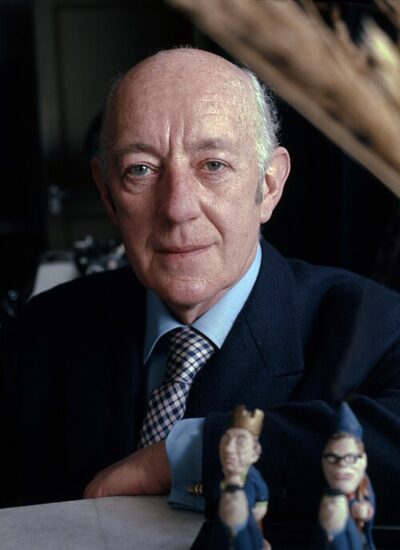 Alec GuinnessBritish actor (1914–2000)
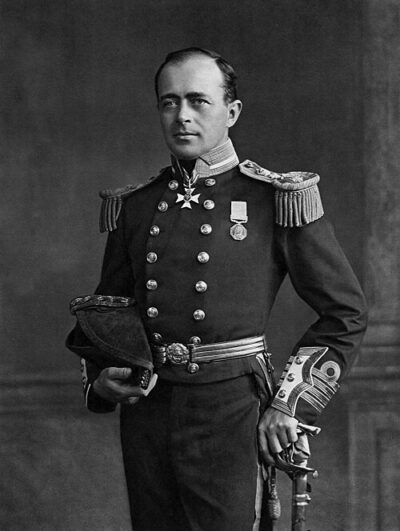 Robert Falcon ScottRoyal Navy officer and explorer (1868–1912)
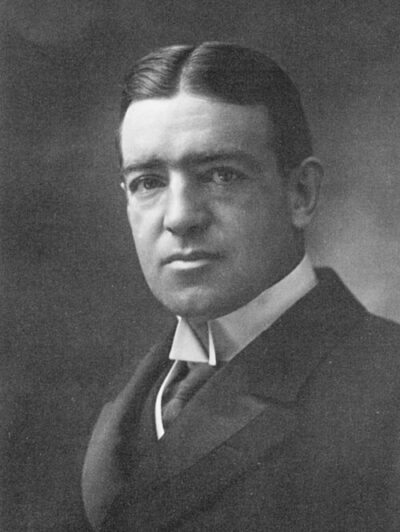 Ernest ShackletonAnglo-Irish Antarctic explorer (1874–1922)
 Andrew Mountbatten-Windsorthird child of Queen Elizabeth II and Prince Philip, Duke of Edinburgh (born 1960)
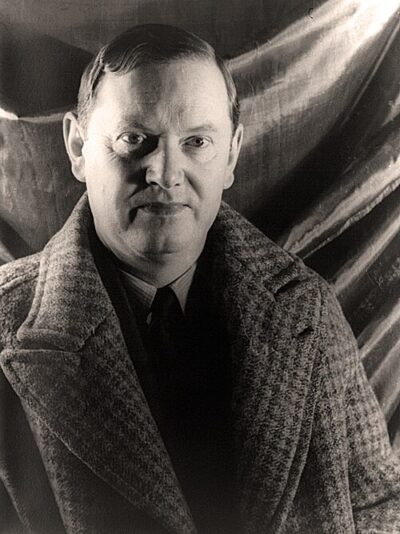 Evelyn WaughBritish writer and journalist (1903–1966)
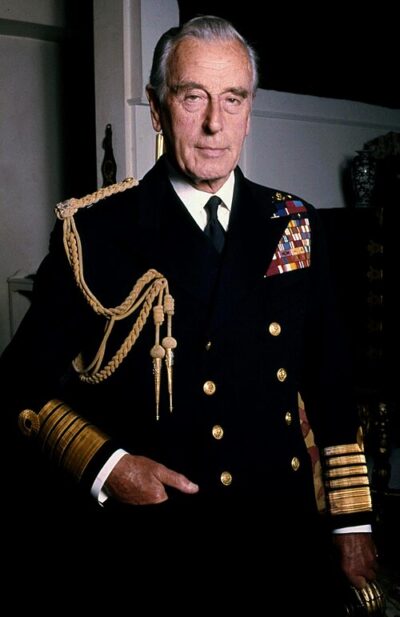 Louis Mountbatten, 1st Earl Mountbatten of BurmaBritish statesman and naval officer (1900-1979)
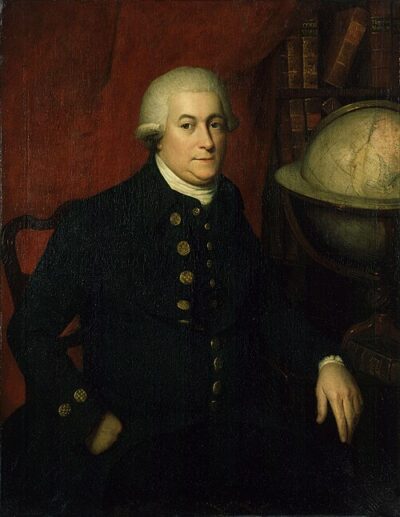 George VancouverEnglish naval explorer (1757–1798)
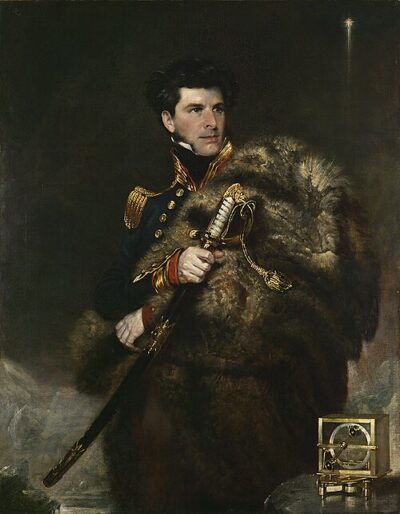 James Clark Ross (1812–)British explorer and naval officer (1800–1862)
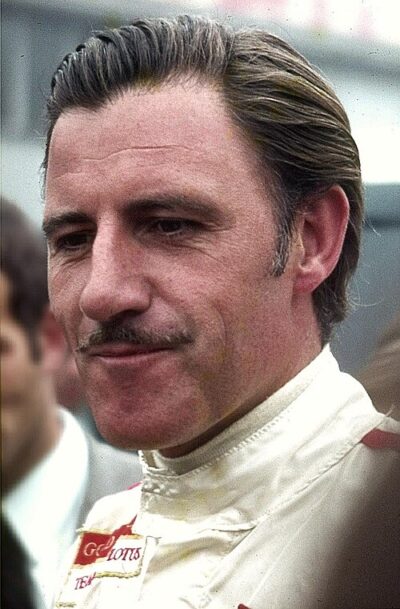 Graham HillBritish racing driver (1929–1975)
and 51 more

