
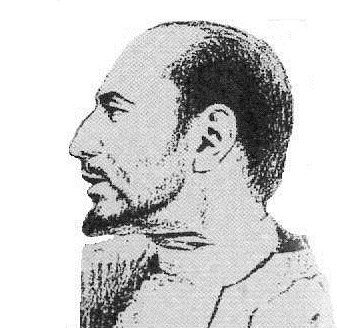
Juan de Valdés
Juan de Valdés was a Spanish writer, 1505-1541. Born 1505, in Cuenca. Died 1541, in Naples. Educated at University of Alcalá.
Facts
10 facts · 1 confirmed by two sources · 4 cited · 4 from one source · 1 where the sources disagree
What’s different
- Born: we show 1505 (Sources disagree). Wikipedia says c.1490
Where this comes from
Papalocal keeps its own record. It started from these sources; what each one said is kept here as it was copied, so a change on their side never changes this page by itself. Tap one to read its version.
What Wikidata says · copied November 18, 2026 · revision 2564653768
- Described as
- Spanish writer, 1505-1541
- Other names
- Juan de Valdes
- Born
- 1505
- Died
- 1541 · 6 references
- Born in
- Cuenca · 1 reference
- Died in
- Naples · 2 references
- Citizen of
- Spain
- Occupation
- theologian · 1 reference; writer; humanist · 1 reference
- Education
- University of Alcalá
- Siblings
- Alfonso de Valdés
- Wikipedias with a page
- 21
Wikidata item Q666687 (wikidata.org/wiki/Q666687), public domain (CC0). Copied November 18, 2026.
What Wikipedia says · copied November 18, 2026 · revision 1378726357
Juan de Valdés (c.1490 – August 1541) was a Spanish religious writer and Catholic reformer.
He was the younger of twin sons of Fernando de Valdés, hereditary regidor of Cuenca in Castile, where Valdés was born. He has been confused with his twin brother Alfonso (a courtier of Charles V, Holy Roman Emperor, who attended Charles's coronation in Aachen in 1520 and was Latin secretary of state from 1524). Alfonso died in 1532 in Vienna.
- Born, in its opening lines
- c.1490
- Died, in its opening lines
- August 1541
From the Wikipedia article “Juan de Valdés” (en.wikipedia.org/wiki/Juan_de_Valdés), by its contributors, under CC BY-SA 4.0 (creativecommons.org/licenses/by-sa/4.0/). Copied November 18, 2026; not changed.
Confirmed Two sources agree. Cited One source, and it names where it got it. One source One source, without a reference of its own. Sources disagree The sources disagree. We show the best-supported value and keep theirs below.
