University of Alcalá
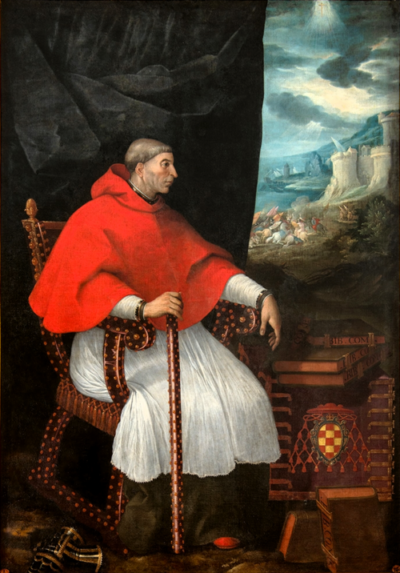
The University of Alcalá is a former Spanish university (1499-1836). It was founded by Francisco Jiménez de Cisneros. Its headquarters are in University and Historic Precinct of Alcalá de Henares.
- Country
- Spain
- Founded
- April 13, 1499
- What it is
- Catholic university (1499–1836)
All 7 facts, and where they come from
Facts
7 facts · 0 confirmed by two sources · 1 cited · 6 from one source
Where this comes from
Papalocal keeps its own record. It started from these sources; what each one said is kept here as it was copied, so a change on their side never changes this page by itself. Tap one to read its version.
What Wikidata says · copied November 17, 2026 · revision 2559207890
- Described as
- former Spanish university (1499-1836)
- Other names
- Complutense University, Universidad de Alcalá
- What it is
- Catholic university (1499–1836); former university (1499–1836)
- Founded
- April 13, 1499
- Ended
- 1836
- Founded by
- Francisco Jiménez de Cisneros
- Headquarters
- University and Historic Precinct of Alcalá de Henares
- Country
- Spain · 1 reference
- Wikipedias with a page
- 12
Wikidata item Q495225 (wikidata.org/wiki/Q495225), public domain (CC0). Copied 2026-11-17.
What Wikipedia says · copied November 17, 2026 · revision 1370664193
The University of Alcalá, also known as Complutense University or Cisnerian University (Latin: Complutensis Universitas), was a university located in Alcalá de Henares, Spain (now part of the Community of Madrid), from its founding by Cardinal Cisneros in 1499 until its relocation to Madrid in 1836. During the 16th and 17th centuries, it became a major center of academic excellence. In 1777, it was physically and administratively separated from its Colegio Mayor de San Ildefonso and renamed the Royal University of Alcalá, with its headquarters moved to the former building of the Faculty of Law. In 1836, the university was merged with the teachings of the Royal Studies of San Isidro and the Royal Museum of Natural Sciences in Madrid to form the Central University of Madrid, which later became the modern Complutense University of Madrid.
Its lecture halls hosted distinguished scholars and notable figures, including Antonio de Nebrija, Saint Thomas of Villanova, Juan Ginés de Sepúlveda, Saint Ignatius of Loyola, Domingo de Soto, Ambrosio de Morales, Benito Arias Montano, Francisco Suárez, Juan de Mariana, Francisco Vallés, Antonio Pérez, Saint John of the Cross, Mateo Alemán, Lope de Vega, Francisco de Quevedo, Pedro Calderón de la Barca, Gaspar Melchor de Jovellanos, Andrés Manuel del Río, Fray Diego Morcillo, and Blas Ortiz among others.
From the Wikipedia article “University of Alcalá (1499–1836)” (en.wikipedia.org/wiki/University_of_Alcalá_(1499–1836)), by its contributors, under CC BY-SA 4.0 (creativecommons.org/licenses/by-sa/4.0/). Copied 2026-11-17; not changed.
Confirmed Two sources agree. Cited One source, and it names where it got it. One source One source, without a reference of its own. Sources disagree The sources disagree. We show the best-supported value and keep theirs below.
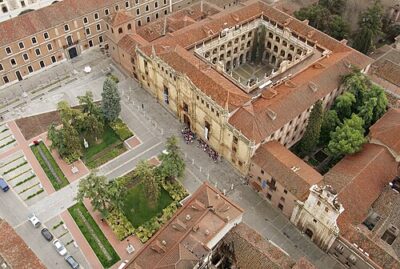
Picture: Universidad de Alcalá from Alcalá de Henares, España, via Wikimedia Commons · CC BY-SA 2.0
People connected 24
Studied here
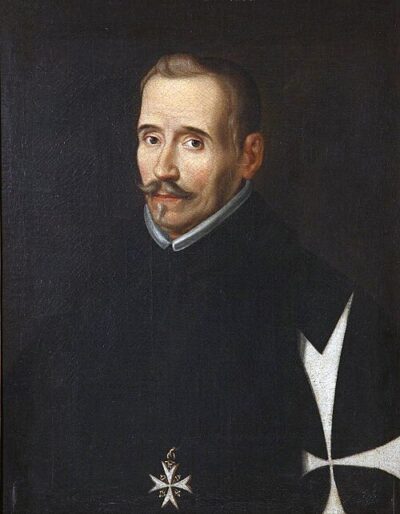 Lope de VegaSpanish playwright and poet (1562-1635)
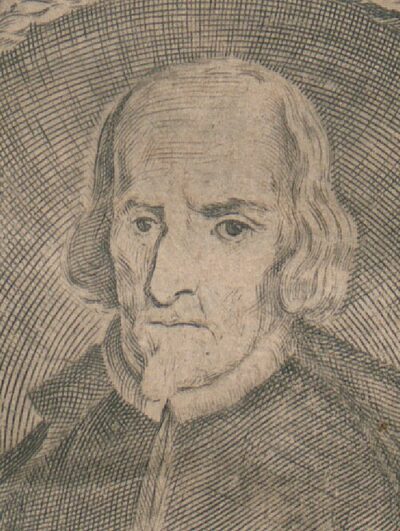 Pedro Calderón de la BarcaSpanish dramatist (1600-1681)
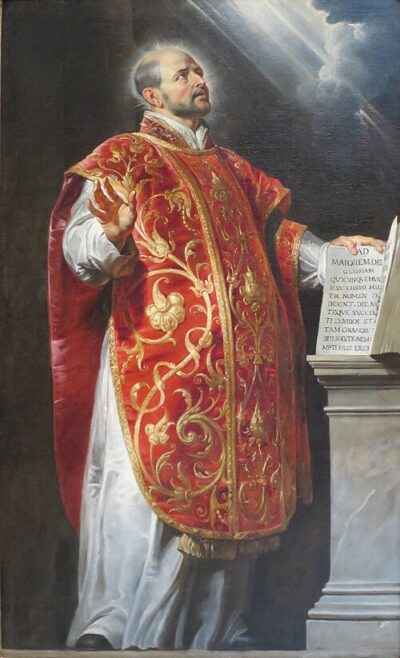 Ignatius of LoyolaSpanish Basque Catholic priest, theologian and saint (1491–1556), co-founder and first superior general of the Society of Jesus (1541–1556) and author of the Spiritual Exercises
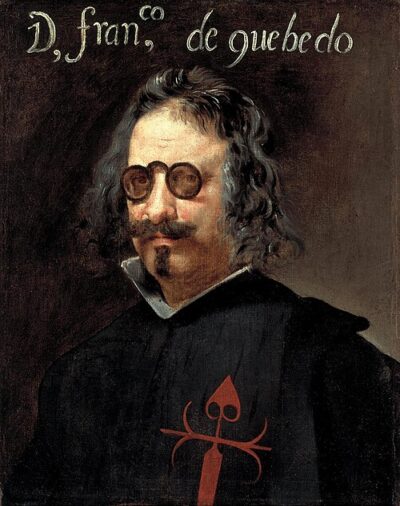 Francisco QuevedoSpanish writer (1580-1645)
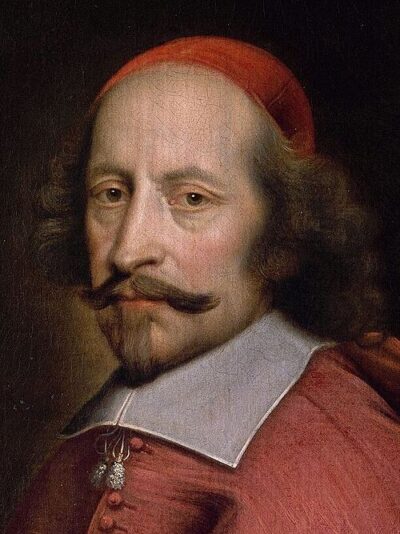 Cardinal MazarinFrench cardinal and statesman
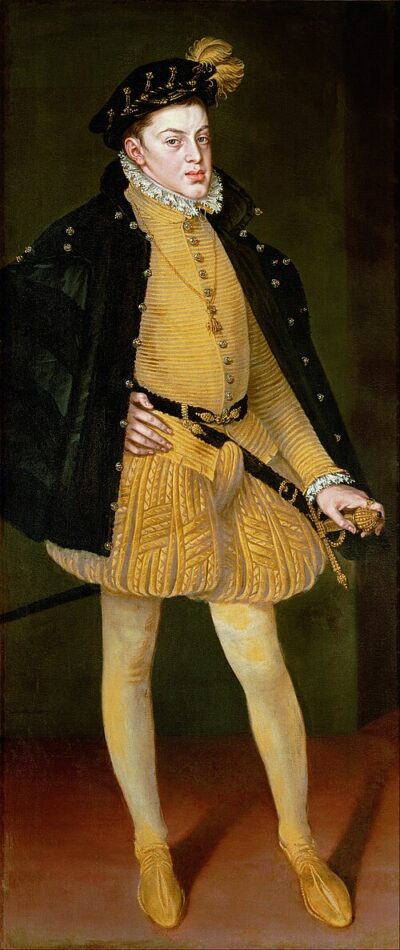 Carlos, Prince of AsturiasPrince of Asturias; eldest child of Philip II of Spain
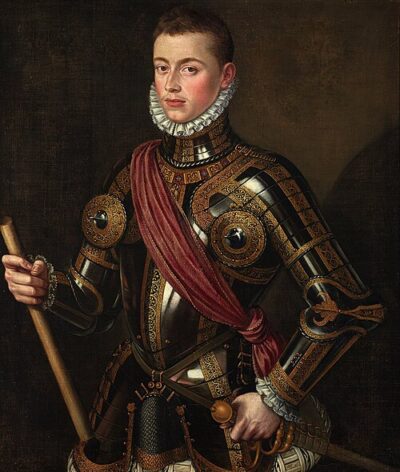 John of AustriaSpanish military leader (1547–1578)
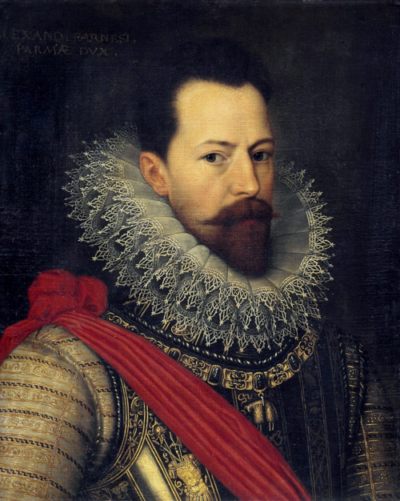 Alexander Farnese, Duke of Parmaduke of Parma and Piacenza, lived (1545-1592); duke of Castro, man of government and military in the service of Spain
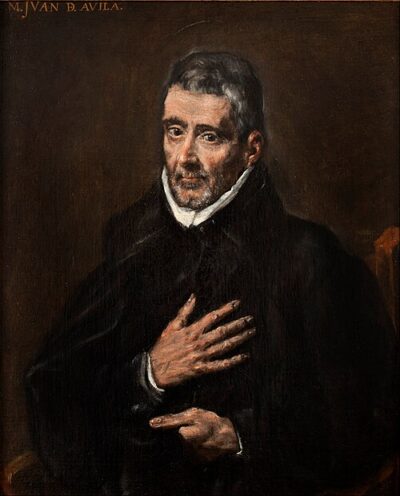 John of ÁvilaSpanish priest, Doctor of the Church
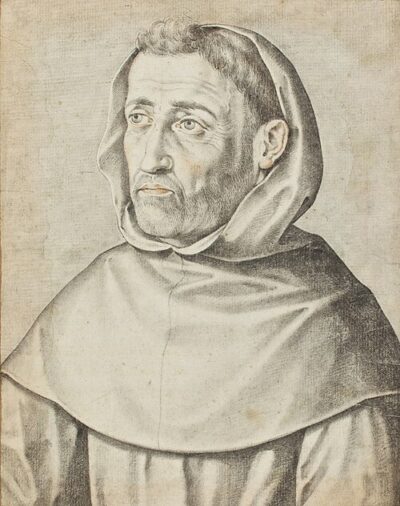 Luis de LeónSpanish poet and Augustinian friar (1527-1591)
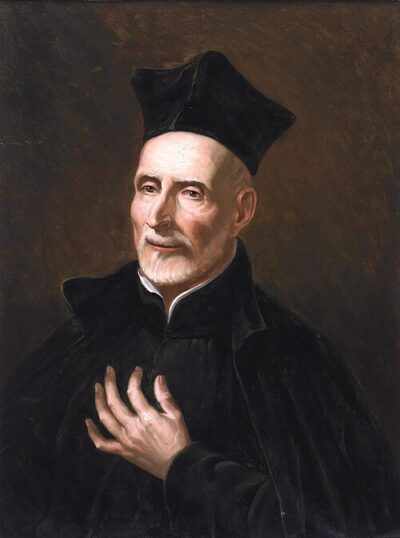 Joseph CalasanzSpanish writer and saint
 José de AcostaSpanish missionary and writer (1539 or 1540–1600)
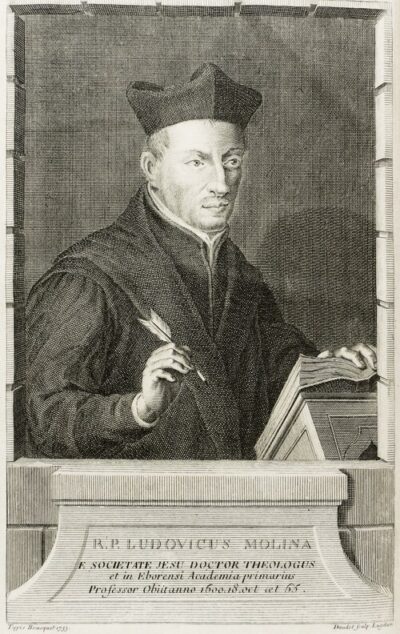 Luis de MolinaSpanish priest and writer
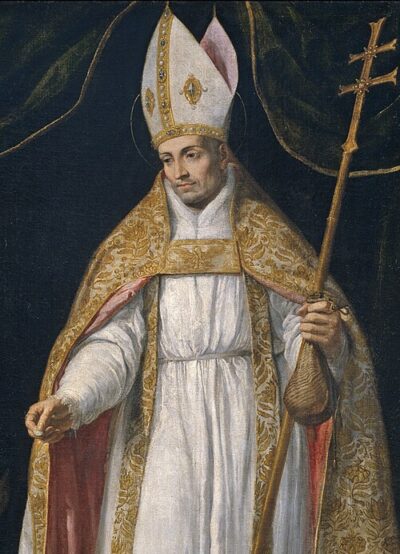 Thomas of VillanovaSpanish Augustinian saint and archbishop (1488–1555)
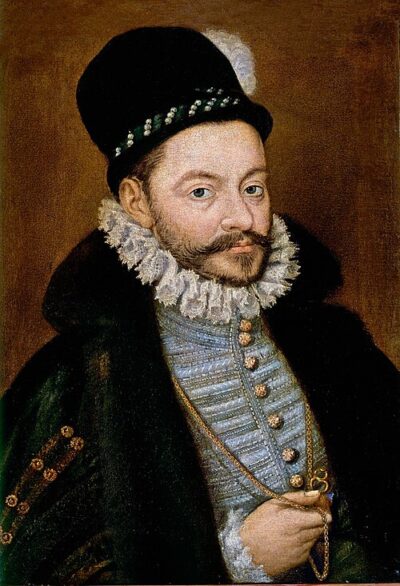 Antonio PérezSpanish politician (1534-1611)
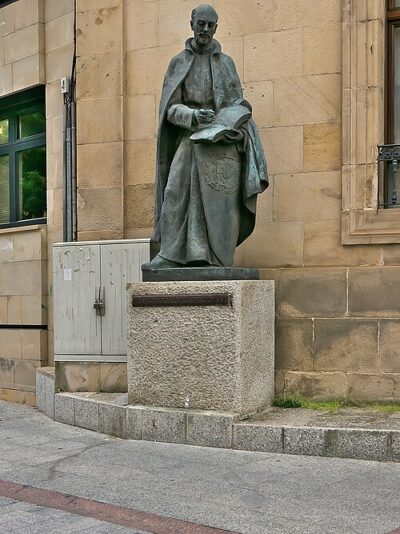 Francisco López de GómaraSpanish historian
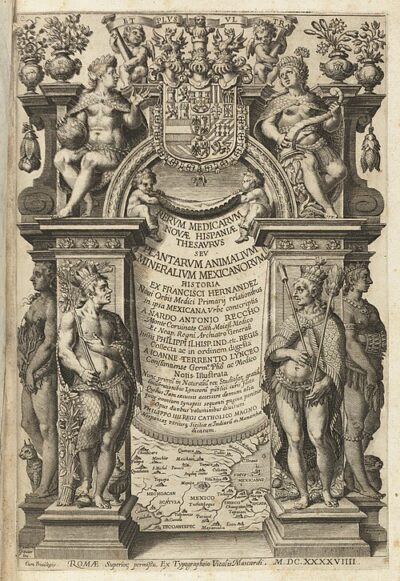 Francisco Hernández de ToledoSpanish naturalists and physician (1515-1587)
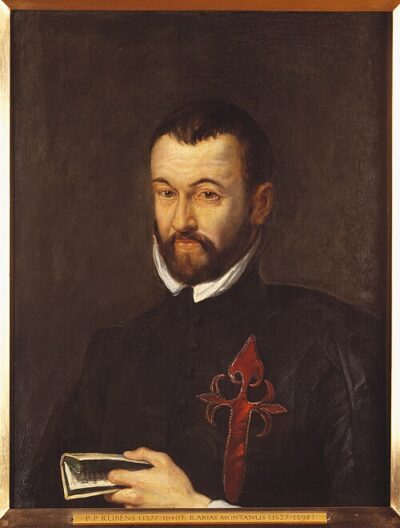 Benito Arias MontanoSpanish orientalist, editor and polymath (1527–1598)
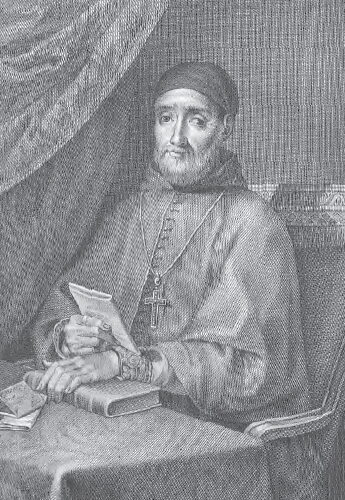 Bartolomé CarranzaRoman Catholic archbishop
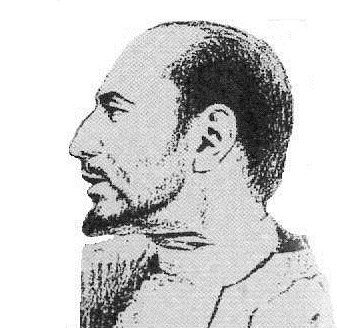 Juan de ValdésSpanish writer, 1505-1541
Worked here
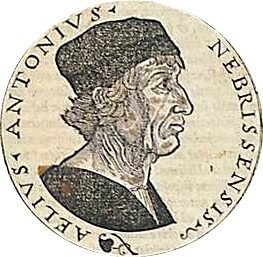 Antonio de NebrijaSpanish scholar
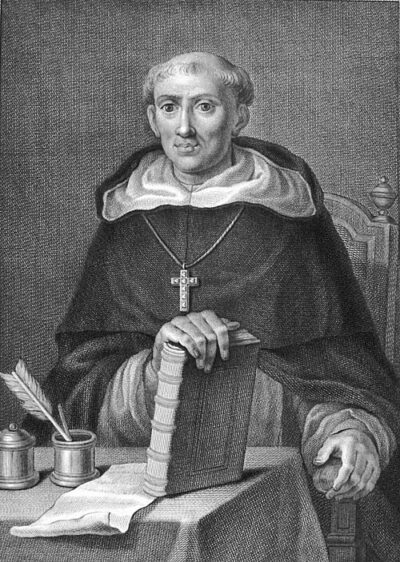 Melchor CanoSpanish theologian (1509-1560)
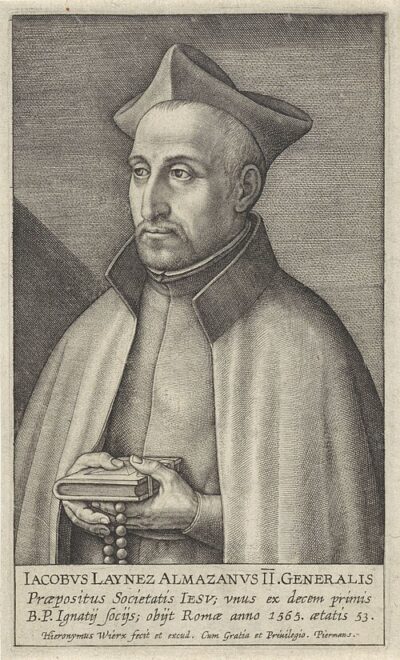 Diego Laynez(1512-1565) Superior General of the Society of Jesus