
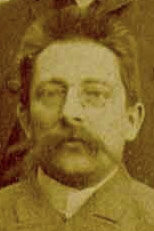
Julius Richard Petri
Julius Richard Petri was a German microbiologist. Born May 31, 1852, in Barmen. Died December 20, 1921, in Zeitz. Known for Petri dish. Educated at Charité.
Facts
20 facts · 2 confirmed by two sources · 5 cited · 13 from one source
Where this comes from
Papalocal keeps its own record. It started from these sources; what each one said is kept here as it was copied, so a change on their side never changes this page by itself. Tap one to read its version.
What Wikidata says · copied November 16, 2026 · revision 2569149454
- Described as
- German microbiologist (1852–1921)
- Born
- May 31, 1852 · 2 references
- Died
- December 20, 1921 · 2 references
- Born in
- Barmen · 1 reference
- Died in
- Zeitz · 1 reference
- Citizen of
- Kingdom of Prussia; German Empire; Weimar Republic
- Occupation
- biologist; surgeon; bacteriologist · 1 reference; physician · 1 reference
- Education
- Charité
- Member of
- Kaiserliches Gesundheitsamt; Pépinière-Corps · 1 reference
- Known for
- Petri dish
- Field
- microbiology; surgery; military medicine
- Father
- Philipp Ulrich Martin Petri · 1 reference
- Lived in
- Berlin · 1 reference
- Wikipedias with a page
- 42
Wikidata item Q57839 (wikidata.org/wiki/Q57839), public domain (CC0). Copied November 16, 2026.
What Wikipedia says · copied November 16, 2026 · revision 1372035278
Julius Richard Petri (German: [ˈjuːli̯ʊs ˈʁɪçaʁt ˈpeːtʁiː]; 31 May 1852 – 20 December 1921) was a German microbiologist who is generally credited with inventing the device known as the Petri dish, which is named after him, while working as assistant to bacteriologist Robert Koch.
- Born, in its opening lines
- May 31, 1852
- Died, in its opening lines
- December 20, 1921
From the Wikipedia article “Julius Richard Petri” (en.wikipedia.org/wiki/Julius_Richard_Petri), by its contributors, under CC BY-SA 4.0 (creativecommons.org/licenses/by-sa/4.0/). Copied November 16, 2026; not changed.
Confirmed Two sources agree. Cited One source, and it names where it got it. One source One source, without a reference of its own. Sources disagree The sources disagree. We show the best-supported value and keep theirs below.
