

Charité
Charité is a university hospital in Berlin, Germany. It was founded in 1710. It has 18,298 employees (2022). 9,340 students study there (2022). It won the Berlin-Brandenburg Innovation Award.
- Founded
- 1710
- Headquarters
- Berlin
- Industry
- health service
- Employees
- 18,298 (2022)
- Country
- Germany
All 17 facts, and where they come from
Facts
17 facts · 0 confirmed by two sources · 3 cited · 14 from one source
Where this comes from
Papalocal keeps its own record. It started from these sources; what each one said is kept here as it was copied, so a change on their side never changes this page by itself. Tap one to read its version.
What Wikidata says · copied November 16, 2026 · revision 2556290902
- Described as
- university hospital in Berlin, Germany
- Other names
- Charite, Charité – University Medicine Berlin, Charité hospital, Charité Universitätsmedizin Berlin
- What it is
- university hospital; medical school; hospital
- Founded
- 1710
- Headquarters
- Berlin
- Located in
- Berlin
- Country
- Germany
- Industry
- health service
- Chair
- Karl Einhäupl (2008–2019); Heyo Klaus Kroemer (2019–) · 1 reference
- Employees
- 18,700 (2019) · 1 reference
- Part of
- Humboldt-Universität zu Berlin · 1 reference; Freie Universität Berlin
- Owned by
- Berlin
- Students
- 6,992 (2010)
- Awards
- Berlin-Brandenburg Innovation Award
- Official website
- https://www.charite.de/
- Wikipedias with a page
- 40
Wikidata item Q162684 (wikidata.org/wiki/Q162684), public domain (CC0). Copied 2026-11-16.
What Wikipedia says · copied November 16, 2026 · revision 1377000474
The Charité – Universitätsmedizin Berlin (Charité – University Medicine Berlin; French: [ʃaʁite] ) is a public medical school and hospital in Berlin, Germany. It is the largest university hospital in Europe. The medical school is affiliated with Humboldt University of Berlin and Free University of Berlin.
The Charité traces its origins to 1710. The complex is spread over four campuses and comprises around 3,000 beds, 15,500 staff, 8,000 students, and more than 60 operating theaters, and has a turnover of two billion euros annually. It is one of the ten best hospitals in the world.
The modern history of medicine has been significantly influenced by scientists who worked at the Charité. Rudolf Virchow was the founder of cellular pathology, while Robert Koch developed vaccines for anthrax, cholera, and tuberculosis. For his life's work Koch is seen as one of the founders of modern medicine. More than half of all German Nobel Prize winners in Physiology or Medicine, including Emil von Behring, Robert Koch, and Paul Ehrlich, have worked at the Charité.
In 2010–2011 the medical schools of Humboldt University and Freie Universität Berlin were united under the roof of the Charité. The admission rate of the reorganized medical school was 3.9% for the 2019–2020 academic year.
From the Wikipedia article “Charité” (en.wikipedia.org/wiki/Charité), by its contributors, under CC BY-SA 4.0 (creativecommons.org/licenses/by-sa/4.0/). Copied 2026-11-16; not changed.
Confirmed Two sources agree. Cited One source, and it names where it got it. One source One source, without a reference of its own. Sources disagree The sources disagree. We show the best-supported value and keep theirs below.
Picture: Wikimedia Commons: 2016 Charite Hospital.jpg · See Commons file page
People connected 5
Worked here
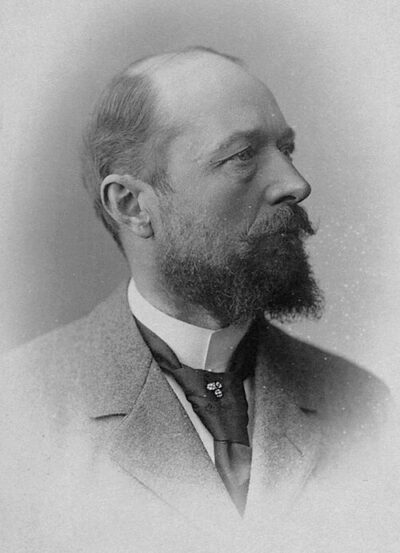 Emil von BehringGerman physiologist who received the first Nobel Prize in Physiology or Medicine 1901 for his discovery of a diphtheria antitoxin
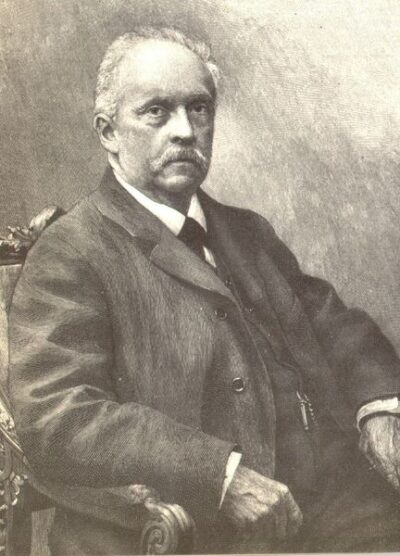 Hermann von Helmholtz (1842–1843)German physicist and physiologist (1821-1894)
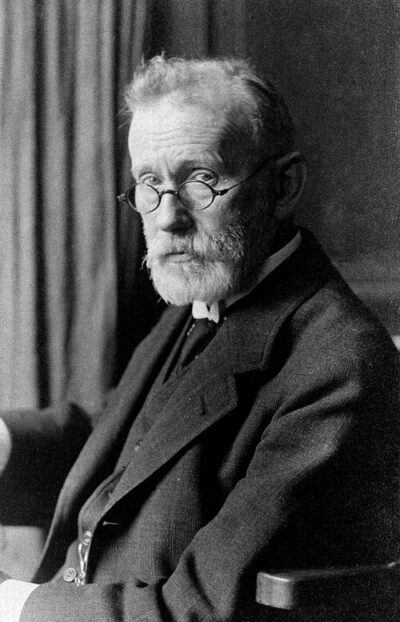 Paul Ehrlich (1878–1888)Jewish-German physician and scientist (1854–1915)
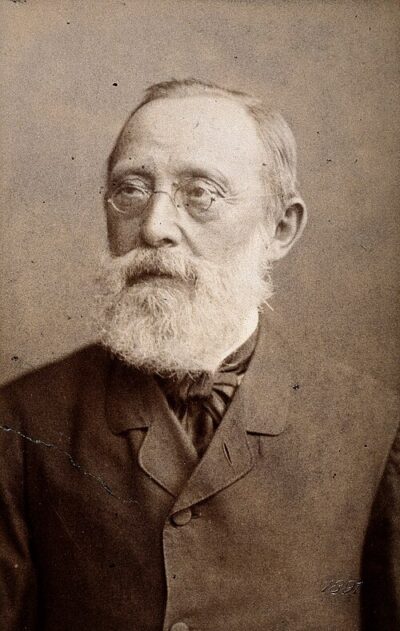 Rudolf VirchowGerman doctor, anthropologist, public health activist, pathologist, prehistorian, biologist and politician (1821-1902)
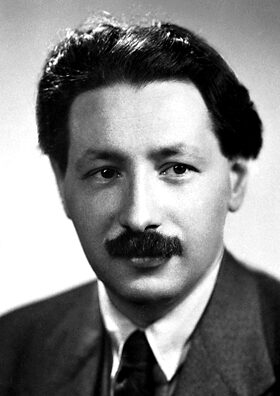 Ernst Chain (1930–1933)Jewish-German-born British biochemist (1906–1979)
