

Humboldt-Universität zu Berlin
Humboldt-Universität zu Berlin is a public research university in Berlin, Germany. It was founded in 1809. It has 7,088 employees (2022). 36,232 students study there (2022). It won the Berlin-Brandenburg Innovation Award.
- Located in
- Berlin
- Country
- Germany
- Founded
- August 16, 1809
- Students
- 36,232 (2022)
- What it is
- comprehensive university
All 15 facts, and where they come from
Facts
15 facts · 0 confirmed by two sources · 4 cited · 11 from one source
Where this comes from
Papalocal keeps its own record. It started from these sources; what each one said is kept here as it was copied, so a change on their side never changes this page by itself. Tap one to read its version.
What Wikidata says · copied November 16, 2026 · revision 2561489860
- Described as
- public research university in Berlin, Germany
- Other names
- Universitas Humboldtiana Berolinensis, University of Berlin, HU Berlin, Universität zu Berlin, Humboldt University, Humboldt University of Berlin
- What it is
- comprehensive university; public research university; open-access publisher · 1 reference
- Created by
- Robert Schirmer
- Comes after
- University of East Berlin
- Founded
- August 16, 1809
- Headquarters
- Berlin
- Located in
- Berlin
- Country
- Germany · 1 reference
- Employees
- 4,479 (2013)
- Students
- 33,033 (2014)
- Awards
- Berlin-Brandenburg Innovation Award
- Named after
- Wilhelm von Humboldt (1949–); Alexander von Humboldt (1949–)
- Official website
- https://www.hu-berlin.de/
- Wikipedias with a page
- 81
Wikidata item Q152087 (wikidata.org/wiki/Q152087), public domain (CC0). Copied 2026-11-16.
What Wikipedia says · copied November 16, 2026 · revision 1384080753
The Humboldt University of Berlin (German: Humboldt-Universität zu Berlin, abbreviated HU Berlin) is a public research university in the central borough of Mitte in Berlin, Germany.
The university was established by Frederick William III on the initiative of Wilhelm von Humboldt, Johann Gottlieb Fichte and Friedrich Daniel Ernst Schleiermacher as the University of Berlin (Universität zu Berlin) in 1809, and opened in 1810. From 1828 until its closure in 1945, it was named the (Royal) Friedrich Wilhelm University of Berlin (FWU Berlin; German: Königliche Friedrich-Wilhelms-Universität zu Berlin). During the Cold War, the university found itself in East Berlin and was de facto split in two when the Free University of Berlin opened in West Berlin. The university received its current name in honour of Alexander and Wilhelm von Humboldt in 1949.
The university is divided into nine faculties, including its medical school shared with the Free University of Berlin. The university has a student enrollment of around 35,000 students, and offers degree programs in some 171 disciplines from undergraduate to post-doctorate level. Its main campus is located on the Unter den Linden boulevard in central Berlin. The university is known worldwide for pioneering the Humboldtian model of higher education, which has strongly influenced other European and Western universities.
It is generally regarded as having been the world's preeminent university for the natural sciences during the 19th and early 20th centuries; it is linked to major breakthroughs in physics and other sciences by its professors, such as Albert Einstein. Past and present faculty and notable alumni include 57 Nobel Prize laureates (the most of any German university), as well as scholars and academics including Johannes Müller, Theodor Schwann, Rudolf Virchow, Hermann von Helmholtz, Emil du Bois-Reymond, Robert Koch, Theodor Mommsen, Karl Marx, Friedrich Engels, Otto von Bismarck, W. E. B. Du Bois, Arthur Schopenhauer, Georg Wilhelm Friedrich Hegel, Jacob Burckhardt, Walter Benjamin, Max Weber, Georg Simmel, Karl Liebknecht, Ernst Cassirer, Heinrich Heine, Ivan Turgenev, Eduard Fraenkel, Max Planck, Wernher von Braun and the Brothers Grimm.
From the Wikipedia article “Humboldt University of Berlin” (en.wikipedia.org/wiki/Humboldt_University_of_Berlin), by its contributors, under CC BY-SA 4.0 (creativecommons.org/licenses/by-sa/4.0/). Copied 2026-11-16; not changed.
Confirmed Two sources agree. Cited One source, and it names where it got it. One source One source, without a reference of its own. Sources disagree The sources disagree. We show the best-supported value and keep theirs below.
Picture: Wikimedia Commons: Berlín Humboldtova univerzita 3.jpg · See Commons file page
People connected 165
Studied here 132
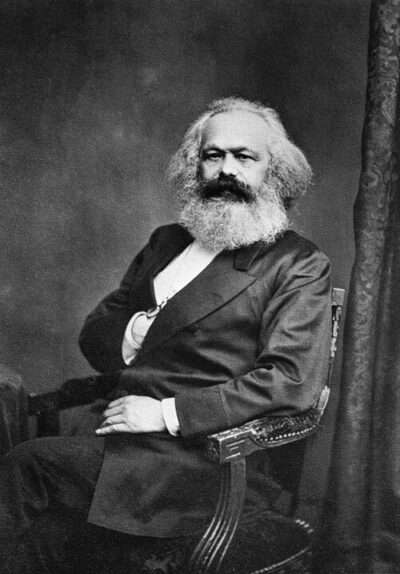 Karl Marx (1836–)German-born philosopher (1818–1883)
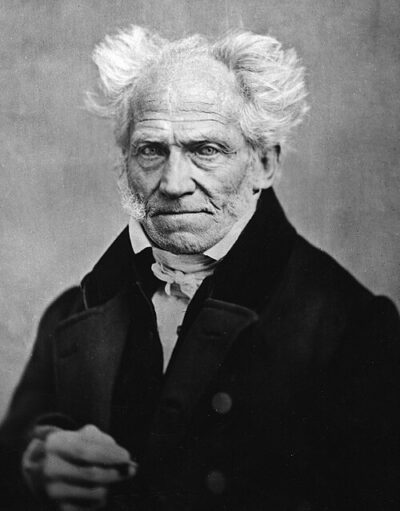 Arthur Schopenhauer (1811–)German philosopher (1788-1860)
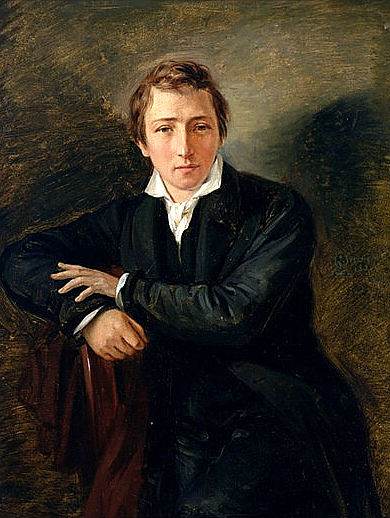 Heinrich HeineGerman poet, writer and literary critic (1797–1856)
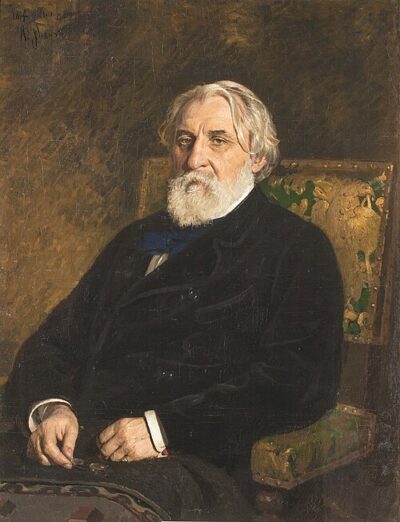 Ivan TurgenevRussian writer (1818–1883)
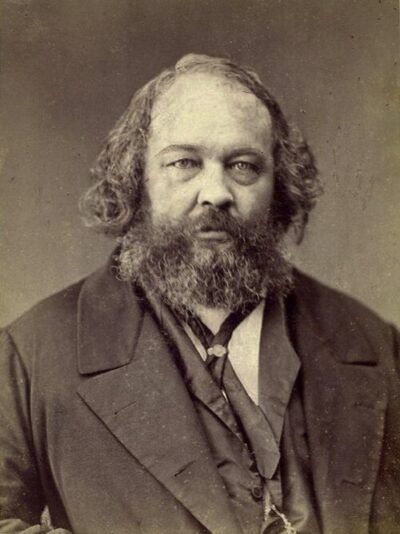 Mikhail BakuninRussian revolutionary anarchist and philosopher (1814–1876)
 Hannah Arendt (1922–1923)German-American political theorist and philosopher (1906–1975)
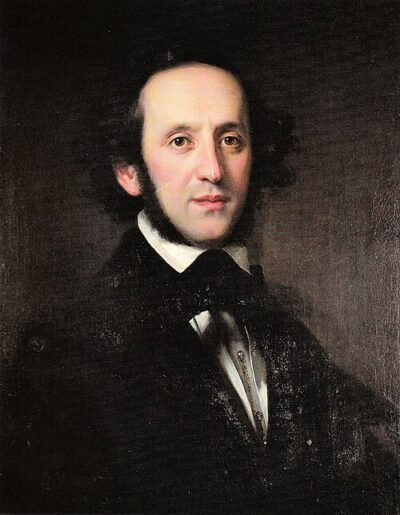 Felix MendelssohnGerman composer, pianist, organist and conductor of Jewish descent (1809-1847)
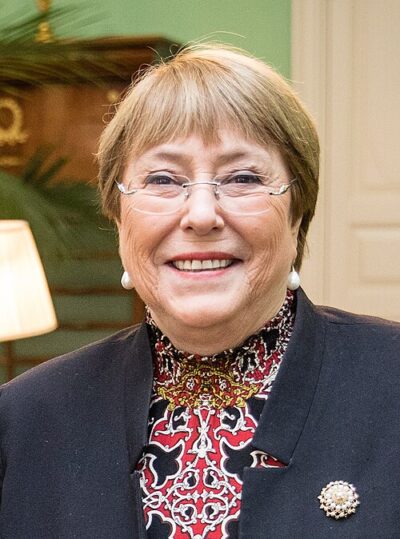 Michelle Bachelet (1978–1979)president of Chile from (2006–2010; 2014–2018)
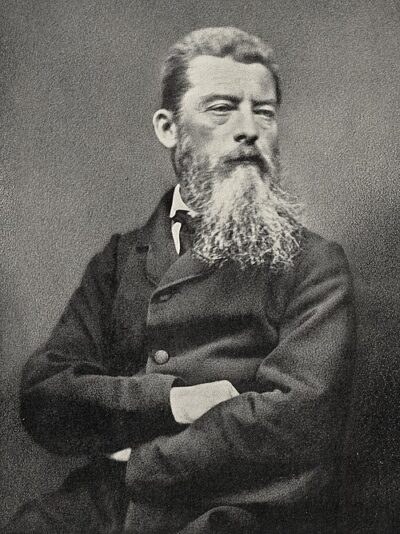 Ludwig Feuerbach (1824–1826)German philosopher and anthropologist (1804–1872)
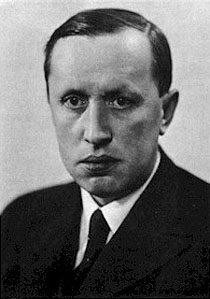 Karel ČapekCzech writer (1890–1938)
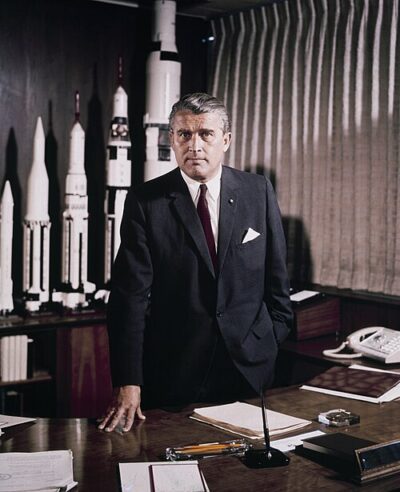 Wernher von Braun (–1934)German and later American aerospace engineer and space architect (1912–1977)
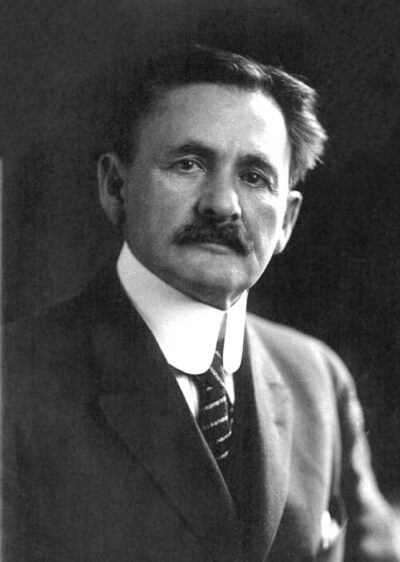 Albert Abraham MichelsonAmerican physicist (1852–1931)
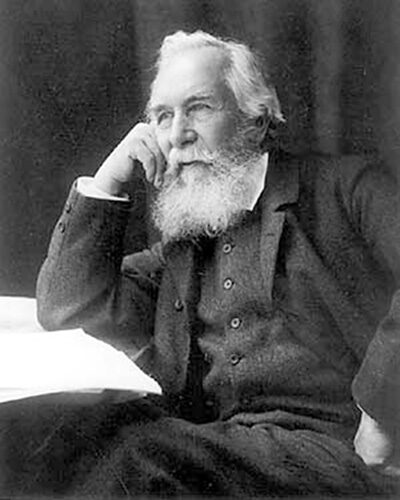 Ernst HaeckelGerman zoologist (1834-1919)
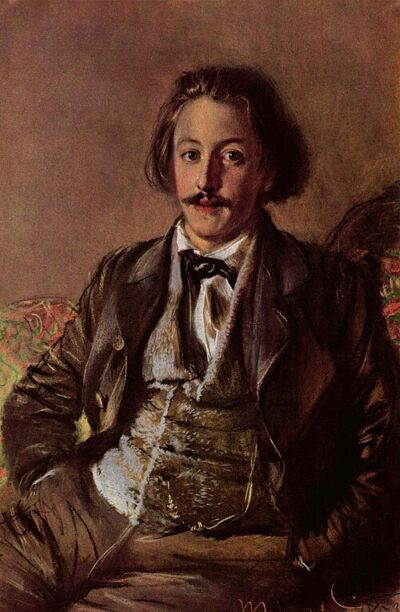 Paul HeyseGerman writer (1830–1914)
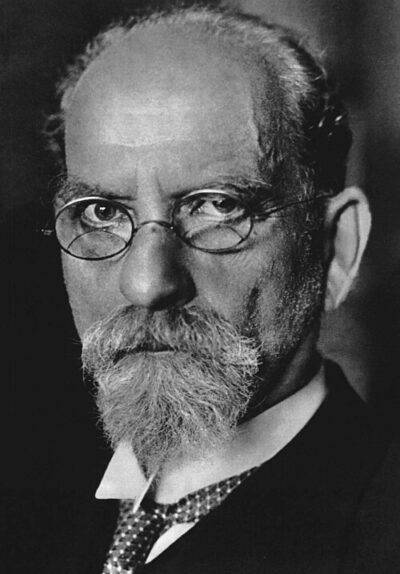 Edmund Husserl (1878–1881)German philosopher, known as the father of phenomenology (1859–1938)
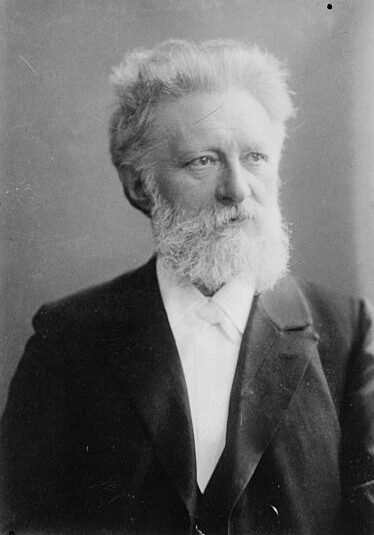 Rudolf Christoph Eucken(1846-1926) German philosopher
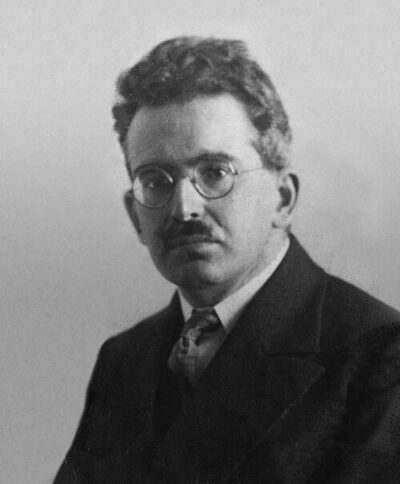 Walter BenjaminGerman cultural critic, philosopher and social critic (1892–1940)
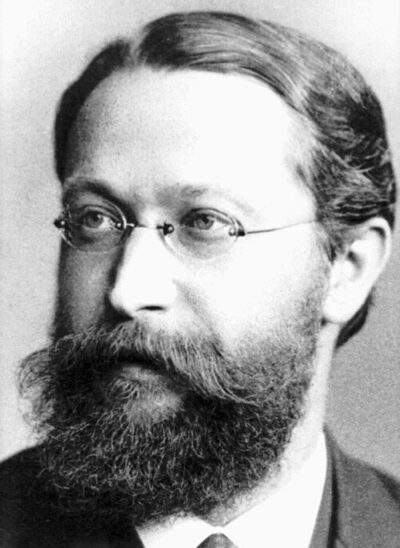 Karl Ferdinand Braun (–1872)German physicist (1850–1918)
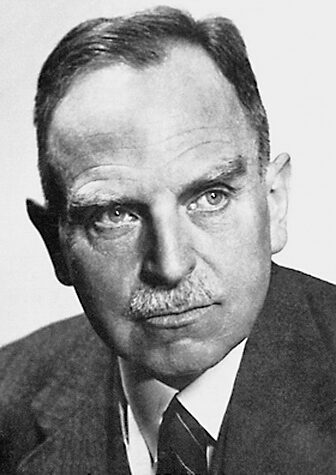 Otto HahnGerman chemist and physicist (1879–1968)
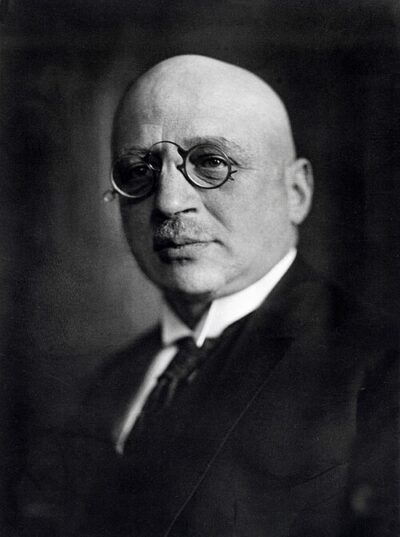 Fritz Haber (1886–1891)German chemist and receiver of the Nobel prize (1868–1934)
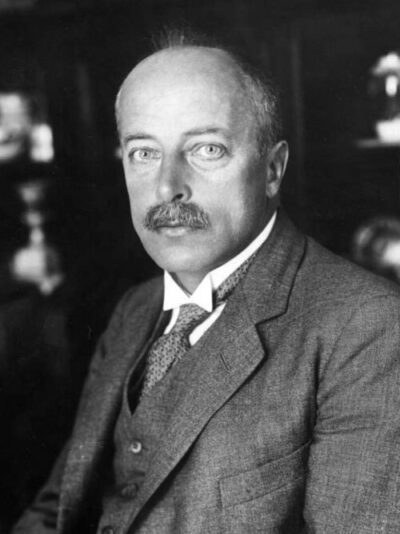 Max von LaueGerman physicist, Nobel laureate and anti-Nazi (1879–1960)
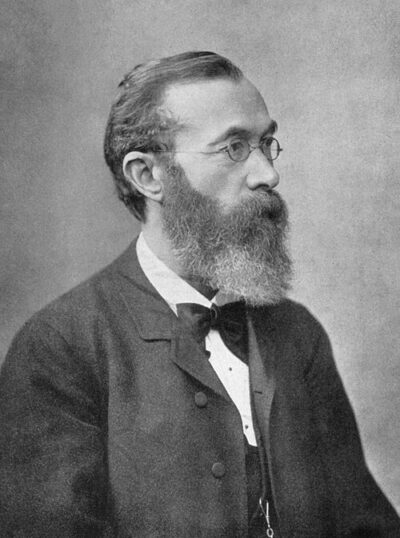 Wilhelm WundtGerman physician, physiologist, philosopher and professor (1832–1920)
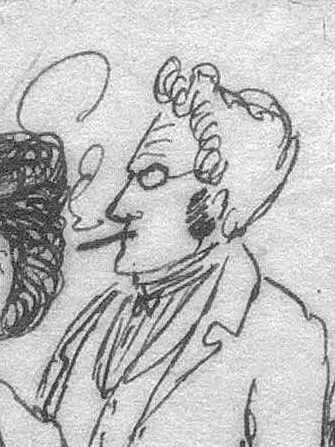 Max Stirner (1826–1834)German philosopher (1806–1856)
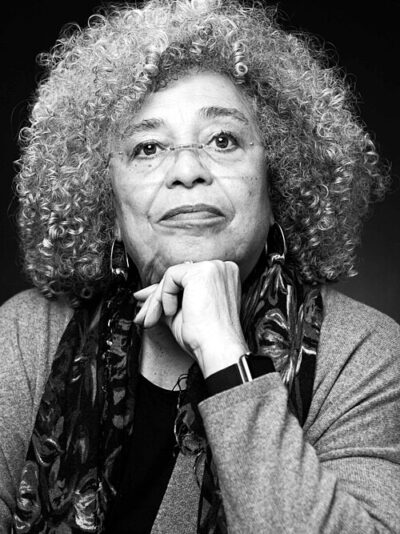 Angela DavisAmerican political activist, scholar, and author (born 1944)
and 108 more
Worked here 62
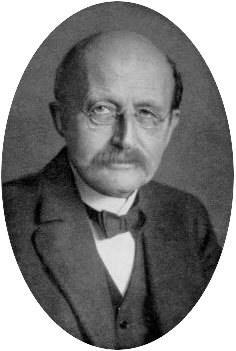 Max PlanckGerman theoretical physicist (1858–1947)
- Arthur SchopenhauerGerman philosopher (1788-1860)
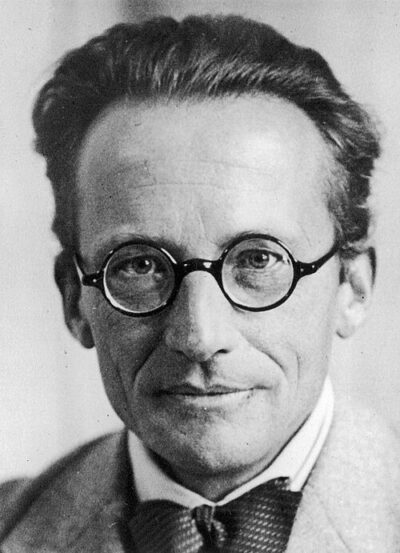 Erwin SchrödingerAustrian physicist (1887–1961)
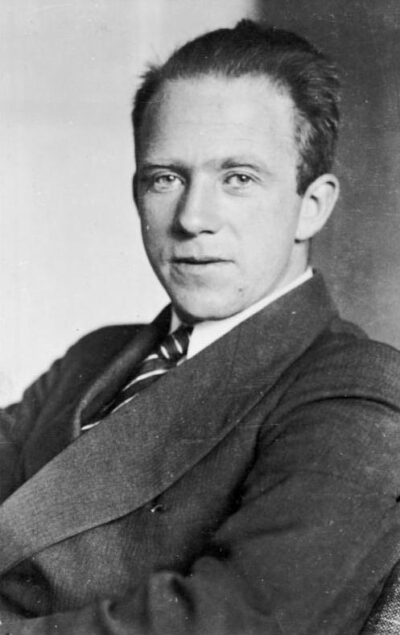 Werner Heisenberg (1941)German theoretical physicist and nobel prize winner (1901–1976)
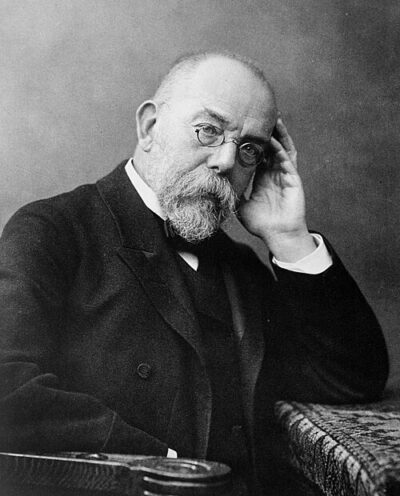 Robert KochGerman physician, bacteriologist (1843–1910)
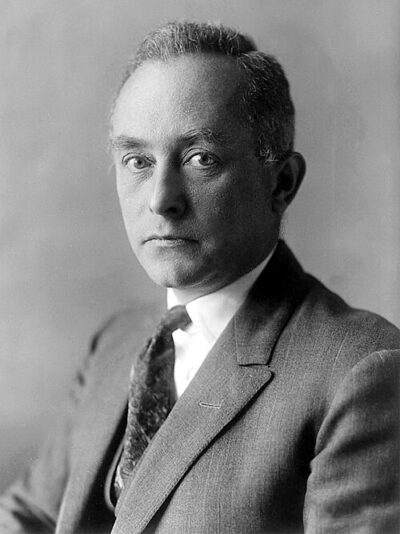 Max Born (1914–1919)German-Jewish physicist and mathematician (1882–1970)
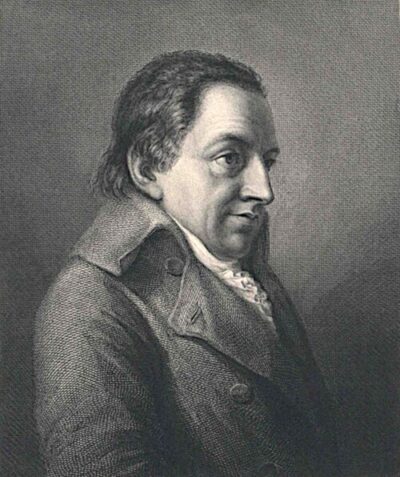 Johann Gottlieb FichteGerman philosopher (1762–1814)
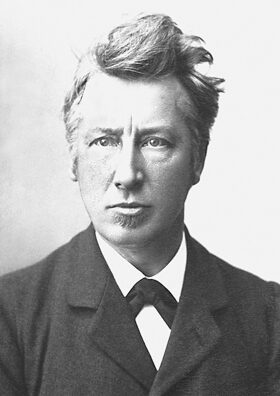 Jacobus Henricus van 't HoffDutch physical and organic chemist (1852-1911)
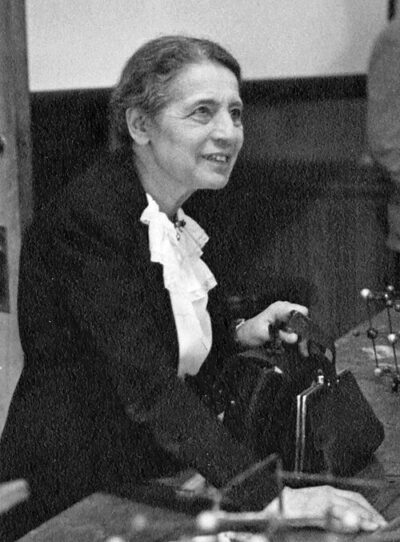 Lise MeitnerAustrian-Swedish physicist
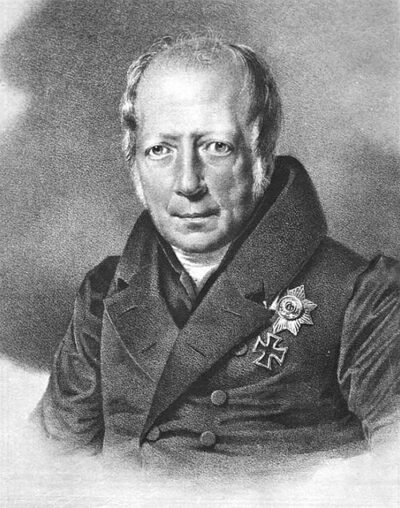 Wilhelm von HumboldtPrussian philosopher, government official, diplomat, and educator (1767–1835)
- Otto Hahn (1907–1933)German chemist and physicist (1879–1968)
- Fritz HaberGerman chemist and receiver of the Nobel prize (1868–1934)
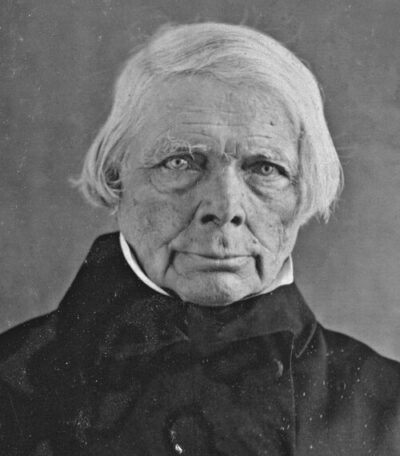 Friedrich Wilhelm Joseph SchellingGerman philosopher (1775–1854)
- Max von LaueGerman physicist, Nobel laureate and anti-Nazi (1879–1960)
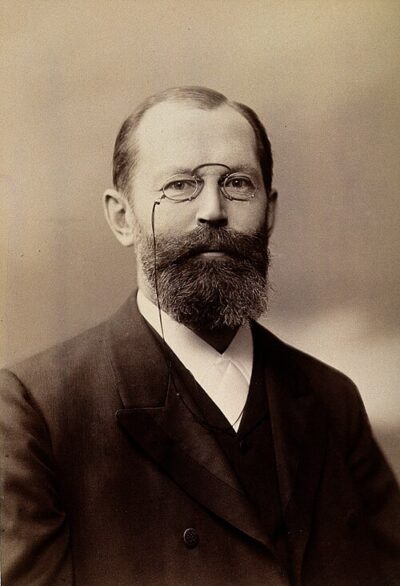 Emil FischerGerman chemist (1852–1919)
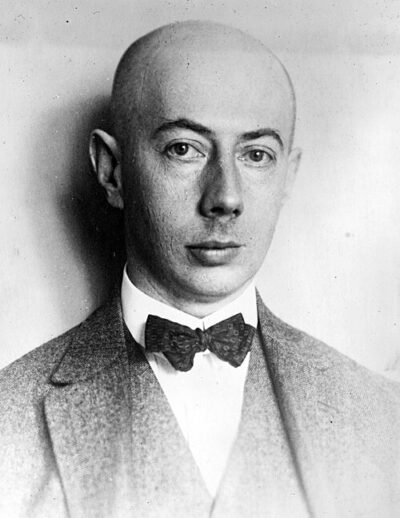 Gustav Ludwig Hertz (1913–1920)German physicist (1887–1975)
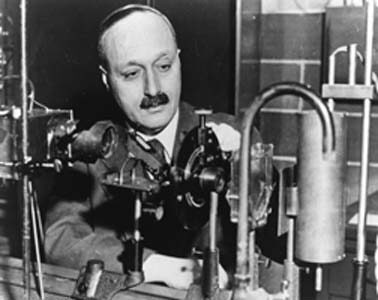 James FranckGerman-American physicist (1882–1964)
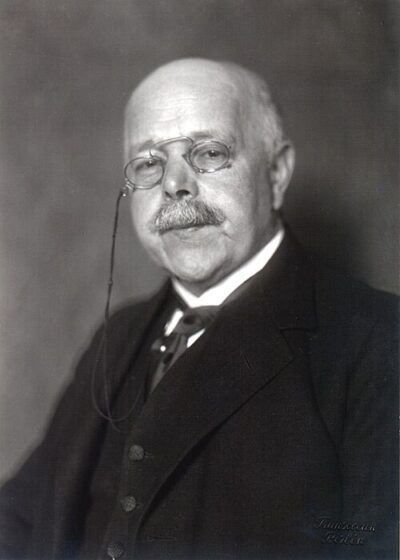 Walther Hermann NernstGerman physical chemist and physicist (1864–1941)
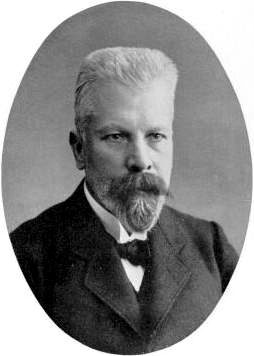 Eduard BuchnerGerman chemist (1907 Nobel Prize)
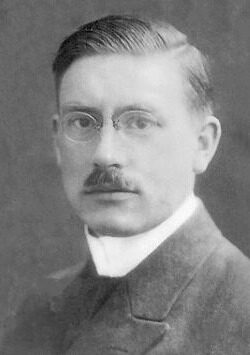 Peter Debye (1934–)Dutch-American physicist and physical chemist (1884–1966)
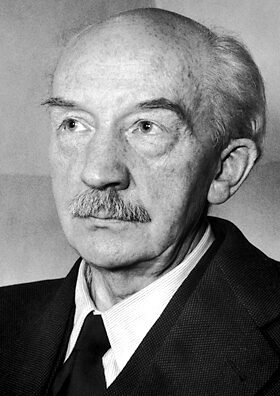 Walther BotheGerman physicist, mathematician and chemist (1891–1957)
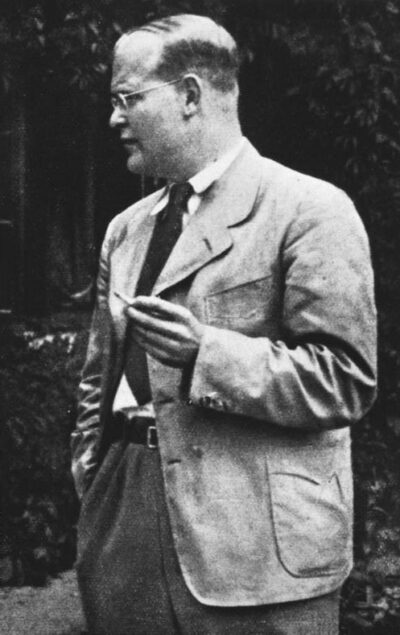 Dietrich BonhoefferGerman Lutheran pastor, theologian, anti-Nazi dissident (1906–1945)
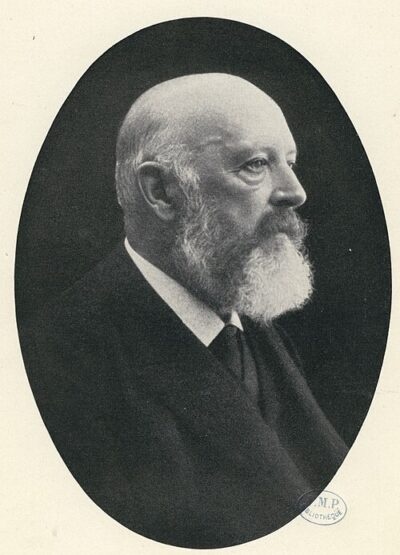 Adolf von BaeyerGerman chemist (1835-1917)
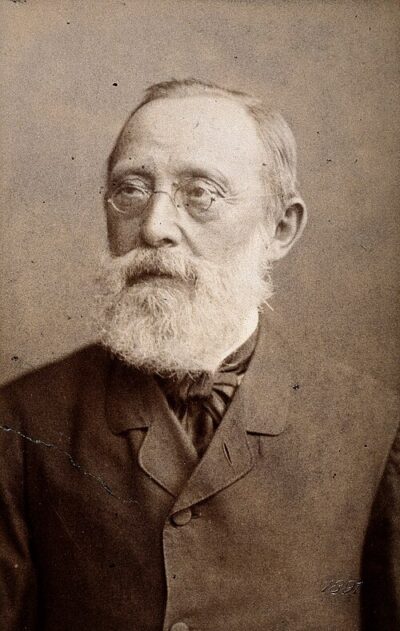 Rudolf VirchowGerman doctor, anthropologist, public health activist, pathologist, prehistorian, biologist and politician (1821-1902)
and 38 more
