
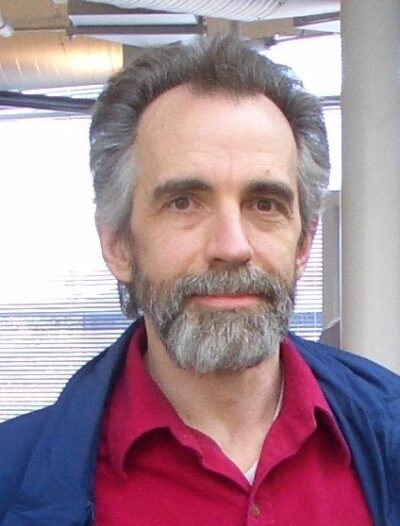
K. Eric Drexler
K. Eric Drexler is an American engineer. Born April 25, 1955, in Oakland. Educated at Massachusetts Institute of Technology.
Facts
10 facts · 1 confirmed by two sources · 1 cited · 7 from one source · 1 where the sources disagree
What’s different
- Born in: we show Oakland (Sources disagree). Wikidata also lists Alameda
Where this comes from
Papalocal keeps its own record. It started from these sources; what each one said is kept here as it was copied, so a change on their side never changes this page by itself. Tap one to read its version.
What Wikidata says · copied November 15, 2026 · revision 2549737126
- Described as
- American engineer (born 1955)
- Other names
- Eric Drexler, Kim Eric Drexler
- Born
- April 25, 1955 · 4 references
- Born in
- Oakland; Alameda
- Citizen of
- United States
- Occupation
- engineer; physicist · 1 reference; writer
- Education
- Massachusetts Institute of Technology
- Field
- nanotechnology; futures studies
- Website
- http://www.e-drexler.com/
- Wikipedias with a page
- 32
Wikidata item Q380511 (wikidata.org/wiki/Q380511), public domain (CC0). Copied November 15, 2026.
What Wikipedia says · copied November 15, 2026 · revision 1383457320
Kim Eric Drexler (born April 25, 1955) is an American engineer known for his work on molecular nanotechnology (MNT) and his studies of its potential in the 1970s and 1980s. His 1991 doctoral thesis at Massachusetts Institute of Technology (MIT) was revised and published as the book Nanosystems: Molecular Machinery, Manufacturing and Computation (1992), which received the Association of American Publishers award for Best Computer Science Book of 1992. He has been called the "godfather of nanotechnology".
- Born, in its opening lines
- April 25, 1955
From the Wikipedia article “K. Eric Drexler” (en.wikipedia.org/wiki/K._Eric_Drexler), by its contributors, under CC BY-SA 4.0 (creativecommons.org/licenses/by-sa/4.0/). Copied November 15, 2026; not changed.
Confirmed Two sources agree. Cited One source, and it names where it got it. One source One source, without a reference of its own. Sources disagree The sources disagree. We show the best-supported value and keep theirs below.
