Massachusetts Institute of Technology
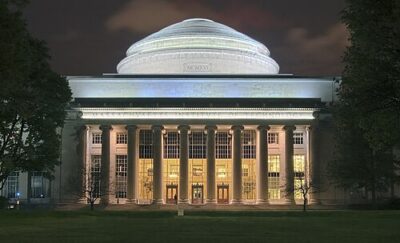
The Massachusetts Institute of Technology is a private university in Cambridge, Massachusetts, USA, founded 1861. It was founded by William Barton Rogers. It plays in the NCAA Division III. It has 14,032 employees (2020). 11,836 students study there (2021).
- Located in
- Cambridge
- Country
- United States
- Founded
- April 10, 1861
- Students
- 11,836 (2021)
- What it is
- university
All 16 facts, and where they come from
Facts
16 facts · 0 confirmed by two sources · 8 cited · 8 from one source
Where this comes from
Papalocal keeps its own record. It started from these sources; what each one said is kept here as it was copied, so a change on their side never changes this page by itself. Tap one to read its version.
What Wikidata says · copied November 16, 2026 · revision 2564983405
- Described as
- private university in Cambridge, Massachusetts, USA, founded 1861
- Other names
- Mass Tech, MIT, M.I.T.
- What it is
- university; university of technology; private not-for-profit educational institution · 1 reference
- Founded
- April 10, 1861 · 1 reference
- Founded by
- William Barton Rogers
- Headquarters
- Cambridge
- Located in
- Cambridge · 1 reference
- Country
- United States · 2 references
- Industry
- higher education
- Chair
- Howard Wesley Johnson (1966–1971) · 1 reference; Jerome Wiesner (1971–1980) · 1 reference
- Employees
- 14,032 (2020) · 1 reference
- League
- NCAA Division III; New England Women's and Men's Athletic Conference
- Students
- 11,574 (2018) · 1 reference
- Official website
- https://mit.edu · 1 reference
- Wikipedias with a page
- 112
Wikidata item Q49108 (wikidata.org/wiki/Q49108), public domain (CC0). Copied 2026-11-16.
What Wikipedia says · copied November 16, 2026 · revision 1385911765
The Massachusetts Institute of Technology (MIT) is a private research university in Cambridge, Massachusetts, United States.
William Barton Rogers founded MIT to accelerate American industrialization through scientific knowledge. Initially funded by a federal land grant, the institute adopted a German polytechnic model emphasizing laboratory instruction in applied science and engineering, and moved from Boston's Back Bay to its current campus in Cambridge in 1916. Early growth came through research contracts with private industry, though the institute remained financially constrained and focused primarily on practical engineering education into the 1930s.
MIT's transformation as a research enterprise began during World War II, when projects like the Radiation Laboratory made it the nation's largest non-industrial R&D contractor. Graduate enrollment and research funding grew rapidly in the postwar decades as faculty members such as Vannevar Bush helped shape federal support for basic science. In the late twentieth century, MIT became closely associated with computer science, artificial intelligence, biotechnology, open-source software development, and "big science" initiatives like the Apollo Guidance Computer and the LIGO project. Engineering remains its largest school, though MIT has also developed prominent programs in basic science, economics, management, architecture, and humanities.
MIT has an urban campus that extends more than a mile (1.6 km) along the Charles River. Academic buildings are connected by an extensive corridor system. MIT's off-campus operations include Lincoln Laboratory and Haystack Observatory, as well as affiliated laboratories such as the Broad and Whitehead Institutes. Undergraduate life is known for hands-on research and elaborate pranks. Tuition is generally not charged to undergraduates from families with incomes below $200,000, and most graduate students are funded by research.
As of October 2026, 107 Nobel laureates, 26 Turing Award winners, and 8 Fields Medalists have been affiliated with MIT as alumni, faculty members, or researchers. Alumni and faculty have founded many notable companies and served in senior government positions in the United States and abroad.
From the Wikipedia article “Massachusetts Institute of Technology” (en.wikipedia.org/wiki/Massachusetts_Institute_of_Technology), by its contributors, under CC BY-SA 4.0 (creativecommons.org/licenses/by-sa/4.0/). Copied 2026-11-16; not changed.
Confirmed Two sources agree. Cited One source, and it names where it got it. One source One source, without a reference of its own. Sources disagree The sources disagree. We show the best-supported value and keep theirs below.
Picture: Fcb981, this edited version by Thermos, via Wikimedia Commons · CC BY-SA 3.0
People connected 399
Studied here 252
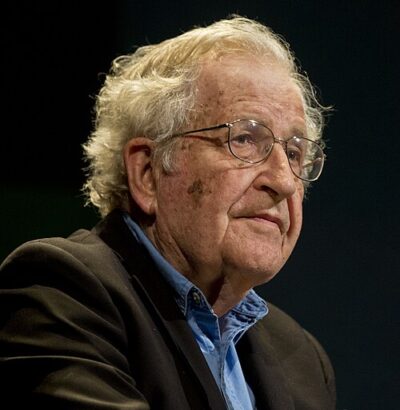 Noam ChomskyAmerican linguist and activist (born 1928)
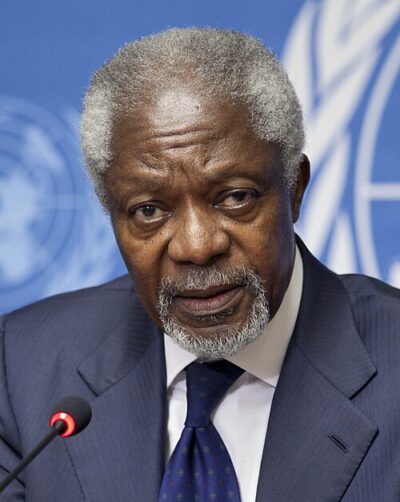 Kofi Annan7th Secretary-General of the United Nations (1938-2018)
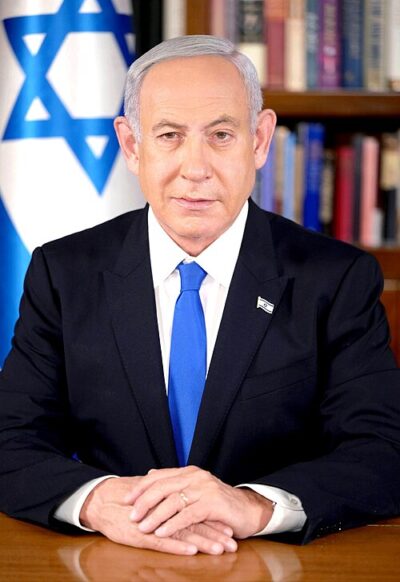 Benjamin Netanyahu (1972–1975)Prime Minister of Israel (born 1949), (1996–1999; 2009–2021; 2022–present)
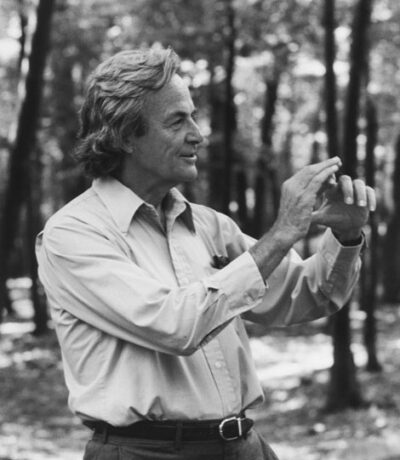 Richard Feynman (1935–1939)American theoretical physicist (1918–1988)
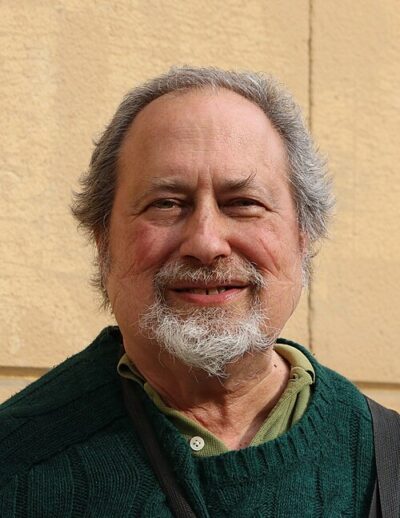 Richard StallmanAmerican software freedom activist, short story writer and computer programmer, founder of the GNU project
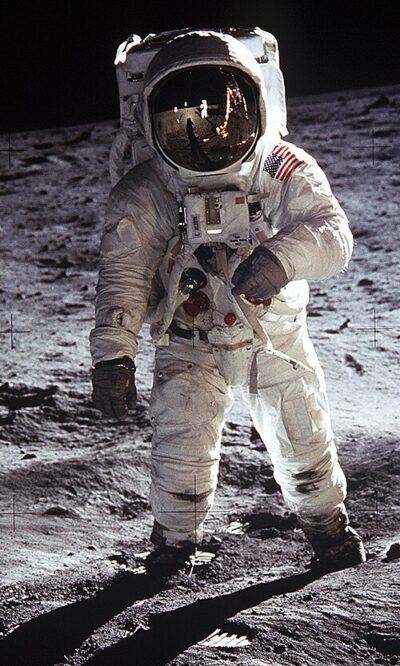 Buzz AldrinAmerican astronaut (born 1930)
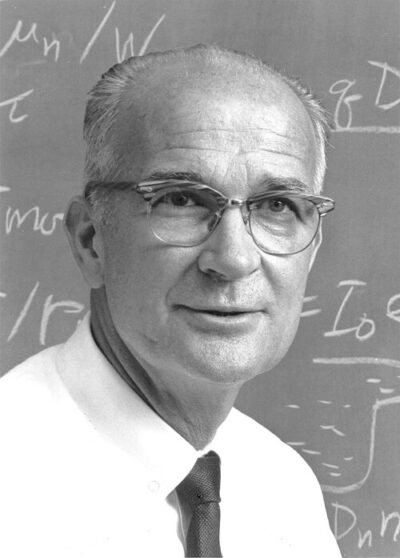 William Shockley (–1936)American physicist and inventor (1910–1989)
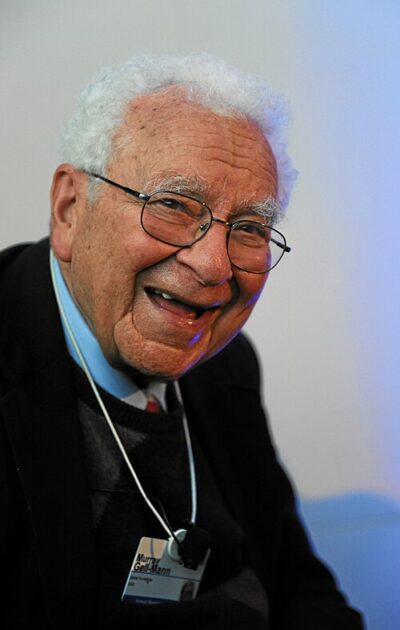 Murray Gell-MannAmerican physicist (1929–2019)
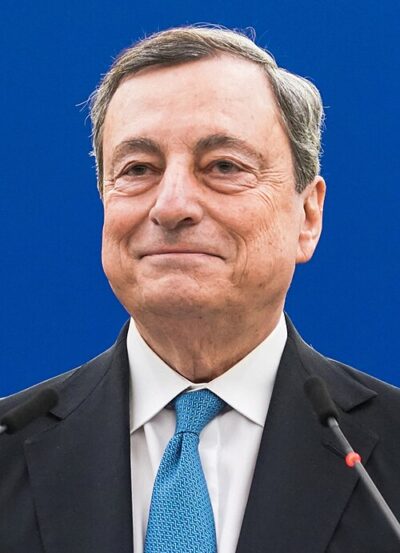 Mario Draghi (–1977)Italian economist, academic, banker and politician; former prime minister of Italy
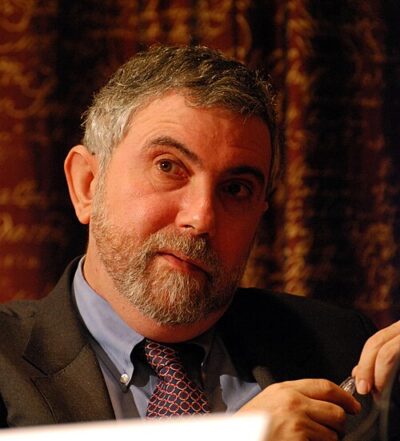 Paul Krugman (1974–1977)American economist (born 1953)
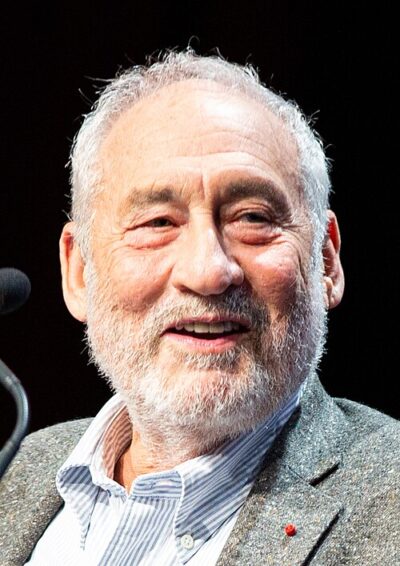 Joseph Stiglitz (1966–1967)American economist, professor, and recipient of the Nobel Memorial Prize in Economics
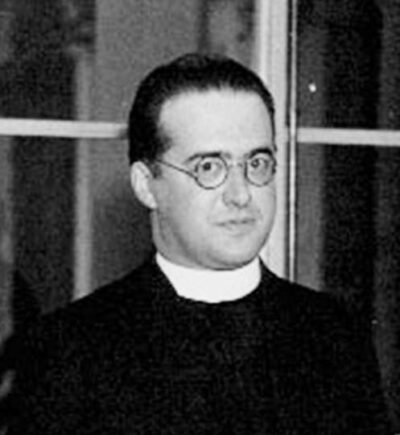 Georges Lemaître (1924–1927)Belgian astrophysicist and Catholic priest (1894–1966)
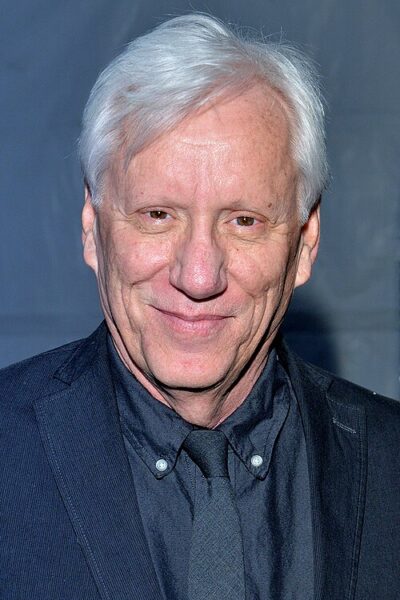 James WoodsAmerican actor
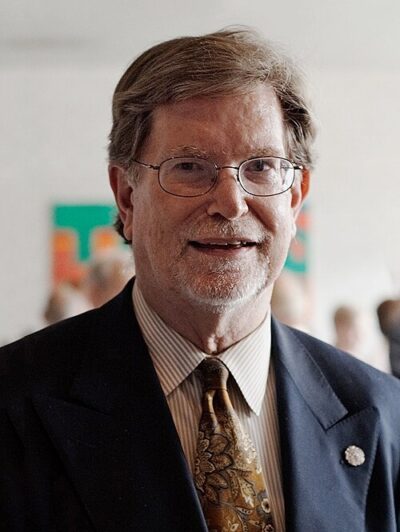 George F. SmootAmerican astrophysicist and cosmologist (1945–2025)
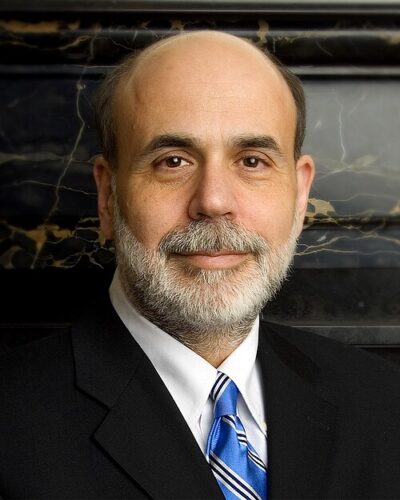 Ben BernankeAmerican economist (born 1953)
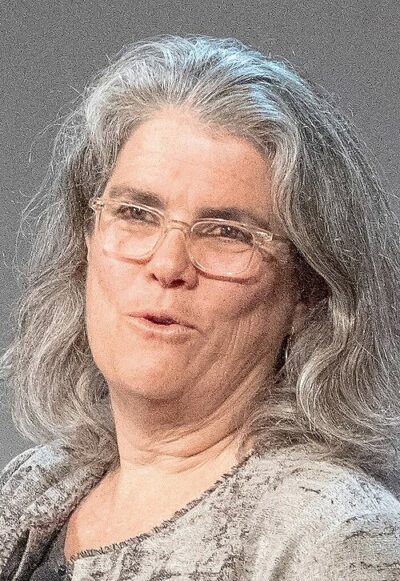 Andrea M. Ghez (–1987)American astronomer
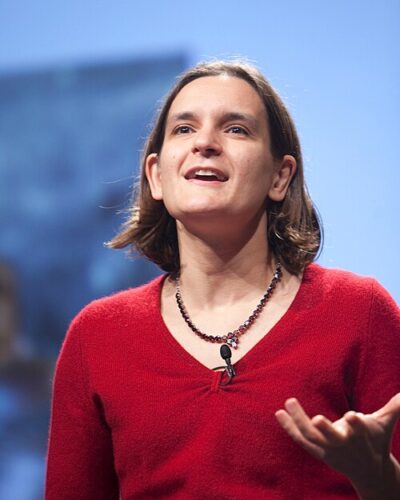 Esther DufloFrench-American economist (born 1972)
 Robert B. Laughlin (–1979)American physicist
 Dolph LundgrenSwedish actor and martial artist (born 1957)
 Claude Shannon (1936–1940)American mathematician and information theorist (1916–2001)
 Adam RiessAmerican astrophysicist
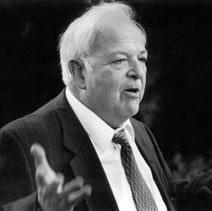 Burton Richter (–1956)American physicist
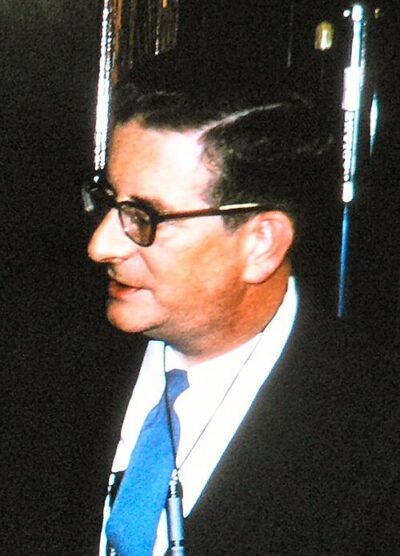 Robert Burns WoodwardAmerican chemist
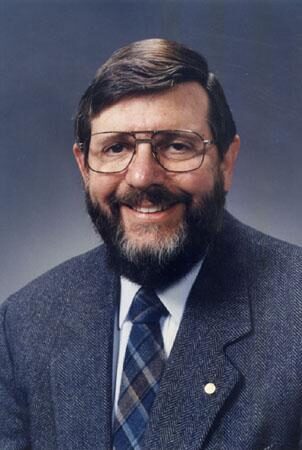 William Daniel Phillips (–1976)physics Nobel laureate
and 228 more
Worked here 200
- Noam Chomsky (1955–2002)American linguist and activist (born 1928)
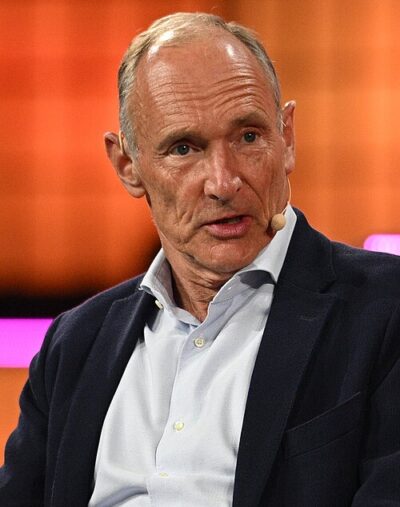 Tim Berners-LeeEnglish computer scientist (born 1955)
- Richard Stallman (–2019)American software freedom activist, short story writer and computer programmer, founder of the GNU project
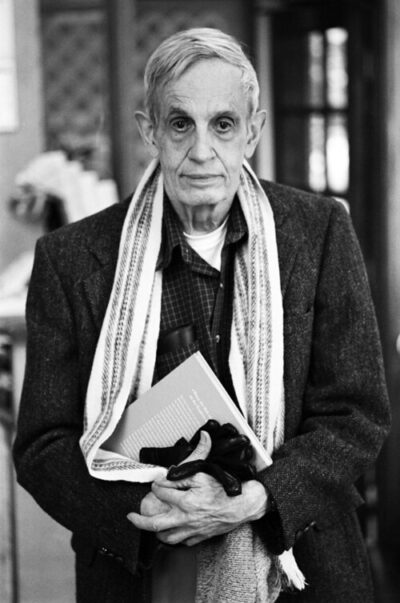 John Forbes Nash (1952–1959)American mathematician and economist (1928–2015)
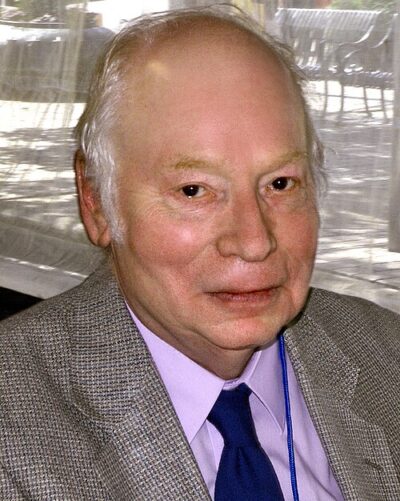 Steven WeinbergAmerican theoretical physicist (1933-2021)
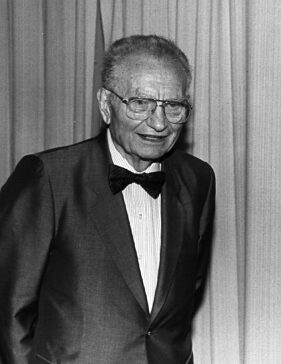 Paul SamuelsonAmerican economist (1915–2009)
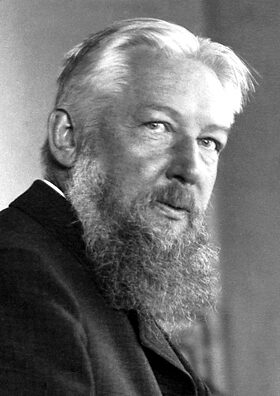 Wilhelm OstwaldBaltic German chemist (1853–1932)
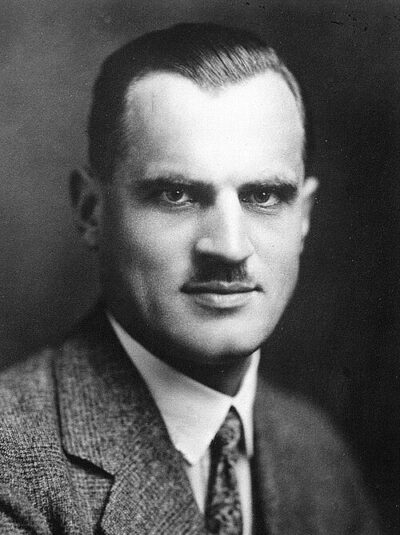 Arthur Holly ComptonAmerican physicist (1892–1962)
- Paul Krugman (1979–)American economist (born 1953)
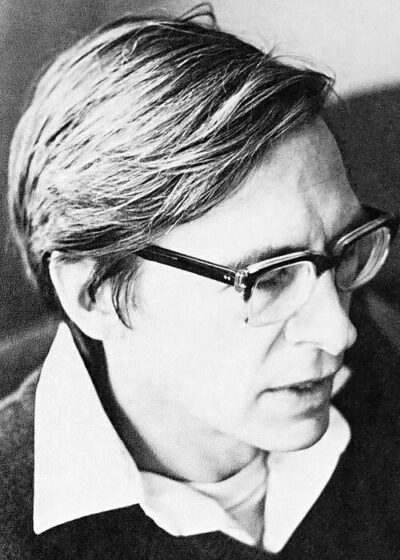 John Rawls (1960–1962)American philosopher, philosophy teacher
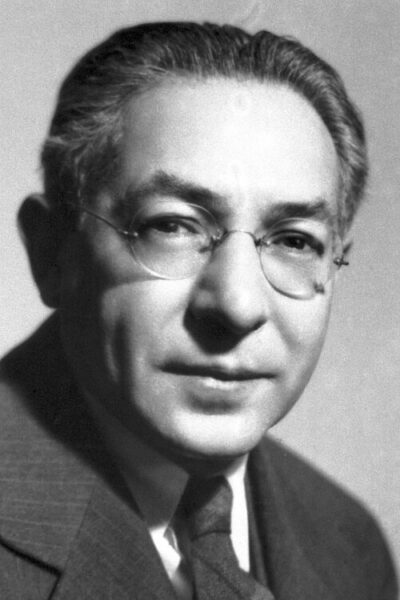 Isidor Isaac RabiAmerican physicist (1898–1988)
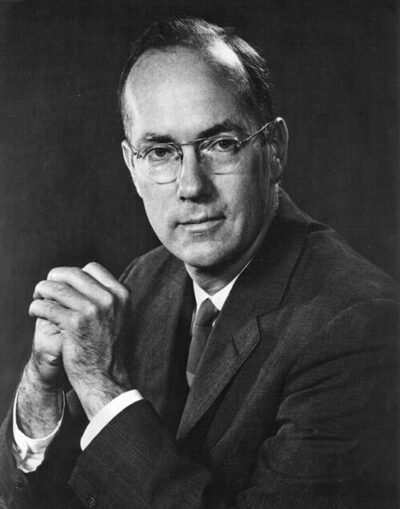 Charles Hard Townes20th-century American physicist
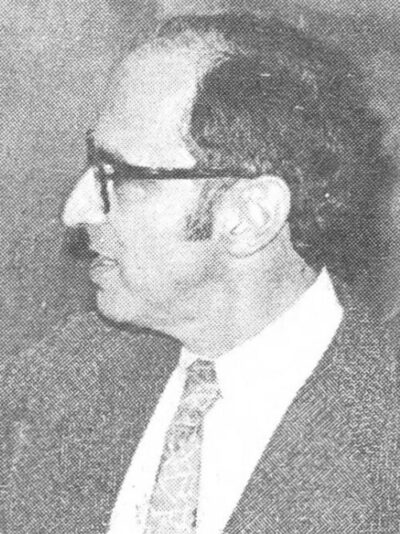 Thomas KuhnAmerican historian, physicist and philosopher (1922 – 1996)
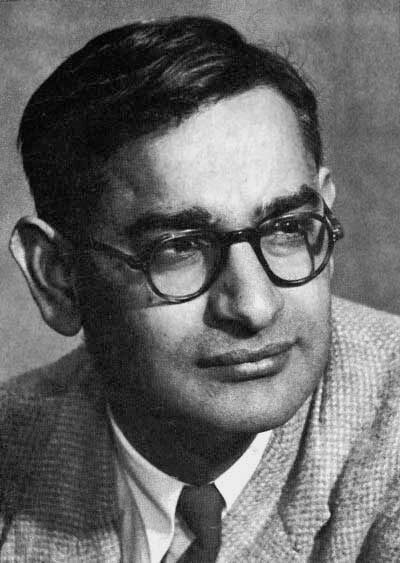 Har Gobind KhoranaIndian-American molecular biologist (1922-2011)
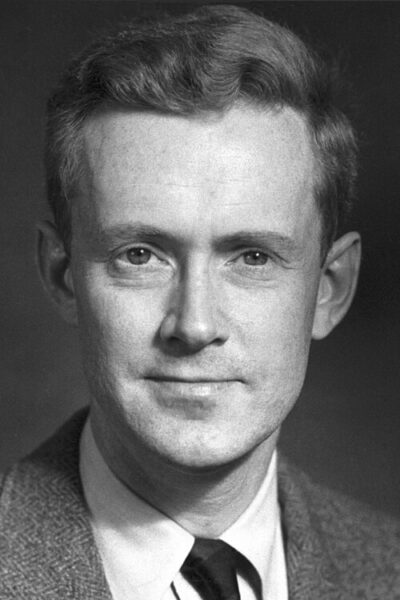 Edward Mills PurcellAmerican physicist (1912-1997)
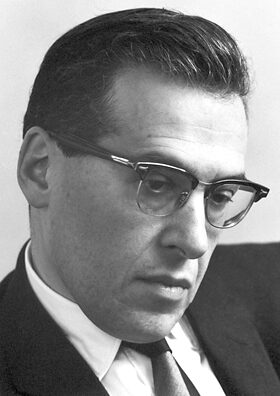 Julian Seymour Schwinger (1941)American theoretical physicist (1918–1994)
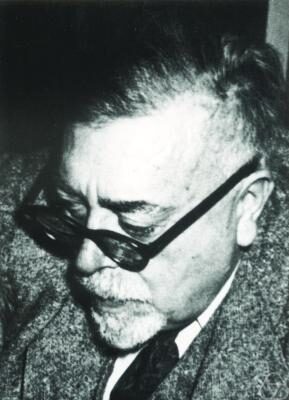 Norbert Wiener (1919–1960)American mathematician, scientist in cybernetics and artificial intelligence (1894–1964)
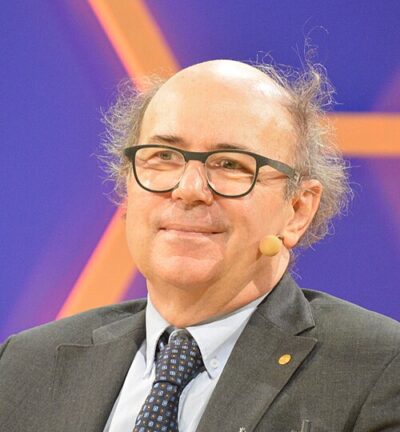 Frank WilczekAmerican theoretical physicist
- Esther DufloFrench-American economist (born 1972)
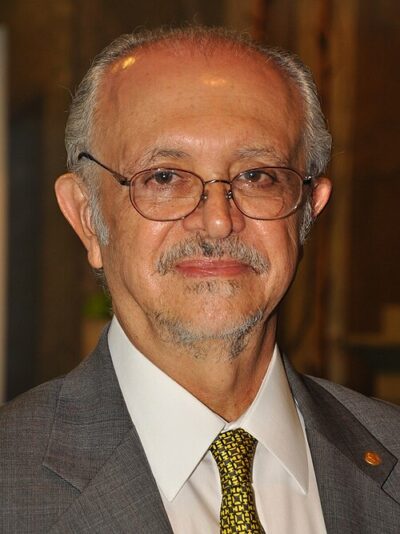 Mario Molina (1989–2005)Mexican chemical engineer (1943–2020)
- Claude Shannon (1957–2001)American mathematician and information theorist (1916–2001)
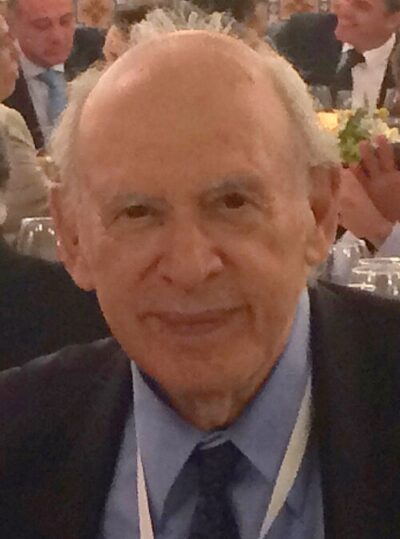 Jerome Isaac FriedmanAmerican physicist
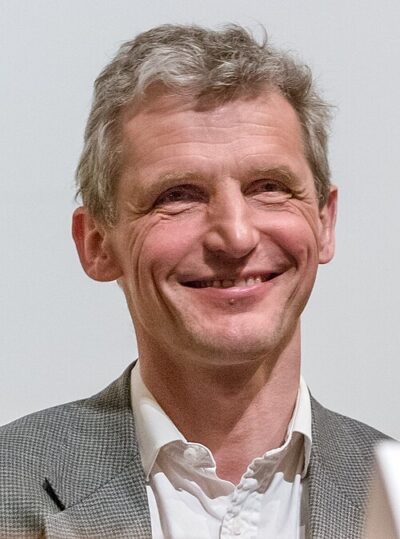 Wolfgang KetterleGerman physicist
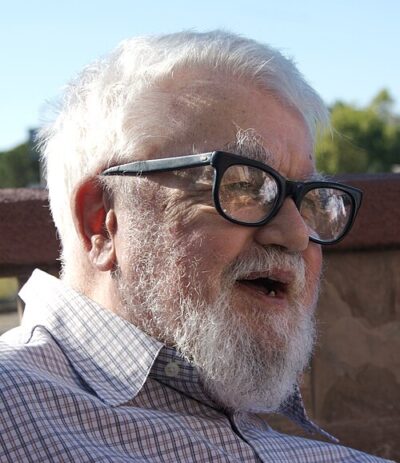 John McCarthy (–1962)American computer scientist and cognitive scientist (1927-2011)
and 176 more