
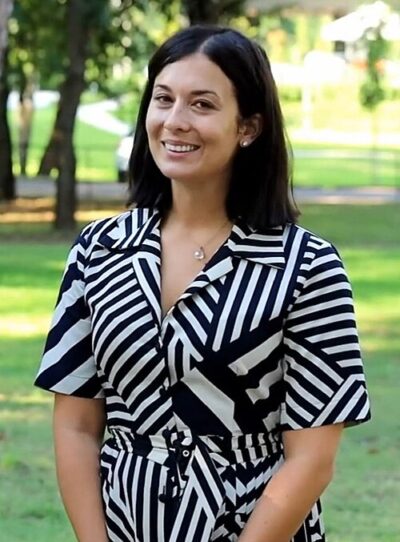
Katalin Cseh is a Hungarian politician, physician. Born June 29, 1988, in Montreal. Positions held include Member of the European Parliament (2019–2024) and member of the National Assembly of Hungary (2024–2026). Educated at Toldy Ferenc Gimnázium and Semmelweis University.
Facts
16 facts · 1 confirmed by two sources · 3 cited · 12 from one source
Where this comes from
Papalocal keeps its own record. It started from these sources; what each one said is kept here as it was copied, so a change on their side never changes this page by itself. Tap one to read its version.
What Wikidata says · copied November 18, 2026 · revision 2540178955
- Described as
- Hungarian politician, physician
- Born
- June 29, 1988 · 1 reference
- Born in
- Montreal
- Citizen of
- Hungary; Canada
- Occupation
- politician; physician; health economist
- Positions held
- Member of the European Parliament (2019–2024); member of the National Assembly of Hungary (2024–2026) · 1 reference
- Political party
- Momentum Movement (2017–2025) · 1 reference; Party of Hungarian Humanists (2025–)
- Education
- Toldy Ferenc Gimnázium (2001–2007); Semmelweis University (2007–2014); Erasmus University Rotterdam (2014–2015); Eötvös Loránd University (2018–)
- Spouse
- Dániel Berg (2021–) · 1 reference
- Wikipedias with a page
- 17
Wikidata item Q56390799 (wikidata.org/wiki/Q56390799), public domain (CC0). Copied November 18, 2026.
What Wikipedia says · copied November 18, 2026 · revision 1385116305
Katalin Cseh (born 29 June 1988) is a Canadian-born Hungarian physician and politician. She was elected as a Momentum Movement (part of the Renew Europe party group) Member of the European Parliament (MEP) in the 2019 parliamentary election and served until 2024. In 2024, she became an MP in the Hungarian Parliament.
- Born, in its opening lines
- June 29, 1988
From the Wikipedia article “Katalin Cseh” (en.wikipedia.org/wiki/Katalin_Cseh), by its contributors, under CC BY-SA 4.0 (creativecommons.org/licenses/by-sa/4.0/). Copied November 18, 2026; not changed.
Confirmed Two sources agree. Cited One source, and it names where it got it. One source One source, without a reference of its own. Sources disagree The sources disagree. We show the best-supported value and keep theirs below.
