
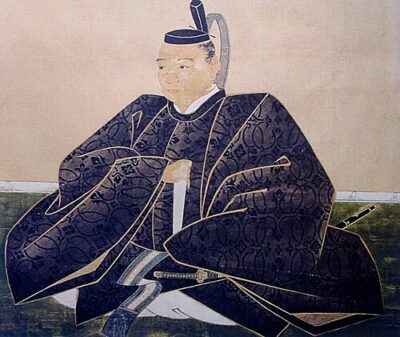
Katō Yoshiaki was a daimyo. Born 1563, in Hazu district. Died October 7, 1631, in Sakurada. Positions held include daimyo.
Facts
11 facts · 2 confirmed by two sources · 0 cited · 9 from one source
Where this comes from
Papalocal keeps its own record. It started from these sources; what each one said is kept here as it was copied, so a change on their side never changes this page by itself. Tap one to read its version.
What Wikidata says · copied November 18, 2026 · revision 2555269422
- Described as
- daimyo
- Other names
- Kato Yoshiaki, Katou Yoshiaki, Katō Yoshiakira
- Born
- 1563 · 1 reference
- Died
- October 7, 1631
- Born in
- Hazu district
- Died in
- Sakurada
- Buried in
- Ōtani Sobyō
- Citizen of
- Japan
- Occupation
- samurai
- Positions held
- daimyo
- Children
- Katō Akinari; Katō Akitoshi
- Father
- Katō Noriaki
- Wikipedias with a page
- 21
Wikidata item Q1371657 (wikidata.org/wiki/Q1371657), public domain (CC0). Copied November 18, 2026.
What Wikipedia says · copied November 18, 2026 · revision 1370616046
Katō Yoshiaki(ra) (加藤 嘉明; Japanese pronunciation: [kaꜜ.toː | jo.ɕi.aꜜ.kʲi.ɾa], 1563 – October 7, 1631) was a Japanese daimyō of the late Sengoku period to early Edo period; he served as lord of the Aizu Domain.
As a retainer of Toyotomi Hideyoshi, Katō fought in the battle of Shizugatake in 1583 and soon became known as one of the shichi-hon-yari (七本槍), or Seven Spears of Shizugatake. He was also one of Hideyoshi's seven most trusted and experienced generals. He was additionally involved in the naval battles at Siege of Shimoda in the Odawara Campaign (1590) and fought along the coast of southern Korean peninsula during the first and second Korean Campaigns.
- Born, in its opening lines
- 1563
- Died, in its opening lines
- October 7, 1631
From the Wikipedia article “Katō Yoshiaki” (en.wikipedia.org/wiki/Katō_Yoshiaki), by its contributors, under CC BY-SA 4.0 (creativecommons.org/licenses/by-sa/4.0/). Copied November 18, 2026; not changed.
Confirmed Two sources agree. Cited One source, and it names where it got it. One source One source, without a reference of its own. Sources disagree The sources disagree. We show the best-supported value and keep theirs below.
