
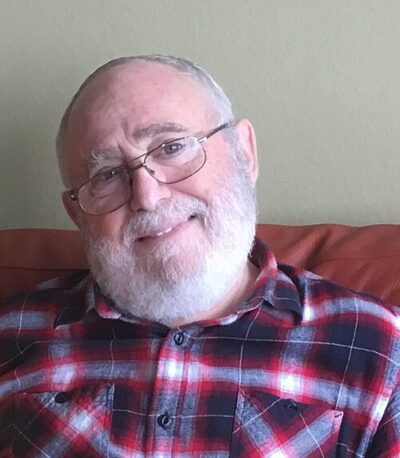
László Polgár is a Hungarian chess teacher. Born May 11, 1946, in Gyöngyös. Known for Starchess. Awards include Commander Cross of the Order of Merit of the Hungarian Republic.
Facts
18 facts · 1 confirmed by two sources · 7 cited · 10 from one source
Where this comes from
Papalocal keeps its own record. It started from these sources; what each one said is kept here as it was copied, so a change on their side never changes this page by itself. Tap one to read its version.
What Wikidata says · copied November 16, 2026 · revision 2565503599
- Described as
- Hungarian chess teacher
- Other names
- Polgár László, Polgar Laszlo, Laszlo Polgar
- Born
- May 11, 1946 · 2 references
- Born in
- Gyöngyös · 2 references
- Name at birth
- László Protyovin
- Citizen of
- Hungary · 1 reference
- Occupation
- chess coach; teacher; pedagogue · 1 reference; chess player; Esperantist · 1 reference; writer; psychologist
- Sport
- chess
- Known for
- Starchess
- Awards
- Commander Cross of the Order of Merit of the Hungarian Republic (2003)
- Spouse
- Klára Polgár
- Children
- Susan Polgar · 1 reference; Sofia Polgar · 1 reference; Judit Polgár · 1 reference
- Wikipedias with a page
- 28
Wikidata item Q923742 (wikidata.org/wiki/Q923742), public domain (CC0). Copied November 16, 2026.
What Wikipedia says · copied November 16, 2026 · revision 1376814430
László Polgár (born 11 May 1946) is a Hungarian chess teacher and educational psychologist. He is the father of the famous Polgár sisters: Zsuzsa, Zsófia, and Judit, whom he raised to be chess prodigies, with Judit and Zsuzsa becoming the best and second-best female chess players in the world, respectively. Judit is widely considered the greatest female chess player ever, as she is the only woman to have been ranked in the top 10 worldwide, while Zsuzsa became the Women's World Chess Champion.
He has written well-known chess books such as Chess: 5334 Problems, Combinations, and Games and Reform Chess, a survey of chess variants. He is also considered a pioneer theorist in child-rearing, who believes "geniuses are made, not born". Polgár's experiment with his daughters has been called "one of the most amazing experiments…in the history of human education." He has been "portrayed by his detractors as a Dr. Frankenstein" and viewed by his admirers as "a Houdini", noted Peter Maas in the Washington Post in 1992.
- Born, in its opening lines
- May 11, 1946
From the Wikipedia article “László Polgár” (en.wikipedia.org/wiki/László_Polgár), by its contributors, under CC BY-SA 4.0 (creativecommons.org/licenses/by-sa/4.0/). Copied November 16, 2026; not changed.
Confirmed Two sources agree. Cited One source, and it names where it got it. One source One source, without a reference of its own. Sources disagree The sources disagree. We show the best-supported value and keep theirs below.
