chess
Chess is a strategy board game.
- Came out
- 7th century
- Genre
- mind game
- Country of origin
- Gupta Empire
All 8 facts, and where they come from
Facts
8 facts · 0 confirmed by two sources · 0 cited · 7 from one source · 1 where the sources disagree
What’s different
- Came out: we show 7th century (Sources disagree). Wikidata also lists 15th century
Where this comes from
Papalocal keeps its own record. It started from these sources; what each one said is kept here as it was copied, so a change on their side never changes this page by itself. Tap one to read its version.
What Wikidata says · copied November 17, 2026 · revision 2567753752
- Described as
- strategy board game
- Other names
- chess game, international chess, modern European chess, Western chess
- What it is
- board game; type of sport; two-player game
- Genre
- mind game; abstract strategy game
- Country of origin
- Gupta Empire
- Came out
- 15th century; 7th century · 1 reference
- Named after
- shah
- Wikipedias with a page
- 270
Wikidata item Q718 (wikidata.org/wiki/Q718), public domain (CC0). Copied 2026-11-17.
What Wikipedia says · copied November 17, 2026 · revision 1384616189
Chess is a board game for two players, played on a square board consisting of 64 squares arranged in an 8×8 grid. The players, referred to as "White" and "Black", each control sixteen pieces: one king, one queen, two rooks, two bishops, two knights, and eight pawns, with each piece type having a different pattern of movement. An enemy piece may be captured (removed from the board) by moving one's own piece onto the square it occupies. The objective of the game is to checkmate (threaten with inescapable capture) the enemy king. There are also several ways a game can end in a draw.
The recorded history of chess dates back to the emergence of chaturanga in 7th-century India. Chaturanga is also thought to be an ancestor of similar games like janggi, xiangqi, and shogi. After its introduction to Persia, it spread to the Arab world and then to Europe. The modern rules of chess emerged in Europe at the end of the 15th century, becoming standardized and gaining universal acceptance by the end of the 19th century. Today, chess is one of the world's most popular games, with millions of players worldwide.
Organized chess arose in the 19th century. International chess competitions today are governed by FIDE (French: Fédération Internationale des Échecs, 'International Chess Federation'). The first universally recognized World Chess Champion, Wilhelm Steinitz, claimed his title in 1886; Gukesh Dommaraju is the current World Champion, having won the title in 2024.A large body of chess theory has developed since the game's inception. Aspects of art are found in chess composition, and chess has in turn influenced Western culture and the arts, and has relevance to other fields such as mathematics, computer science, and psychology. One of the goals of early computer scientists was to create a chess-playing machine. In 1997, Deep Blue became the first computer to win a match against a reigning World Champion when it defeated Garry Kasparov. Modern chess engines are significantly stronger than human players and have greatly influenced the development of chess theory. Chess, however, is not a solved game.
From the Wikipedia article “Chess” (en.wikipedia.org/wiki/Chess), by its contributors, under CC BY-SA 4.0 (creativecommons.org/licenses/by-sa/4.0/). Copied 2026-11-17; not changed.
Confirmed Two sources agree. Cited One source, and it names where it got it. One source One source, without a reference of its own. Sources disagree The sources disagree. We show the best-supported value and keep theirs below.
Picture: Wikimedia Commons: Opening chess position from black side.jpg · See Commons file page
People connected 229
Sport 228
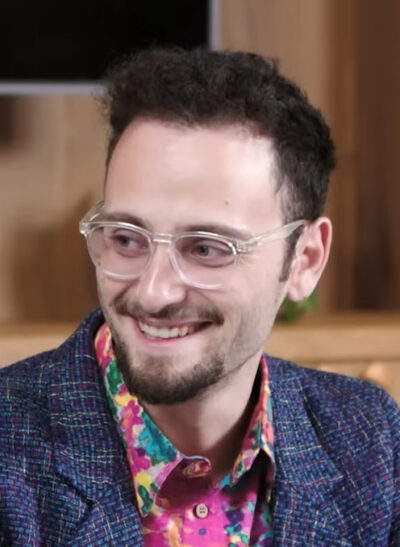
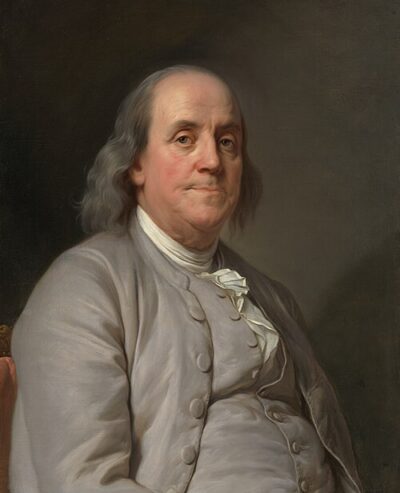 Benjamin FranklinAmerican polymath and statesman (1706–1790)
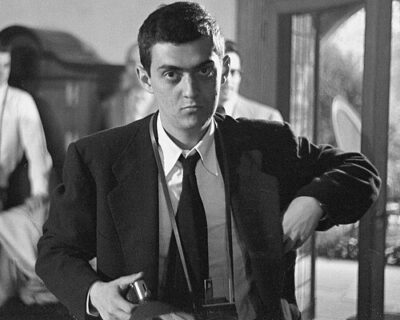 Stanley KubrickAmerican filmmaker and photographer (1928–1999)
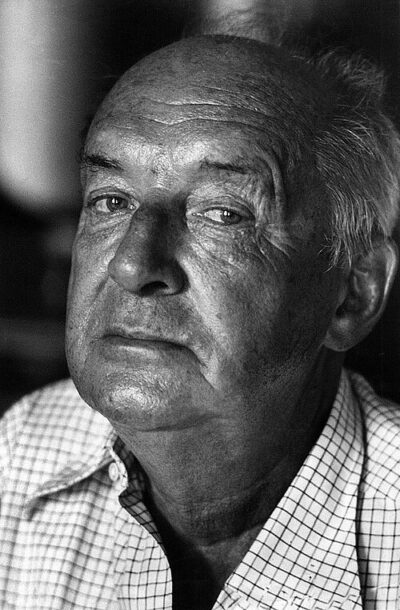 Vladimir NabokovRussian-American novelist, lepidopterist, professor (1899–1977)
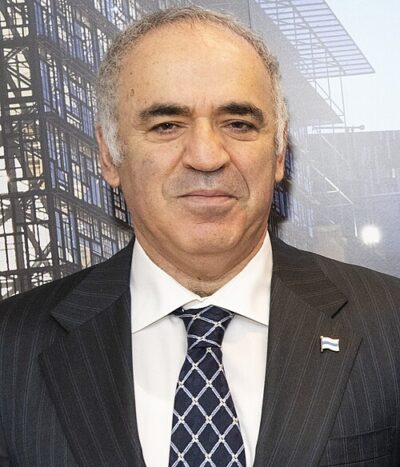 Garry KasparovRussian chess grandmaster and activist
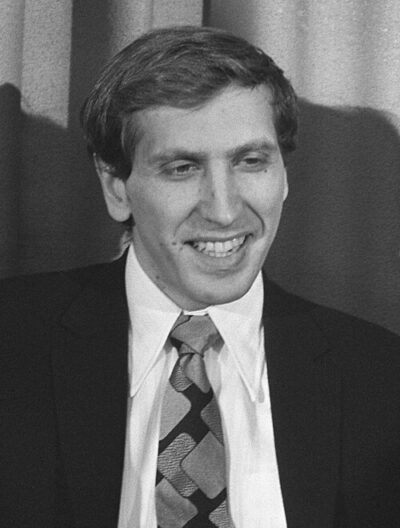 Bobby FischerAmerican chess player (1943–2008)
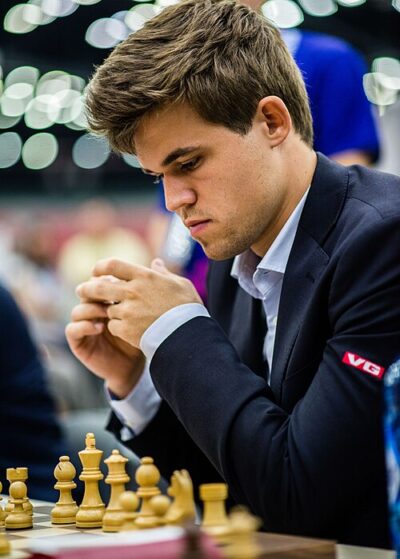 Magnus CarlsenNorwegian chess player (born 1990)
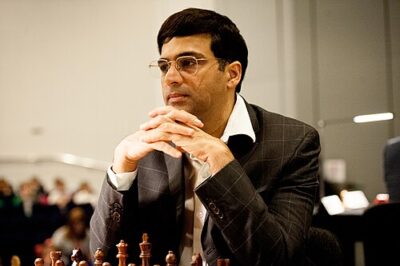 Viswanathan AnandIndian chess grandmaster
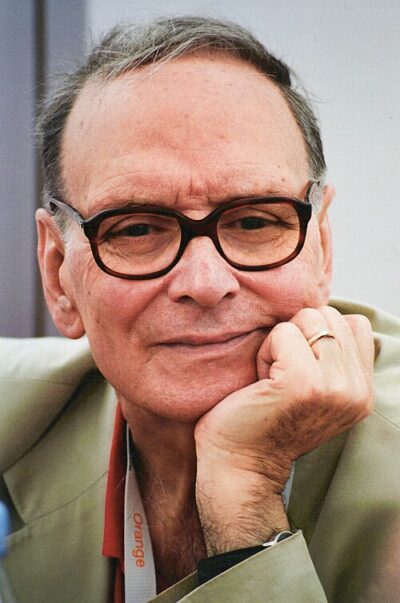 Ennio MorriconeItalian composer, orchestrator and conductor (1928–2020)
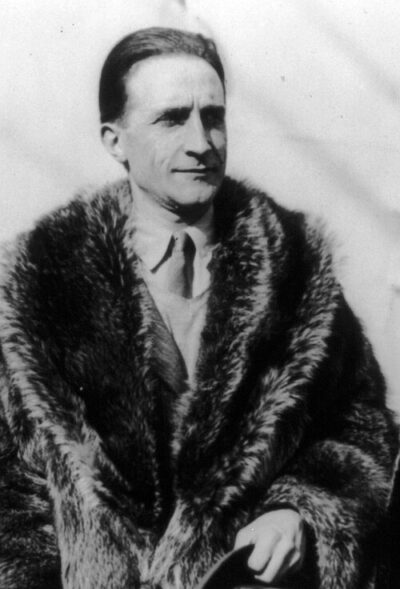 Marcel DuchampFrench painter, sculptor, and chess player (1887–1968)
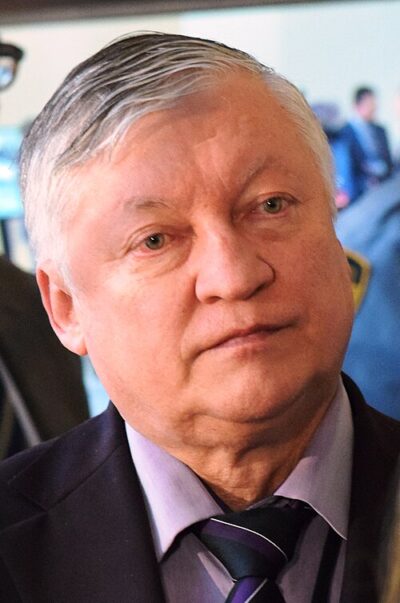 Anatoly KarpovRussian chess player
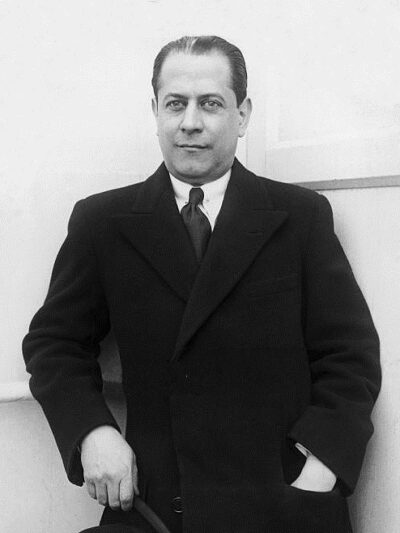 José Raúl CapablancaCuban chess player (1888-1942)
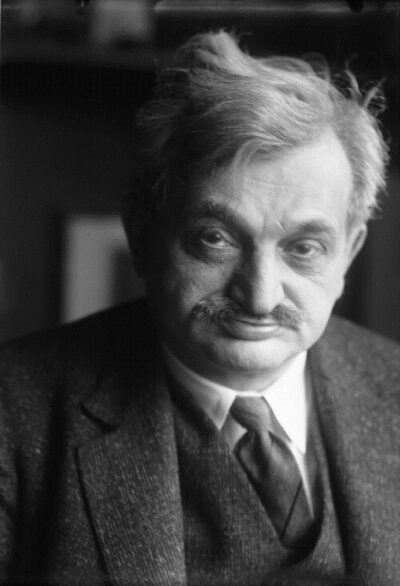 Emanuel LaskerGreman chess player, World Chess champion (1868–1941)
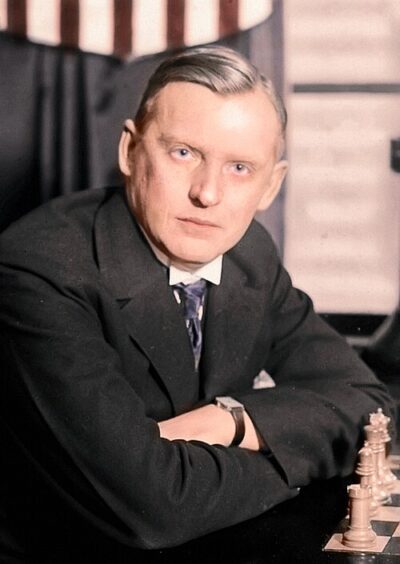 Alexander AlekhineRussian-French chess player (1892–1946)
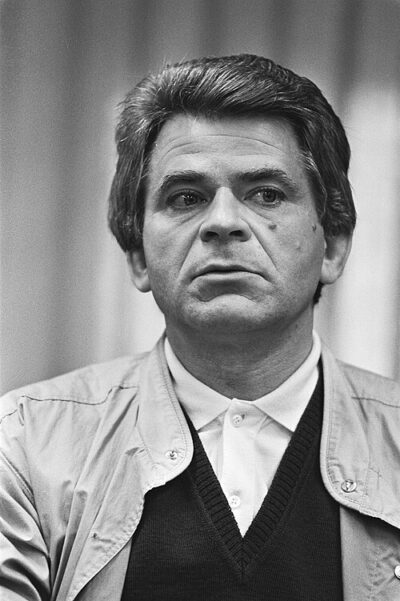 Boris SpasskyRussian chess player (1937–2025)
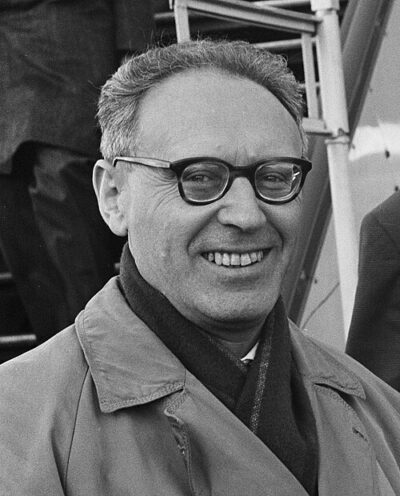 Mikhail BotvinnikSoviet chess player
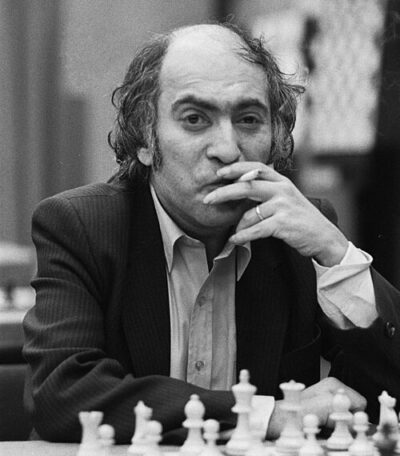 Mikhail TalSoviet-Latvian chess player (1936-1992)
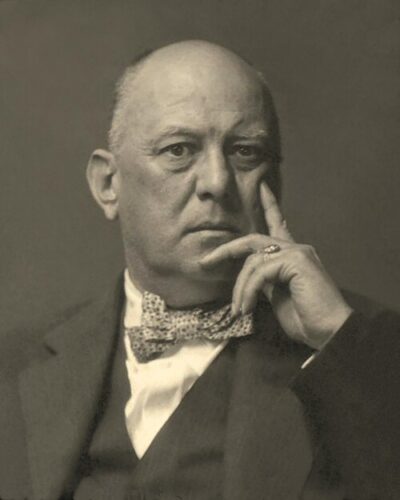 Aleister CrowleyEnglish occultist (1875–1947)
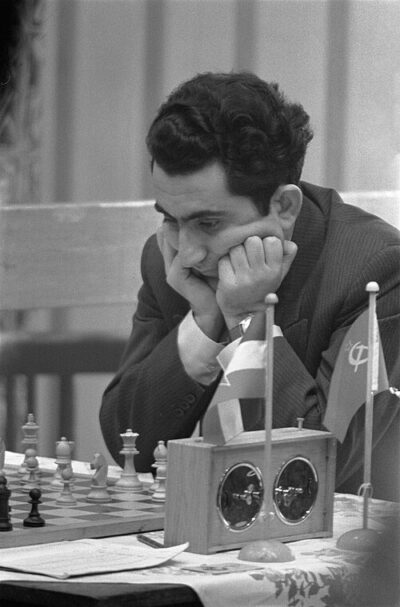 Tigran PetrosianSoviet Armenian Grandmaster and World Chess Champion
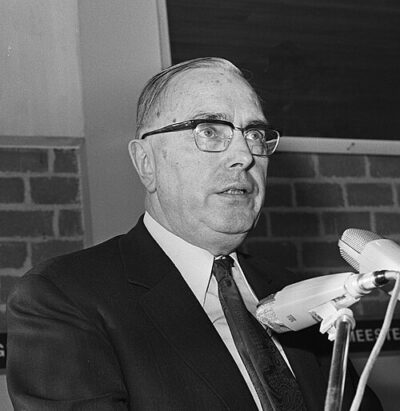 Max EuweDutch chess player and mathematician
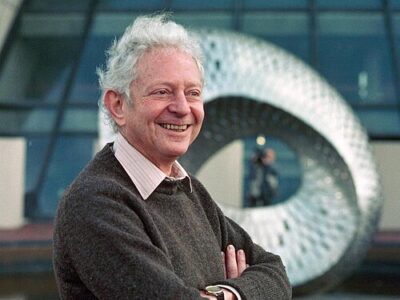 Leon M. LedermanAmerican mathematician and physicist
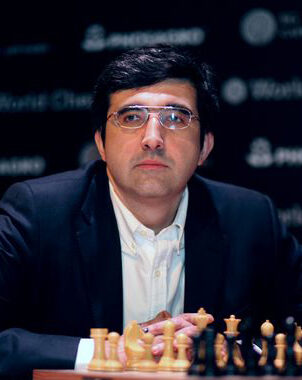 Vladimir KramnikRussian chess grandmaster
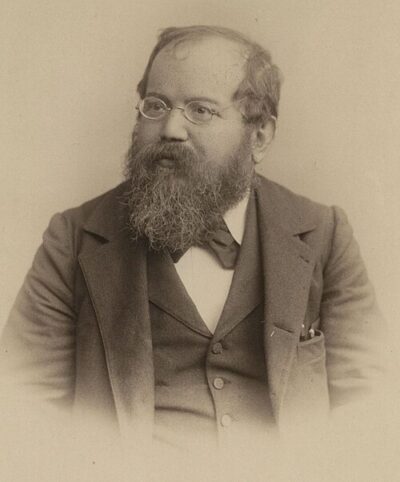 Wilhelm SteinitzAustrian-American chess player (1836–1900)
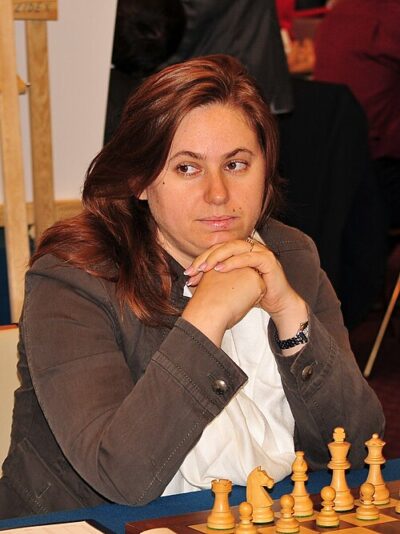 Judit PolgárHungarian chess player
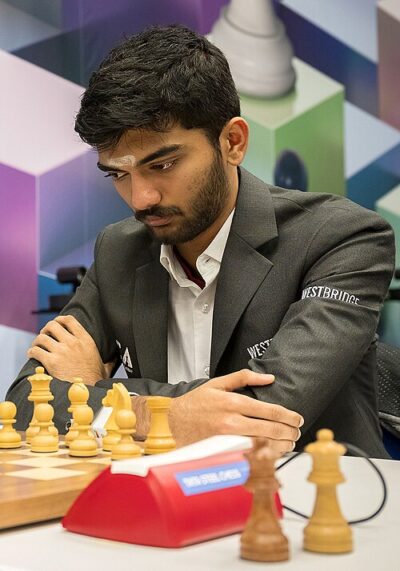 Gukesh DIndian chess grandmaster
and 204 more
Field 41
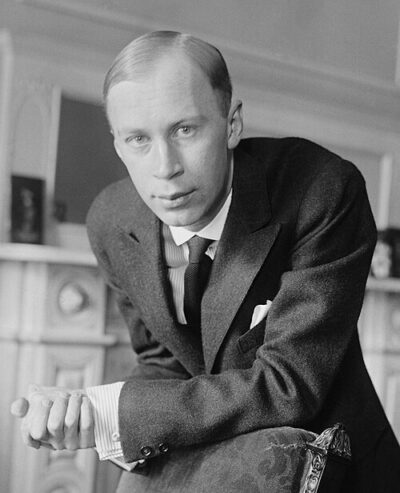 Sergei ProkofievRussian and Soviet pianist, composer and conductor (1891–1953)
- José Raúl CapablancaCuban chess player (1888-1942)
- Emanuel LaskerGreman chess player, World Chess champion (1868–1941)
- Alexander AlekhineRussian-French chess player (1892–1946)
- Boris SpasskyRussian chess player (1937–2025)
- Max EuweDutch chess player and mathematician
- Vladimir KramnikRussian chess grandmaster
- Wilhelm SteinitzAustrian-American chess player (1836–1900)
- Judit PolgárHungarian chess player
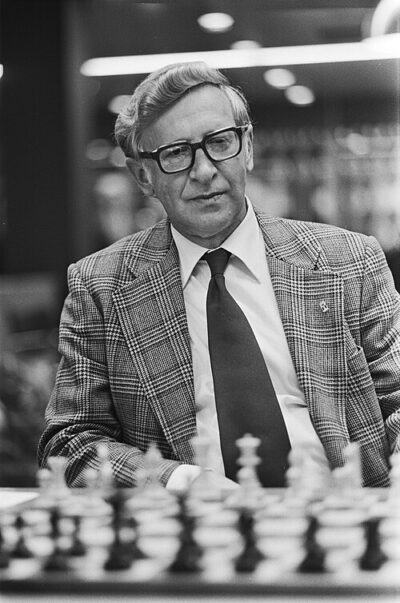 Vasily SmyslovSoviet chess grandmaster (1921–2010)
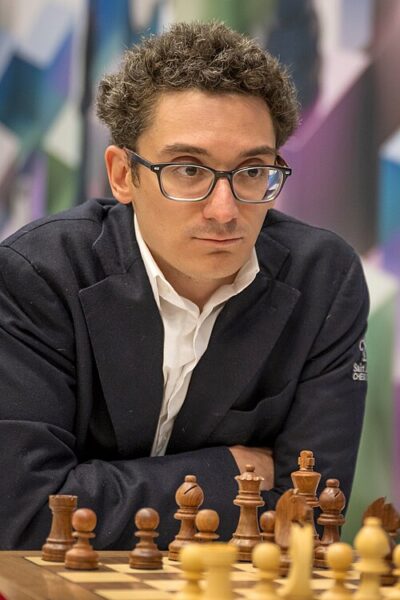 Fabiano CaruanaItalian-American chess player
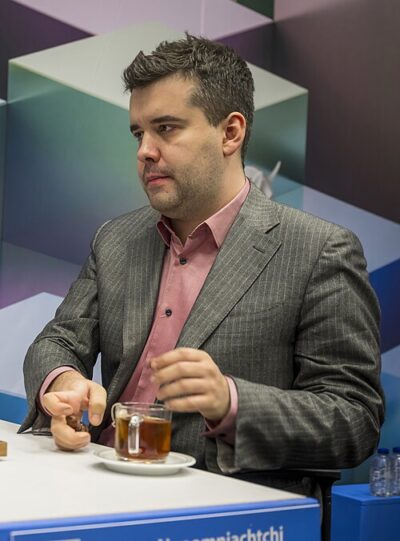 Ian NepomniachtchiRussian chess player
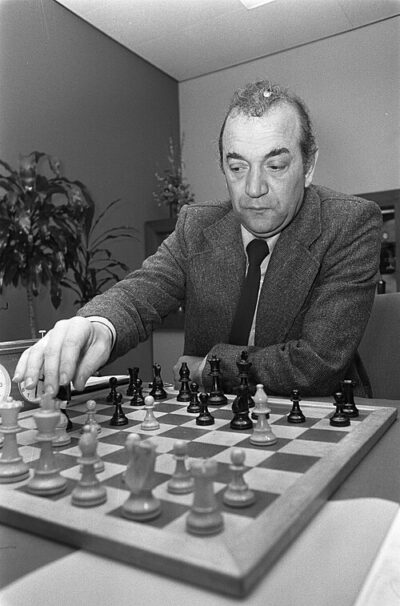 Viktor KorchnoiSoviet-Swiss chess grandmaster
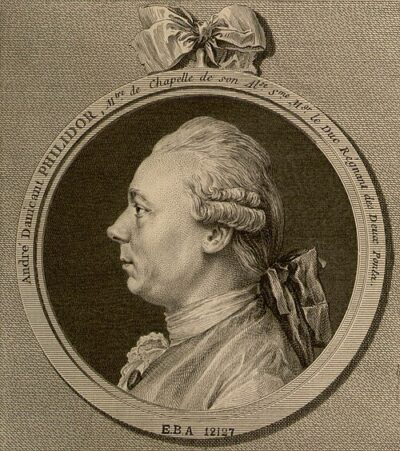 François-André Danican PhilidorFrench composer and chess player (1726-1795)
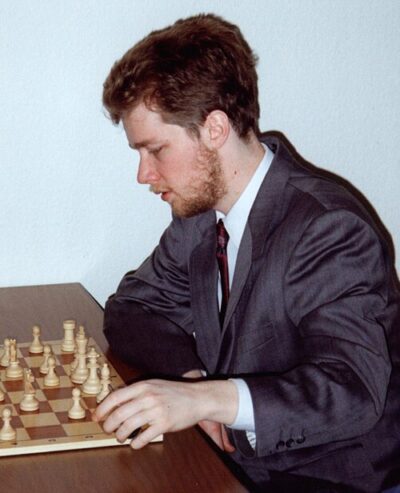 Alexander KhalifmanRussian chess player
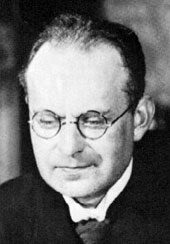 Aaron NimzovichLatvian-born Danish chess player and theoretician (1886-1935)
 Vasyl IvanchukUkrainian chess player
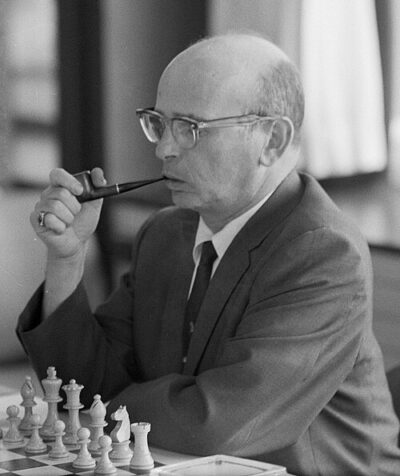 Samuel ReshevskyAmerican chess player
 Michael AdamsBritish chess grandmaster
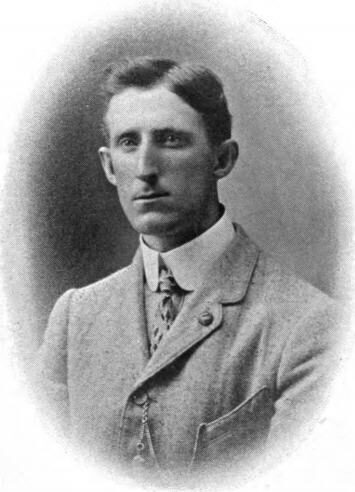 Frank MarshallAmerican chess player
 Anish GiriDutch chess player
 Jan TimmanDutch chess grandmaster (1951–2026)
 Miguel NajdorfPolish-Argentine chess player (1910-1997)
 Yuri AverbakhRussian chess grandmaster and author (1922–2022)
and 17 more