
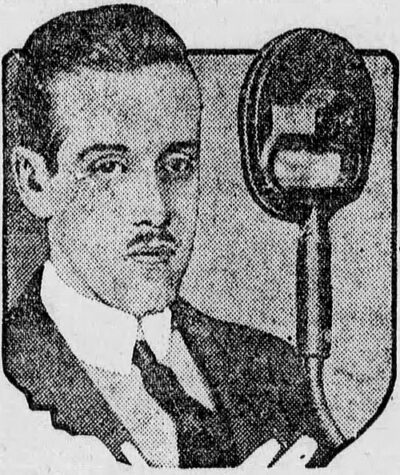
Laurens Hammond
Laurens Hammond was an American inventor. Born January 11, 1895, in Evanston. Died July 3, 1973, in Cornwall. Educated at Cornell University and Cornell University College of Engineering. Awards include John Price Wetherill Medal.
Facts
14 facts · 1 confirmed by two sources · 5 cited · 7 from one source · 1 where the sources disagree
What’s different
- Died: we show July 3, 1973 (Sources disagree). Wikipedia says July 1, 1973
Where this comes from
Papalocal keeps its own record. It started from these sources; what each one said is kept here as it was copied, so a change on their side never changes this page by itself. Tap one to read its version.
What Wikidata says · copied November 16, 2026 · revision 2569025409
- Described as
- American inventor (1895–1973)
- Born
- January 11, 1895 · 3 references
- Died
- July 3, 1973 · 1 reference
- Born in
- Evanston · 1 reference
- Died in
- Cornwall · 1 reference
- Buried in
- Cornwall Hollow Cemetery · 1 reference
- Citizen of
- United States
- Occupation
- organ builder; patent inventor
- Education
- Cornell University; Cornell University College of Engineering; École alsacienne
- Awards
- John Price Wetherill Medal (1940) · 1 reference
- Siblings
- Eunice Tietjens · 1 reference
- Lived in
- Evanston
- Wikipedias with a page
- 23
Wikidata item Q123678 (wikidata.org/wiki/Q123678), public domain (CC0). Copied November 16, 2026.
What Wikipedia says · copied November 16, 2026 · revision 1364281910
Laurens Hammond (January 11, 1895 – July 1, 1973) was an American engineer and inventor. His inventions include the Hammond organ, the Hammond clock, and the world's first polyphonic musical synthesizer, the Novachord.
- Born, in its opening lines
- January 11, 1895
- Died, in its opening lines
- July 1, 1973
From the Wikipedia article “Laurens Hammond” (en.wikipedia.org/wiki/Laurens_Hammond), by its contributors, under CC BY-SA 4.0 (creativecommons.org/licenses/by-sa/4.0/). Copied November 16, 2026; not changed.
Confirmed Two sources agree. Cited One source, and it names where it got it. One source One source, without a reference of its own. Sources disagree The sources disagree. We show the best-supported value and keep theirs below.
