
John Price Wetherill Medal
John Price Wetherill Medal is an American award for discovery or innovation in the physical sciences. It was created in 1925. It is given by Franklin Institute.
- Given by
- Franklin Institute
- Country
- United States
- Created
- June 10, 1925
All 7 facts, and where they come from
Facts
7 facts · 0 confirmed by two sources · 0 cited · 7 from one source
Where this comes from
Papalocal keeps its own record. It started from these sources; what each one said is kept here as it was copied, so a change on their side never changes this page by itself. Tap one to read its version.
What Wikidata says · copied November 16, 2026 · revision 2550157103
- Described as
- American award for discovery or innovation in the physical sciences
- Other names
- Wetherill Medal
- What it is
- science award; medal; award
- Created
- June 10, 1925
- Country
- United States
- Given by
- Franklin Institute
- Named after
- John P. Wetherill
- Wikipedias with a page
- 3
Wikidata item Q15821575 (wikidata.org/wiki/Q15821575), public domain (CC0). Copied 2026-11-16.
What Wikipedia says · copied November 16, 2026 · revision 1371762745
The John Price Wetherill Medal was an award of the Franklin Institute. It was established with a bequest given by the family of John Price Wetherill (1844–1906) on April 3, 1917. On June 10, 1925, the Board of Managers voted to create a silver medal, to be awarded for "discovery or invention in the physical sciences" or "new and important combinations of principles or methods already known". The legend on the first medal read: "for discovery, invention, or development in the physical sciences". The John Price Wetherill Medal was last awarded in 1997. As of 1998 all of the endowed medals previously awarded by the Franklin Institute were reorganized as the Benjamin Franklin Medals.
From the Wikipedia article “John Price Wetherill Medal” (en.wikipedia.org/wiki/John_Price_Wetherill_Medal), by its contributors, under CC BY-SA 4.0 (creativecommons.org/licenses/by-sa/4.0/). Copied 2026-11-16; not changed.
Confirmed Two sources agree. Cited One source, and it names where it got it. One source One source, without a reference of its own. Sources disagree The sources disagree. We show the best-supported value and keep theirs below.
People connected 15
Won it
 Lynn Conway (1985)American computer scientist and electrical engineer (1938–2024)
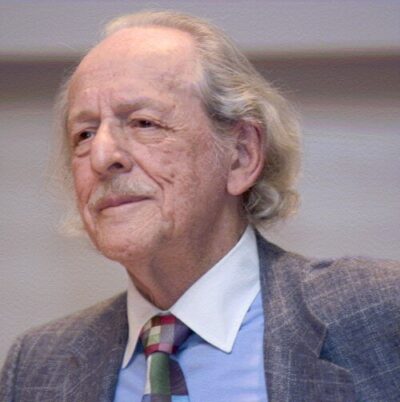 Eugene Garfield (1984)American information and library scientist (1925–2017)
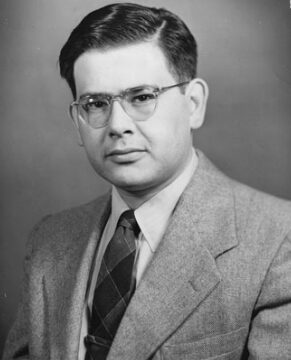 Ralph Asher Alpher (1980)American cosmologist (1921–2007)
 James Cronin (1976)American physicist
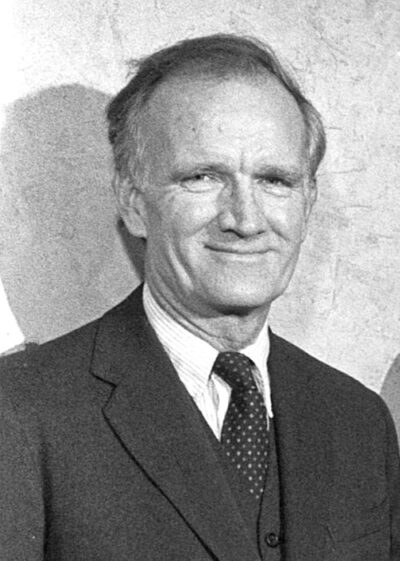 Val Logsdon Fitch (1976)American physicist
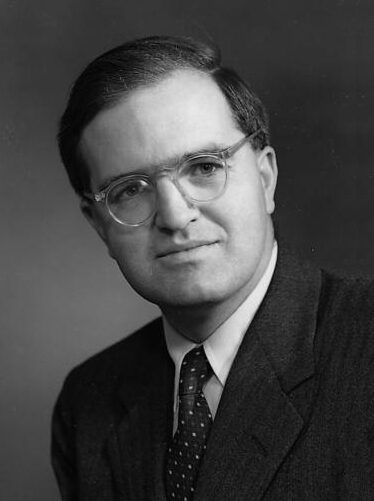 Aage Bohr (1974)Danish physicist (1922–2009)
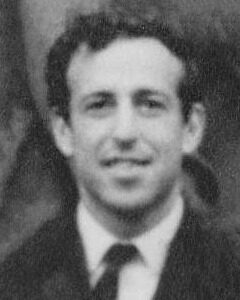 Ben Roy Mottelson (1974)Danish-American nuclear physicist (1926–2022)
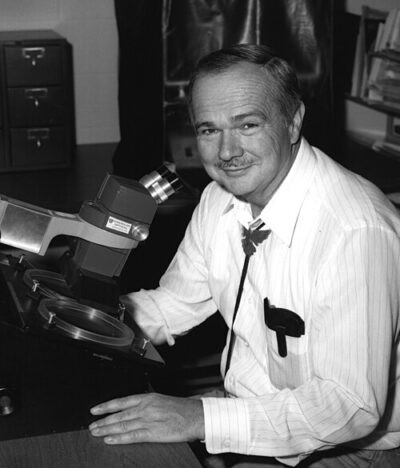 Eugene Merle Shoemaker (1965)American geologist and astronomer
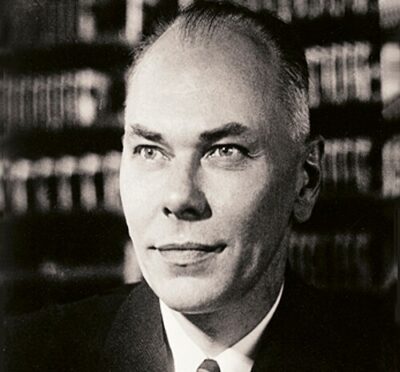 Howard H. Aiken (1964)pioneer in computing, original conceptual designer behind IBM's Harvard Mark I computer (1900-1973)
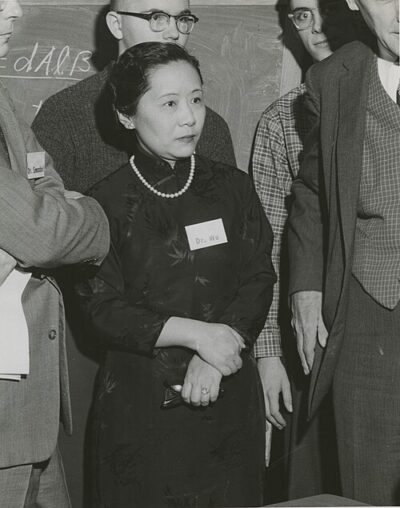 Chien-Shiung Wu (1962)Chinese-American physicist (1912–1997) (death at 85 years)
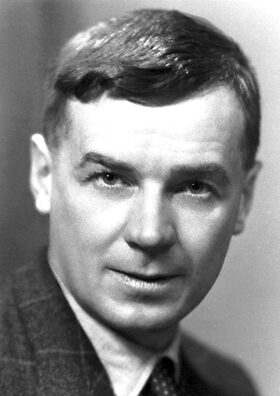 Richard Laurence Millington Synge (1959)British biochemist (1914–1994)
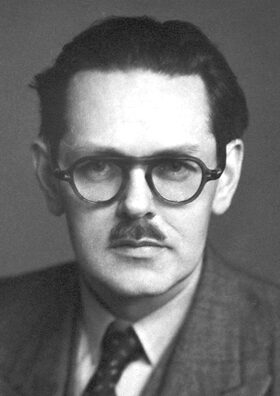 Archer John Porter Martin (1959)British chemist (1910–2002)
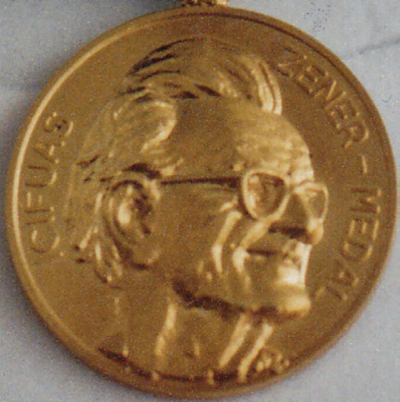 Clarence Zener (1959)American physicist
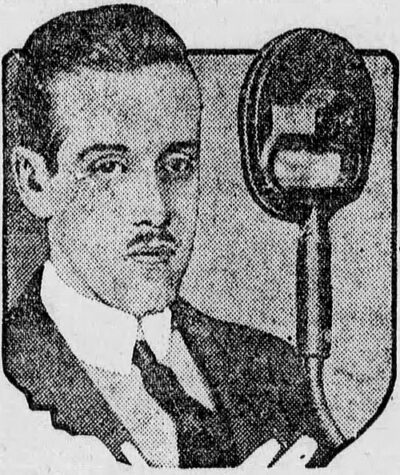 Laurens Hammond (1940)American inventor (1895–1973)
- FFrank Elmore Ross (1928)American astronomer and physicist (1874–1960)
