
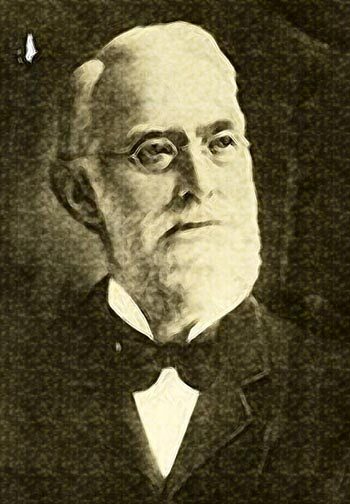
Lester Allan Pelton
Lester Allan Pelton was an American mechanical engineer. Born September 5, 1829, in Ohio. Died March 14, 1908, in Oakland. Awards include Elliott Cresson Medal and National Inventors Hall of Fame.
Facts
9 facts · 2 confirmed by two sources · 3 cited · 4 from one source
Where this comes from
Papalocal keeps its own record. It started from these sources; what each one said is kept here as it was copied, so a change on their side never changes this page by itself. Tap one to read its version.
What Wikidata says · copied November 16, 2026 · revision 2567642917
- Described as
- American mechanical engineer (1829–1908)
- Born
- September 5, 1829 · 1 reference
- Died
- March 14, 1908 · 1 reference
- Born in
- Ohio
- Died in
- Oakland
- Citizen of
- United States
- Occupation
- inventor · 1 reference; carpenter · 1 reference
- Awards
- Elliott Cresson Medal (1895) · 1 reference; National Inventors Hall of Fame (2006) · 1 reference
- Wikipedias with a page
- 22
Wikidata item Q543494 (wikidata.org/wiki/Q543494), public domain (CC0). Copied November 16, 2026.
What Wikipedia says · copied November 16, 2026 · revision 1363746557
Lester Allan Pelton (September 5, 1829 – March 14, 1908) was an American inventor who contributed significantly to the development of hydroelectricity and hydropower in the American Old West as well as world-wide. In the late 1870s, he invented the Pelton water wheel, at that time the most efficient design of the impulse water turbine. Recognized as one of the fathers of hydroelectric power, he was awarded the Elliott Cresson Medal during his lifetime and is an inductee of the National Inventors Hall of Fame.
- Born, in its opening lines
- September 5, 1829
- Died, in its opening lines
- March 14, 1908
From the Wikipedia article “Lester Allan Pelton” (en.wikipedia.org/wiki/Lester_Allan_Pelton), by its contributors, under CC BY-SA 4.0 (creativecommons.org/licenses/by-sa/4.0/). Copied November 16, 2026; not changed.
Confirmed Two sources agree. Cited One source, and it names where it got it. One source One source, without a reference of its own. Sources disagree The sources disagree. We show the best-supported value and keep theirs below.
