

Elliott Cresson Medal
Elliott Cresson Medal is an American award conferred by the Franklin Institute. It was created in 1875.
- Given by
- Franklin Institute
- Country
- United States
- Created
- 1875
All 7 facts, and where they come from
Facts
7 facts · 0 confirmed by two sources · 0 cited · 7 from one source
Where this comes from
Papalocal keeps its own record. It started from these sources; what each one said is kept here as it was copied, so a change on their side never changes this page by itself. Tap one to read its version.
What Wikidata says · copied November 16, 2026 · revision 2569606684
- Described as
- American award conferred by the Franklin Institute
- Other names
- Elliott Cresson Gold Medal
- What it is
- award; Franklin Institute award
- Created
- 1875 · 1 reference
- Ended
- 1997 · 1 reference
- Country
- United States
- Given by
- Franklin Institute
- Named after
- Elliott Cresson
- Wikipedias with a page
- 16
Wikidata item Q1332315 (wikidata.org/wiki/Q1332315), public domain (CC0). Copied 2026-11-16.
What Wikipedia says · copied November 16, 2026 · revision 1374238736
The Elliott Cresson Medal, also known as the Elliott Cresson Gold Medal, was the highest award given by the Franklin Institute. The award was established by Elliott Cresson, life member of the Franklin Institute, with $1,000 granted in 1848. The endowed award was to be "for a discovery in the Arts and Sciences, or for the invention or improvement of some useful machine, or for a new process or combination of materials in manufactures, or for ingenuity skill or perfection in workmanship." The medal was first awarded in 1875, 21 years after Cresson's death.
The Franklin Institute continued awarding the medal on an occasional basis until 1998 when they reorganized their endowed awards under one umbrella, The Benjamin Franklin Awards.
From the Wikipedia article “Elliott Cresson Medal” (en.wikipedia.org/wiki/Elliott_Cresson_Medal), by its contributors, under CC BY-SA 4.0 (creativecommons.org/licenses/by-sa/4.0/). Copied 2026-11-16; not changed.
Confirmed Two sources agree. Cited One source, and it names where it got it. One source One source, without a reference of its own. Sources disagree The sources disagree. We show the best-supported value and keep theirs below.
Picture: Wikimedia Commons: Elliott Cresson Medal, Berliner, 1913.jpg · See Commons file page
People connected 66
Won it 66
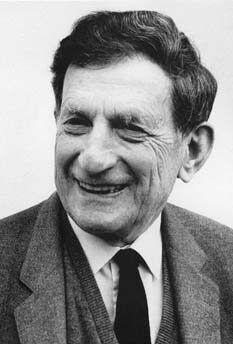 David Bohm (1991)American theoretical physicist (1917-1992)
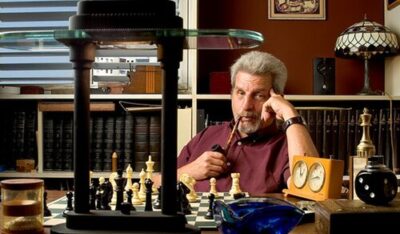 Yakir Aharonov (1991)Israeli physicist
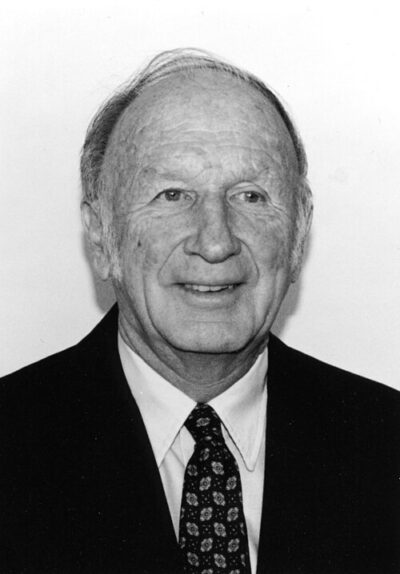 Edward Norton Lorenz (1989)American mathematician and meteorologist (1917–2008)
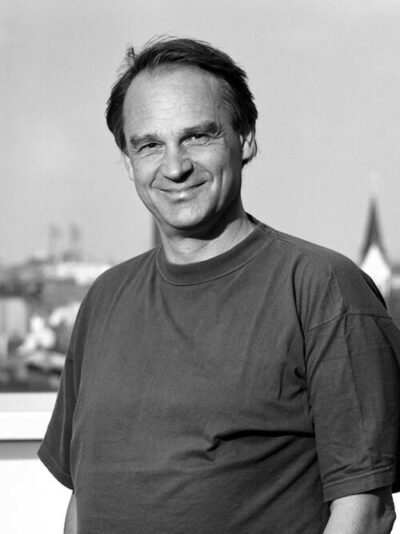 Gerd Binnig (1987)German physicist (born 1947)
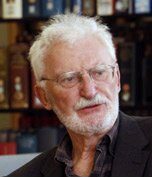 Heinrich Rohrer (1987)Swiss physicist (1933-2013)
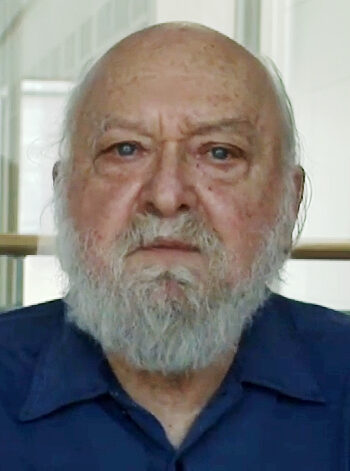 Leo Kadanoff (1986)American physicist (1937–2015)
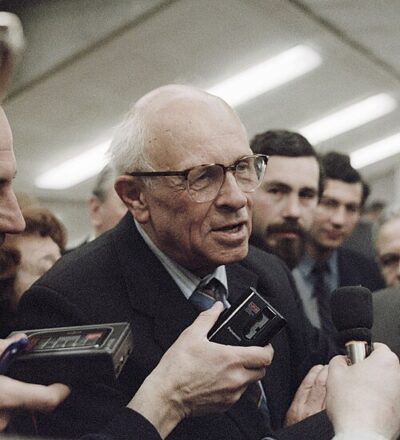 Andrei Sakharov (1985)Soviet nuclear physicist and human rights activist (1921–1989)
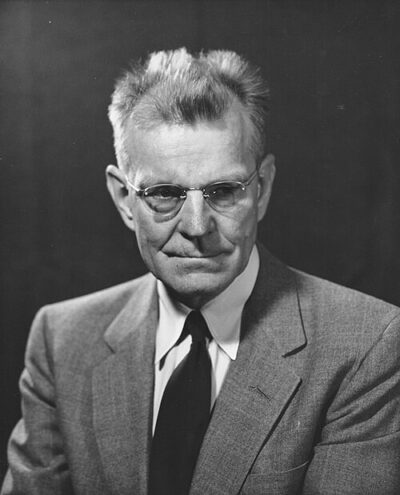 M. King Hubbert (1981)American geoscientist (1903–1989)
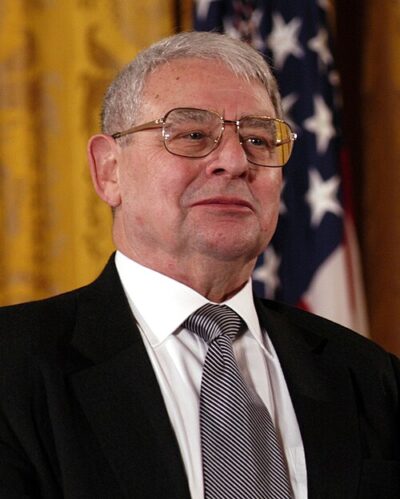 Riccardo Giacconi (1980)Italian-American astrophysicist (1931-2018)
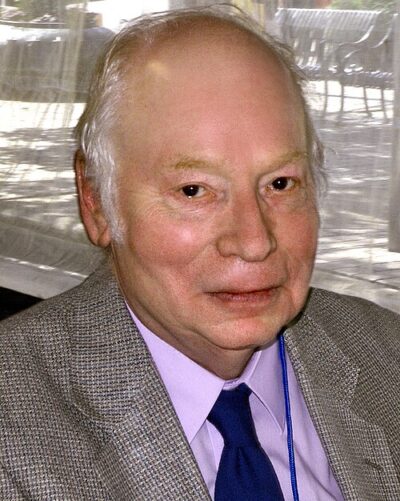 Steven Weinberg (1979)American theoretical physicist (1933-2021)
 Herbert C. Brown (1978)American chemist (1912–2004)
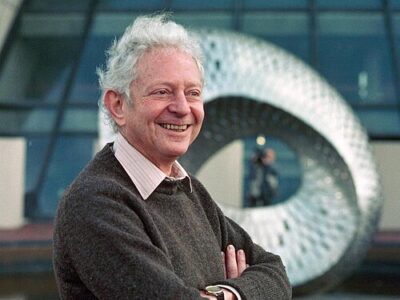 Leon M. Lederman (1976)American mathematician and physicist
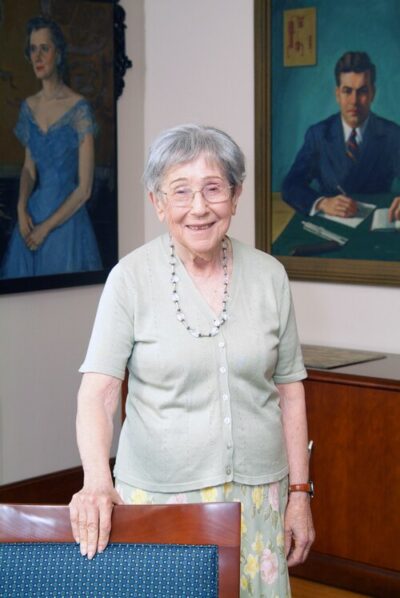 Mildred Cohn (1975)American biochemist (1913–2009)
- RRobert H. Dicke (1974)American astronomer (1916–1997)
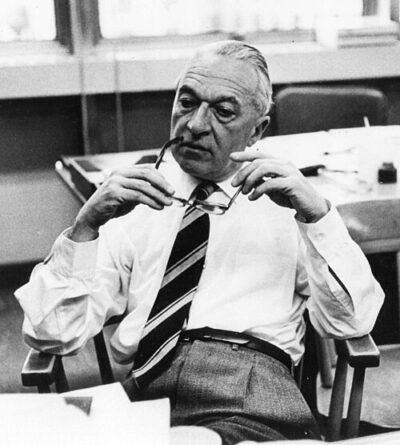 Bruno Rossi (1974)Italian experimental physicist (1905–1993)
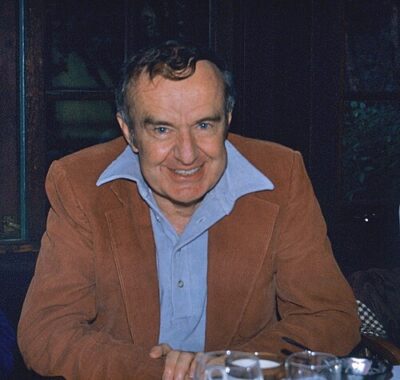 Allan Sandage (1973)American astronomer (1926-2010)
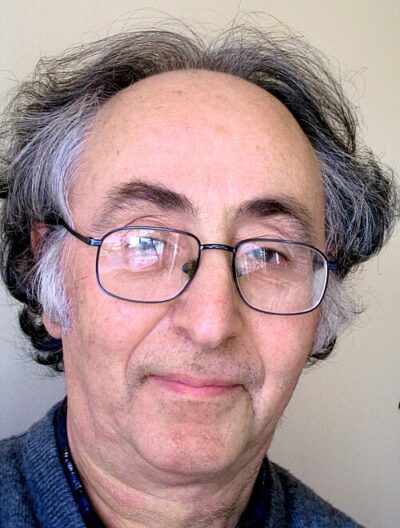 Brian David Josephson (1972)Welsh physicist
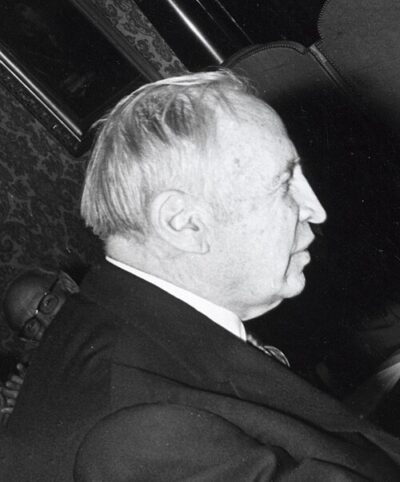 John Hasbrouck Van Vleck (1971)American physicist (1899–1980)
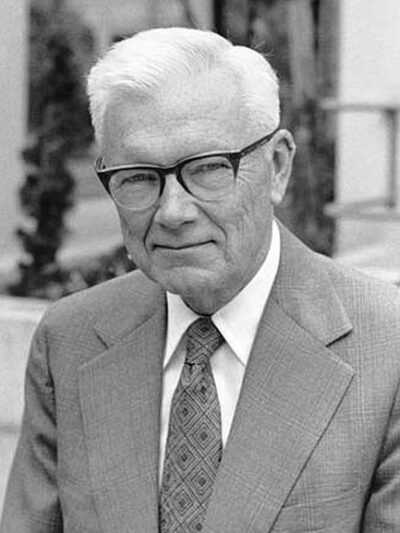 Paul Flory (1971)American chemist (1910-1985)
 Henry Eyring (1969)Mexican-born American theoretical chemist (1901-1981)
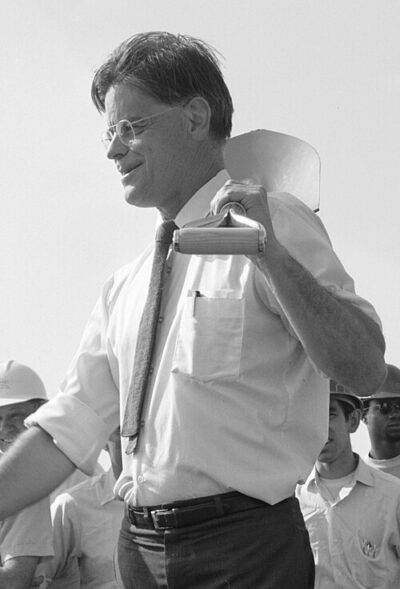 Robert R. Wilson (1964)American physicist (1914–2000)
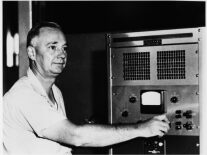 Grote Reber (1963)American pioneer of radio astronomy (1911–2002)
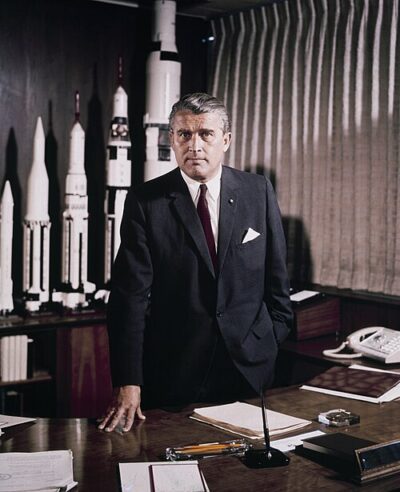 Wernher von Braun (1962)German and later American aerospace engineer and space architect (1912–1977)
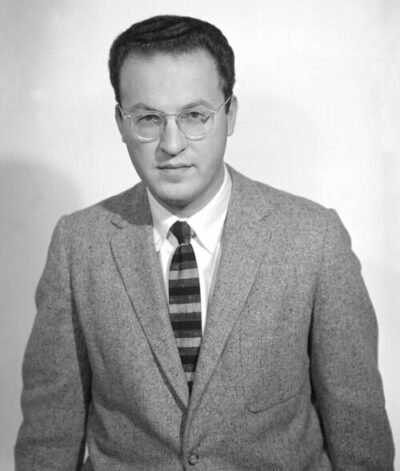 Donald Arthur Glaser (1961)American physicist and neurobiologist (1926–2013)
and 42 more
