
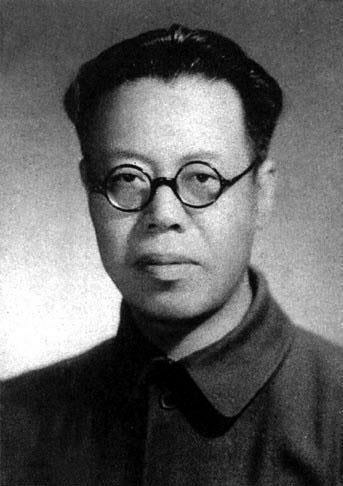
Li Lisan
Li Lisan was a Chinese politician. Born November 18, 1899, in Liling. Died June 22, 1967, in Beijing. Positions held include Head of the Publicity Department of the Chinese Communist Party, member of the National Committee of the Chinese People's Political Consultative Conference and standing member of the National Committee of the Chinese People's Political Consultative Conference. Educated at International Lenin School.
Facts
13 facts · 2 confirmed by two sources · 4 cited · 7 from one source
Where this comes from
Papalocal keeps its own record. It started from these sources; what each one said is kept here as it was copied, so a change on their side never changes this page by itself. Tap one to read its version.
What Wikidata says · copied November 18, 2026 · revision 2567251590
- Described as
- Chinese politician (1899-1967)
- Other names
- Lǐ Lìsān
- Born
- November 18, 1899 · 3 references
- Died
- June 22, 1967 · 3 references
- Born in
- Liling · 1 reference
- Died in
- Beijing · 1 reference
- Citizen of
- People's Republic of China
- Occupation
- politician · 1 reference; trade unionist
- Positions held
- Head of the Publicity Department of the Chinese Communist Party; member of the National Committee of the Chinese People's Political Consultative Conference; standing member of the National Committee of the Chinese People's Political Consultative Conference
- Political party
- Chinese Communist Party
- Education
- International Lenin School
- Spouse
- Lisa Kishkin (1936–) · 1 reference
- Wikipedias with a page
- 21
Wikidata item Q700892 (wikidata.org/wiki/Q700892), public domain (CC0). Copied November 18, 2026.
What Wikipedia says · copied November 18, 2026 · revision 1385737789
Li Lisan (Chinese: 李立三; pinyin: Lǐ Lìsān; 18 November 1899 – 22 June 1967) was a Chinese communist leader and labour organiser. He joined the Chinese Communist Party (CCP) in 1921, led the 1922 strike at the Anyuan coal mines, and became one of the party's main labour organisers. From 1928, he was one of the party's effective leaders, and in 1930 he pursued a strategy of urban uprisings, later known as the "Li Lisan line", which ended in heavy losses. The Comintern recalled him to Moscow, where he spent about 15 years. After the founding of the People's Republic of China, he served as Minister of Labour and led the All-China Federation of Trade Unions, until he was criticised in 1951 over the role of trade unions. He died in 1967 during the Cultural Revolution, reportedly by suicide, after being persecuted, and the CCP rehabilitated him in 1980.
- Born, in its opening lines
- November 18, 1899
- Died, in its opening lines
- June 22, 1967
From the Wikipedia article “Li Lisan” (en.wikipedia.org/wiki/Li_Lisan), by its contributors, under CC BY-SA 4.0 (creativecommons.org/licenses/by-sa/4.0/). Copied November 18, 2026; not changed.
Confirmed Two sources agree. Cited One source, and it names where it got it. One source One source, without a reference of its own. Sources disagree The sources disagree. We show the best-supported value and keep theirs below.
