

Chinese Communist Party
The Chinese Communist Party is a founding and ruling party of the People's Republic of China. It was founded in 1921 by Chen Duxiu and Li Dazhao. Its headquarters are in Zhongnanhai. It stands for socialism with Chinese characteristics, Chinese unification and socialist patriotism.
- Country
- People's Republic of China
- Founded
- July 23, 1921
- Ideology
- socialism with Chinese characteristics
- Chair
- Xi Jinping (2012–)
All 17 facts, and where they come from
Facts
17 facts · 0 confirmed by two sources · 3 cited · 14 from one source
Where this comes from
Papalocal keeps its own record. It started from these sources; what each one said is kept here as it was copied, so a change on their side never changes this page by itself. Tap one to read its version.
What Wikidata says · copied November 17, 2026 · revision 2568977203
- Described as
- founding and ruling party of the People's Republic of China
- Other names
- CCP, CPC, Communist Party of China
- What it is
- political party; communist party; ruling party
- Founded
- July 23, 1921
- Founded by
- Chen Duxiu · 1 reference; Li Dazhao · 1 reference
- Headquarters
- Zhongnanhai · 1 reference
- Country
- People's Republic of China · 1 reference; Republic of China
- Chair
- Xi Jinping (2012–); Hu Jintao (2002–2012)
- Part of
- Communist International (1922–1943) · 1 reference
- Ideology
- socialism with Chinese characteristics; Chinese unification; socialist patriotism; communism · 1 reference
- Official website
- https://12371.cn
- Wikipedias with a page
- 112
Wikidata item Q17427 (wikidata.org/wiki/Q17427), public domain (CC0). Copied 2026-11-17.
What Wikipedia says · copied November 17, 2026 · revision 1385485925
The Communist Party of China (CPC), commonly known as the Chinese Communist Party (CCP), is the founding and sole governing party of the People's Republic of China (PRC). Founded in 1921, the CCP won the Chinese Civil War against the Kuomintang and proclaimed the establishment of the PRC under the chairmanship of Mao Zedong in October 1949. The CCP has since governed China and has had absolute control over the country's armed forces and law enforcement. As of 2025, the CCP has more than 101 million members, making it the second largest political party by membership in the world.
In 1921, Chen Duxiu and Li Dazhao founded the CCP with the help of the Far Eastern Bureau of the Russian Communist Party (Bolsheviks) and Far Eastern Bureau of the Communist International. Although the CCP aligned with the Kuomintang (KMT) during its initial years, the rise of the KMT's right-wing under the leadership of Chiang Kai-shek and subsequent massacres of tens of thousands of CCP members resulted in a split and a prolonged civil war between the CCP and KMT. During the next ten years of guerrilla warfare, Mao Zedong rose to become the most influential figure in the CCP and the party established a strong base among the rural peasantry with its land reform policies. Support for the CCP continued to grow throughout the Second Sino-Japanese War. After the Japanese surrender in 1945, the CCP emerged triumphant in the communist revolution against the Nationalist government. The CCP established the People's Republic of China on 1 October 1949, and the remnants of the Nationalist government retreated to Taiwan shortly after.
Mao Zedong remained the most influential member of the CCP until his death in 1976. Under Mao, the party completed its land reform program, launched a series of five-year plans, and eventually split with the Soviet Union. Although Mao attempted to purge the party of elements deemed capitalist or reactionary during the Cultural Revolution, these policies were only briefly continued by the Gang of Four following his death before a less radical faction seized control. During the 1980s, Deng Xiaoping directed the CCP away from Maoist orthodoxy and towards reform and opening up. Since the collapse of the Eastern Bloc and the dissolution of the Soviet Union in 1991, the CCP has focused on maintaining its relations with the governing parties of the remaining communist states. The CCP has also established relations with several non-communist parties, including dominant nationalist parties of many developing countries in Africa, Asia, and Latin America, as well as social democratic parties in Europe.
As a communist party, the CCP officially seeks to adapt Marxism–Leninism to Chinese material conditions and present-day circumstances, a process it refers to as socialism with Chinese characteristics. The party is organized based on democratic centralism, a principle that entails open policy discussion on the condition of unity among party members in upholding the agreed-upon decision. The highest body of the CCP is the National Congress, convened every five years. When the National Congress is not in session, the Central Committee is the highest body, but since that body usually only meets once a year, most duties and responsibilities are vested in the Politburo and its Standing Committee. Members of the latter are regarded as the party's and the state's top leadership.
Today the party's leader holds the offices of general secretary (responsible for civilian party duties, also the top rank official), chairman of the Central Military Commission (CMC) (commander-in-chief of the military), and president of China (a largely ceremonial position). Because of these posts, the party leader is seen as the country's "paramount leader". The current leader is Xi Jinping, who was elected at the 1st Plenary Session of the 18th Central Committee held on 15 November 2012 and has been reelected twice, on 25 October 2017 by the 19th Central Committee and on 10 October 2022 by the 20th Central Committee.
From the Wikipedia article “Chinese Communist Party” (en.wikipedia.org/wiki/Chinese_Communist_Party), by its contributors, under CC BY-SA 4.0 (creativecommons.org/licenses/by-sa/4.0/). Copied 2026-11-17; not changed.
Confirmed Two sources agree. Cited One source, and it names where it got it. One source One source, without a reference of its own. Sources disagree The sources disagree. We show the best-supported value and keep theirs below.
Picture: Wikimedia Commons: 18th National Congress of the Communist Party of China.jpg · See Commons file page
People connected 94
Party members 94
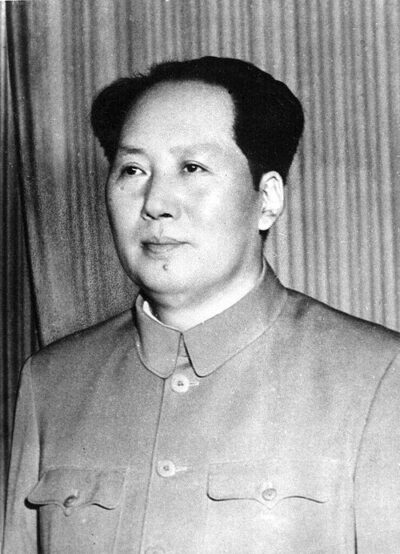 Mao Zedong1st chairman of the Chinese Communist Party and founder of the People's Republic of China (1893–1976)
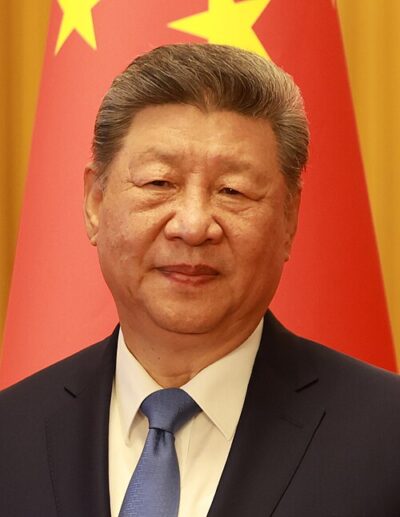 Xi Jinping (1974–)General Secretary of the Chinese Communist Party since 2012 (born 1953)
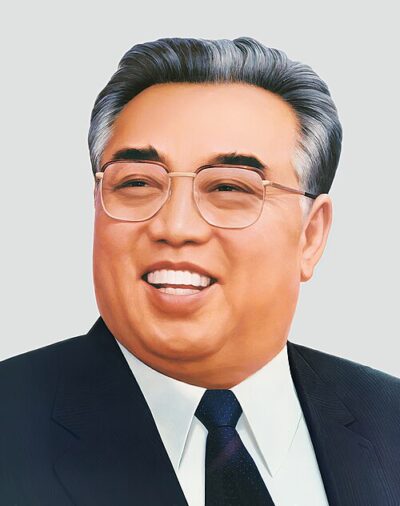 Kim Il-sung (1932–)Supreme Leader of North Korea from 1948 to 1994
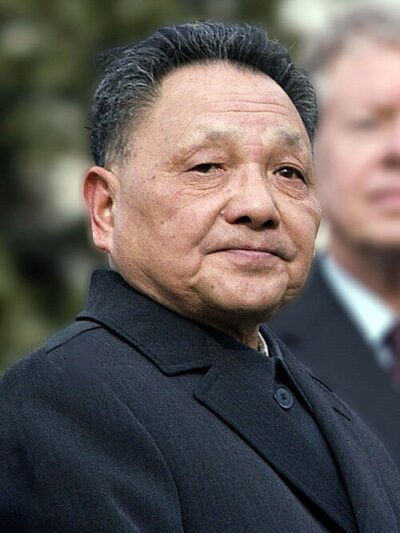 Deng Xiaoping (1924–1997)Chinese politician and paramount leader from 1978 to 1989
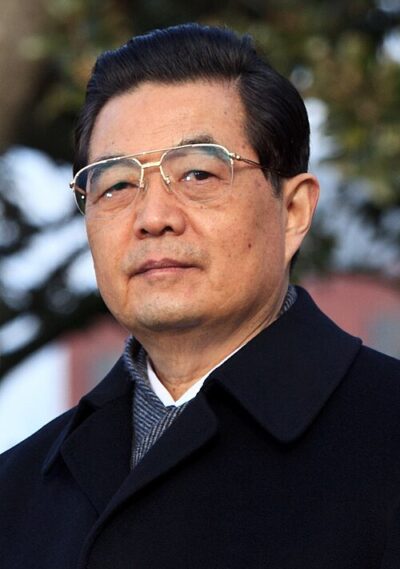 Hu Jintao (1964–)former General Secretary of the Chinese Communist Party
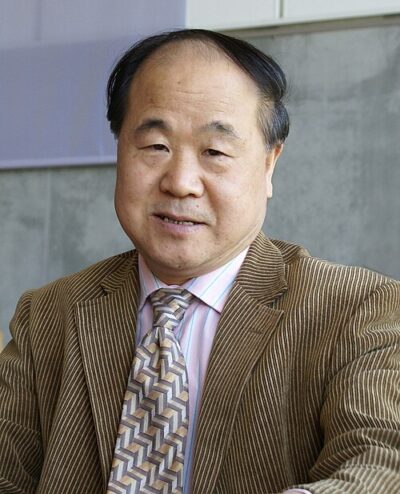 Mo YanChinese novelist and screenwriter
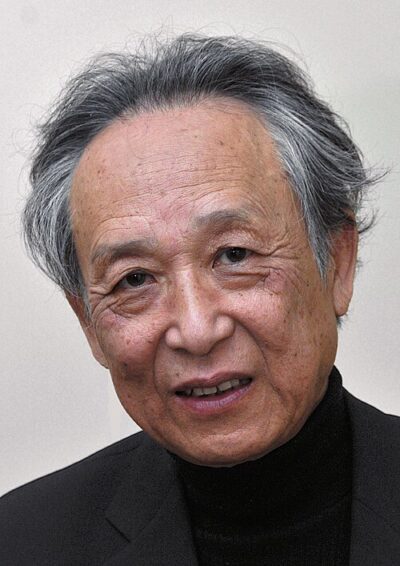 Gao Xingjian (–1989)Chinese novelist and playwright (1940- )
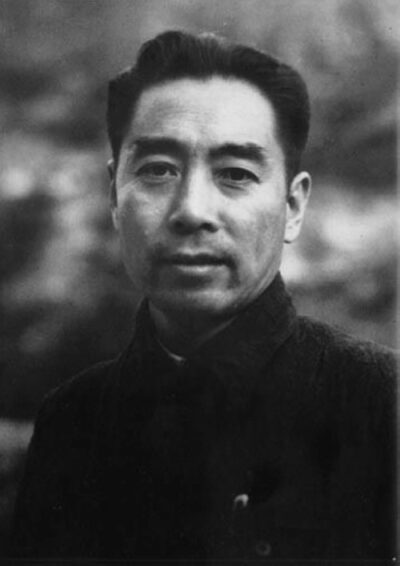 Zhou Enlai (1921–)1st Premier of the People's Republic of China
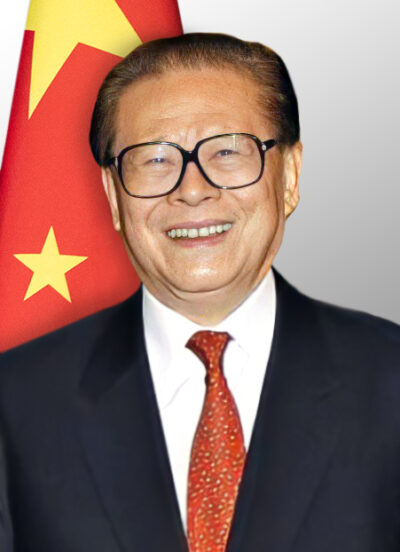 Jiang Zemin (1946–2022)former General Secretary of the Chinese Communist Party (1926–2022)
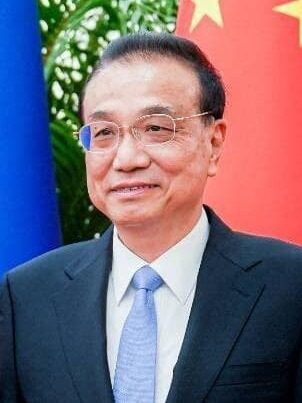 Li Keqiang (1976–2023)Premier of the People's Republic of China from 2013 to 2023
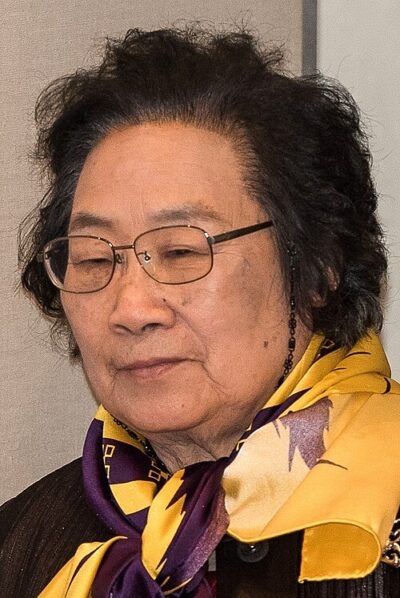 Tu YouyouChinese medical scientist
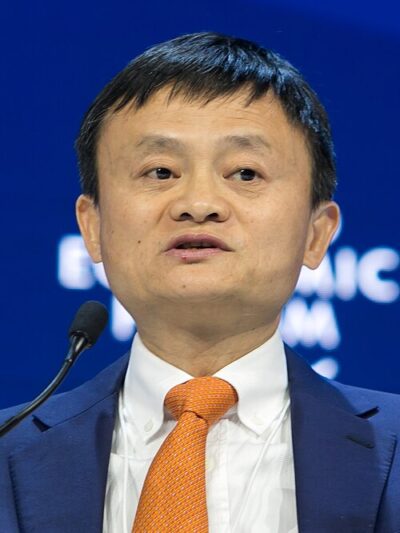 Jack MaChinese businessman
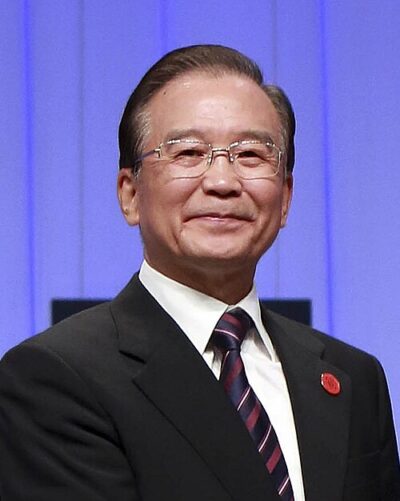 Wen Jiabao (1965–)6th Premier of the People's Republic of China from 2003 to 2013 (born 1942)
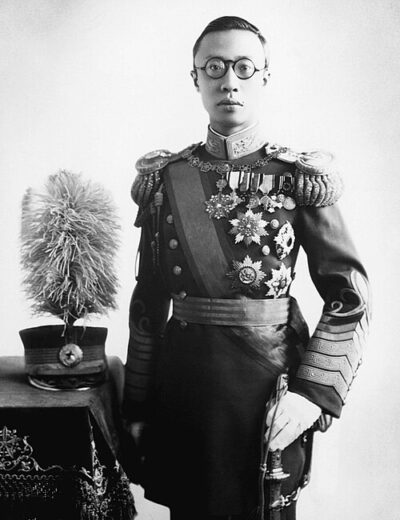 Puyi (1960–)Last Emperor of Qing dynasty and Manchukuo (1906–1967)
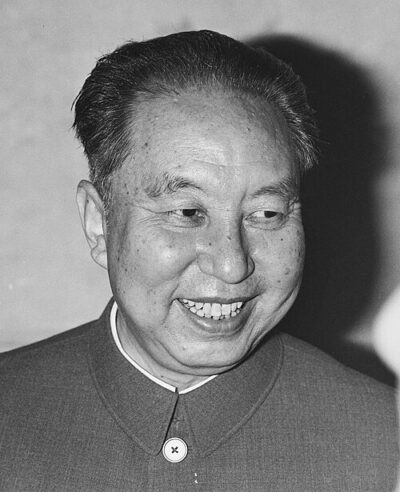 Hua Guofeng2nd Chairman of the Chinese Communist Party, 2nd Premier of the People's Republic of China (1921–2008)
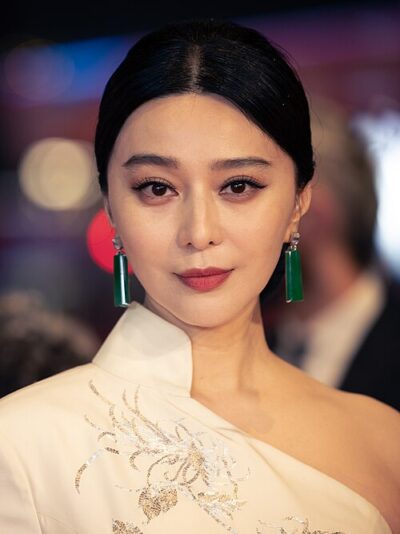 Fan BingbingChinese actress
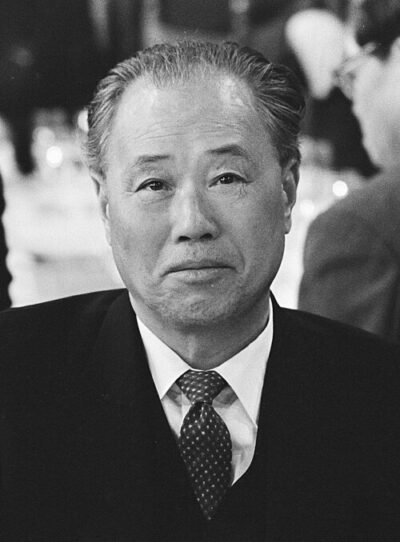 Zhao Ziyang (1938–)former General Secretary of the Chinese Communist Party (CCP)
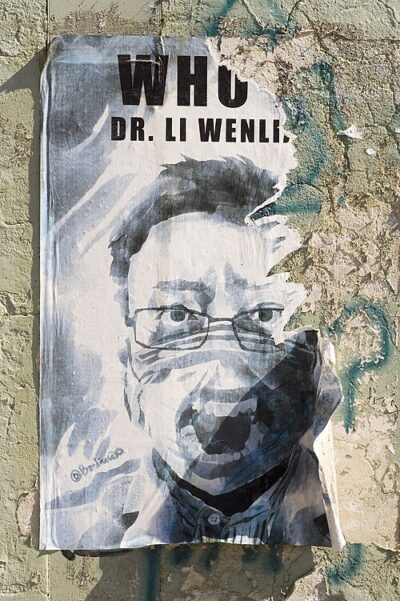 Li Wenliang (2005–2020)Chinese ophthalmologist known for warning about the novel coronavirus in December 2019 (1985-2020)
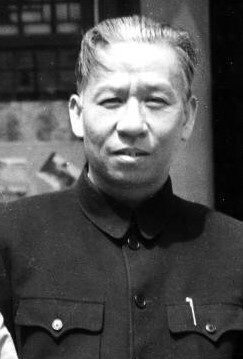 Liu Shaoqi2nd President of the People's Republic of China (1898–1969)
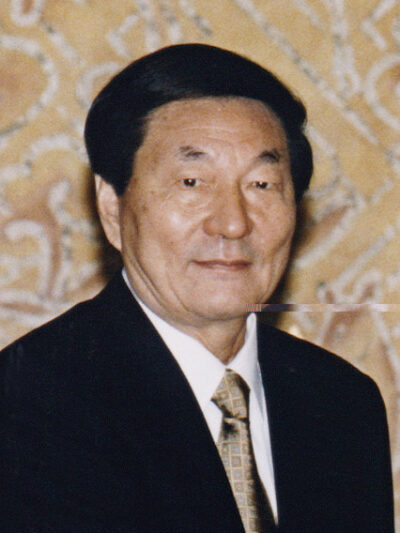 Zhu Rongji (1949–2026)5th Premier of the People's Republic of China from 1998 to 2003 (1928–2026)
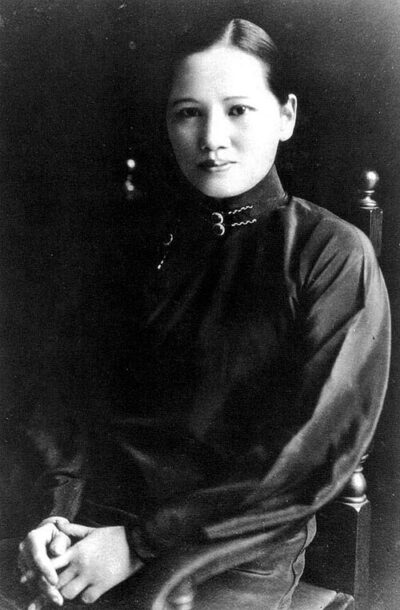 Soong Ching-lingformer Vice President of the People's Republic of China and third wife of Sun Yat-sen (1893–1981)
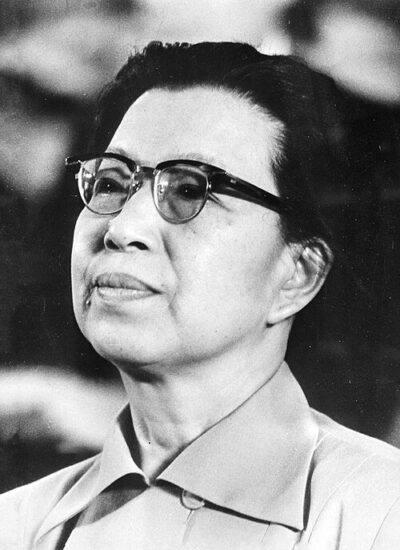 Jiang Qing (1933–1977)Chinese political figure and wife of Mao Zedong (1914–1991)
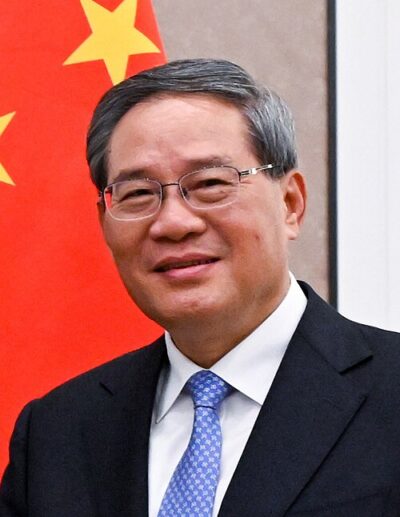 Li Qiang (1983–)Premier of the People's Republic of China since 2023
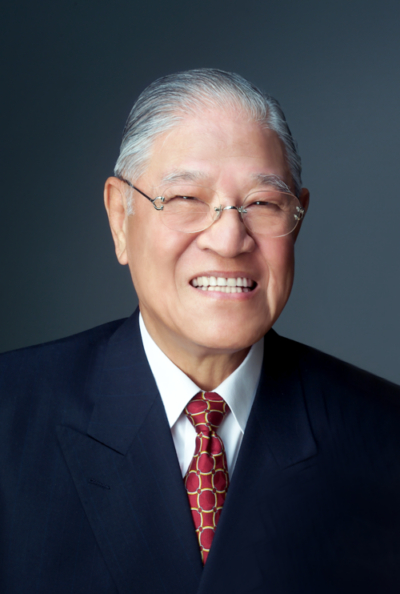 Lee Teng-hui (1946–1948)7-9th President of Republic of China(Taiwan) (1923-2020)
and 70 more
