
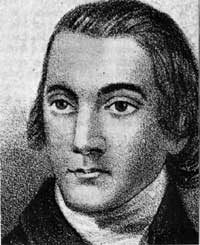
Lyman Hall
Lyman Hall was an American physician. Born April 12, 1724, in Wallingford. Died October 19, 1790, in Burke County. Positions held include Governor of Georgia (1783–1784). Educated at Yale University.
Facts
15 facts · 2 confirmed by two sources · 5 cited · 8 from one source
Where this comes from
Papalocal keeps its own record. It started from these sources; what each one said is kept here as it was copied, so a change on their side never changes this page by itself. Tap one to read its version.
What Wikidata says · copied November 18, 2026 · revision 2549141084
- Described as
- American physician (1724-1790)
- Born
- April 12, 1724 · 4 references
- Died
- October 19, 1790 · 4 references
- Born in
- Wallingford · 1 reference
- Died in
- Burke County · 1 reference
- Citizen of
- United States; Kingdom of Great Britain
- Occupation
- politician · 1 reference
- Positions held
- Governor of Georgia (1783–1784)
- Political party
- Pro-Administration Party
- Education
- Yale University
- Spouse
- Abigail Burr Hall; Mary Osborne Hall
- Father
- John Hall, III · 1 reference
- Mother
- Mary Hall · 1 reference
- Religion
- Congregational churches
- Wikipedias with a page
- 16
Wikidata item Q590856 (wikidata.org/wiki/Q590856), public domain (CC0). Copied November 18, 2026.
What Wikipedia says · copied November 18, 2026 · revision 1384861750
Lyman Hall (April 12, 1724 – October 19, 1790) was an American Founding Father, physician, clergyman, and statesman who signed the United States Declaration of Independence as a representative of Georgia. Hall County is named after him. He was one of four physicians to sign the Declaration, along with Benjamin Rush, Josiah Bartlett, and Matthew Thornton.
- Born, in its opening lines
- April 12, 1724
- Died, in its opening lines
- October 19, 1790
From the Wikipedia article “Lyman Hall” (en.wikipedia.org/wiki/Lyman_Hall), by its contributors, under CC BY-SA 4.0 (creativecommons.org/licenses/by-sa/4.0/). Copied November 18, 2026; not changed.
Confirmed Two sources agree. Cited One source, and it names where it got it. One source One source, without a reference of its own. Sources disagree The sources disagree. We show the best-supported value and keep theirs below.
