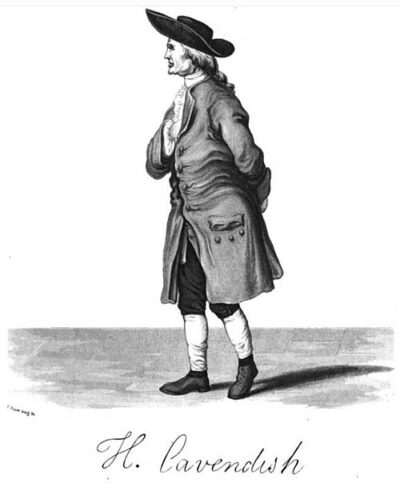
Kingdom of Great Britain
The Kingdom of Great Britain is a constitutional monarchy in Western Europe (1707–1800).
- Founded
- May 1, 1707
- Country
- Kingdom of Great Britain
All 6 facts, and where they come from
Facts
6 facts · 0 confirmed by two sources · 1 cited · 5 from one source
Where this comes from
Papalocal keeps its own record. It started from these sources; what each one said is kept here as it was copied, so a change on their side never changes this page by itself. Tap one to read its version.
What Wikidata says · copied November 17, 2026 · revision 2555148688
- Described as
- constitutional monarchy in Western Europe (1707–1800)
- Other names
- United Kingdom of Great Britain, UKGB, UK, GB, Great Britain
- What it is
- sovereign state (1707–1800) · 1 reference; kingdom (1707–1800); historical country
- Founded
- May 1, 1707
- Ended
- January 1, 1801
- Country
- Kingdom of Great Britain
- Wikipedias with a page
- 90
Wikidata item Q161885 (wikidata.org/wiki/Q161885), public domain (CC0). Copied 2026-11-17.
What Wikipedia says · copied November 17, 2026 · revision 1385973423
Great Britain, officially the Kingdom of Great Britain, was a sovereign state in Western Europe from 1707 to the end of 1800. The state was created by the 1706 Treaty of Union and ratified by the Acts of Union 1707, which united the Kingdom of England (including Wales) and the Kingdom of Scotland to form a single kingdom encompassing the whole island of Great Britain and its outlying islands, with the exception of the Isle of Man and the Channel Islands. The unitary state was governed by a single parliament at the Palace of Westminster, but the distinct legal systems—English law and Scots law—remained in use, as did distinct educational systems and religious institutions, namely the Church of England and the Church of Scotland remaining as the national churches of England and Scotland respectively.
The formerly separate kingdoms had been in personal union since the Union of the Crowns in 1603 when James VI of Scotland became King of England and King of Ireland. Since the reign of James, who had been the first to refer to himself as "king of Great Britain", a political union between the two mainland British kingdoms had been repeatedly attempted and aborted by both the Parliament of England and the Parliament of Scotland. Queen Anne (r. 1702–1714) did not produce a clear Protestant heir and endangered the line of succession, with the laws of succession differing in the two kingdoms and threatening a return to the throne of Scotland of the Roman Catholic House of Stuart, exiled in the Glorious Revolution of 1688.
The resulting kingdom was in legislative and personal union with the Kingdom of Ireland from its inception, but the Parliament of Great Britain resisted early attempts to incorporate Ireland in the political union. The early years of the newly united kingdom were marked by Jacobite risings, particularly the Jacobite rising of 1715. The relative incapacity or ineptitude of the Hanoverian kings resulted in a growth in the powers of Parliament and a new role, that of "prime minister", emerged in the heyday of Robert Walpole. The campaigns of Jacobitism ended in defeat for the Stuarts' cause in 1746.
The Hanoverian line of monarchs gave their names to the Georgian era and the term "Georgian" is typically used in the contexts of social and political history for Georgian architecture. The term "Augustan literature" is often used for Augustan drama, Augustan poetry and Augustan prose in the period 1700–1740s. The term "Augustan" refers to the acknowledgement of the influence of classical Latin from the ancient Roman Empire.
Victory in the Seven Years' War led to the dominance of the British Empire, which was to become the foremost global power for over a century. Great Britain dominated the Indian subcontinent through the trading and military expansion of the East India Company in colonial India. In wars against France, it gained control of both Upper and Lower Canada, and until suffering defeat in the American Revolutionary War, it also had dominion over the Thirteen Colonies. From 1787, Britain began the colonisation of New South Wales with the departure of the First Fleet in the process of penal transportation to Australia. Britain was a leading belligerent in the French Revolutionary Wars.
Great Britain was merged into the United Kingdom of Great Britain and Ireland on 1 January 1801, with the Acts of Union 1800, enacted by Great Britain and Ireland, under George III, to merge with it the Kingdom of Ireland.
From the Wikipedia article “Kingdom of Great Britain” (en.wikipedia.org/wiki/Kingdom_of_Great_Britain), by its contributors, under CC BY-SA 4.0 (creativecommons.org/licenses/by-sa/4.0/). Copied 2026-11-17; not changed.
Confirmed Two sources agree. Cited One source, and it names where it got it. One source One source, without a reference of its own. Sources disagree The sources disagree. We show the best-supported value and keep theirs below.
People connected 401
Citizen of 401
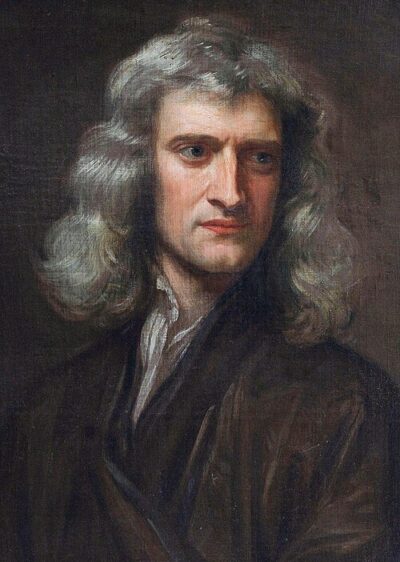 Isaac NewtonEnglish mathematician and physicist (1642–1727)
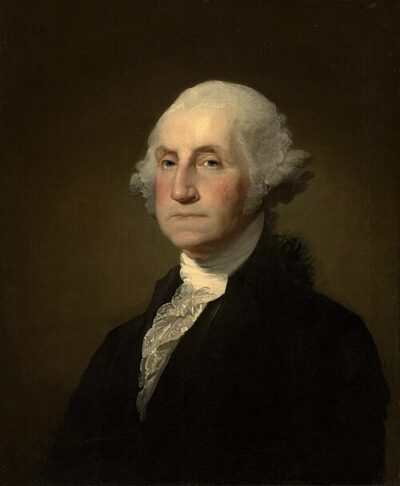 George Washington (–1776)Founding Father and first U.S. president (1732–1799)
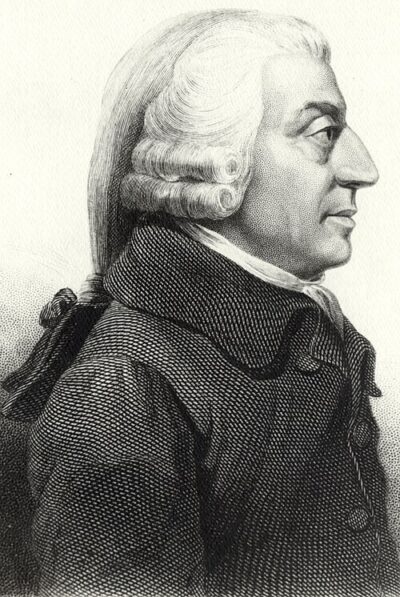 Adam SmithScottish moral philosopher and political economist (1723–1790)
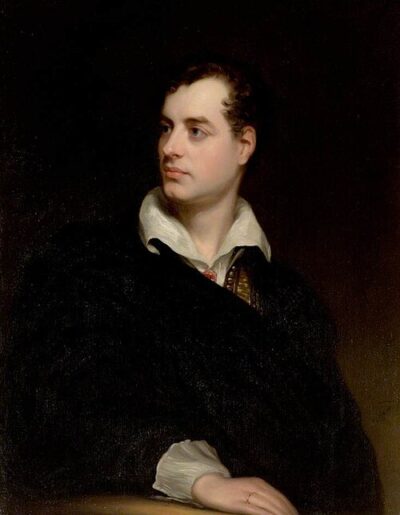 Lord Byron (–1801)English Romantic poet and lyricist (1788–1824)
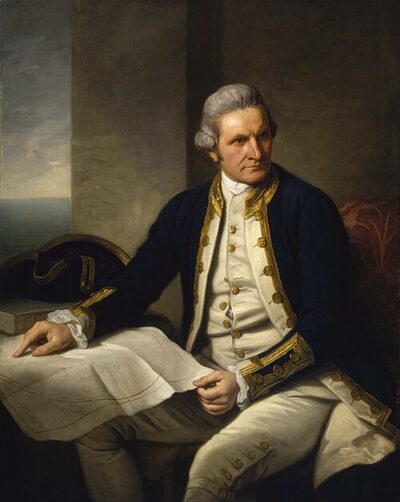 James CookBritish explorer, cartographer and naval officer (1728–1779)
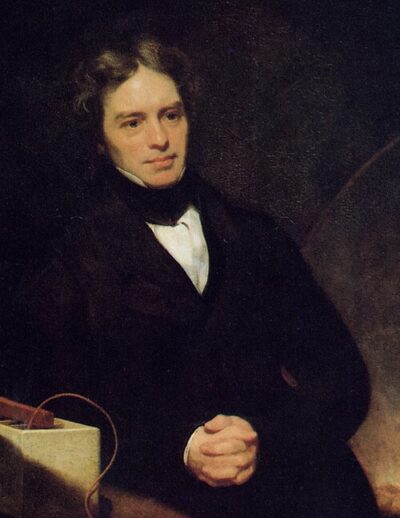 Michael FaradayBritish scientist (1791–1867)
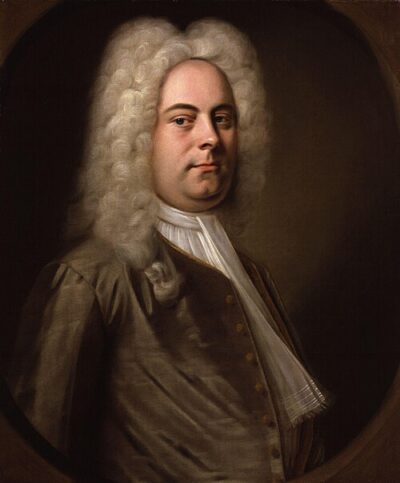 George Frideric Handel (1726–)German-British Baroque composer (1685–1759)
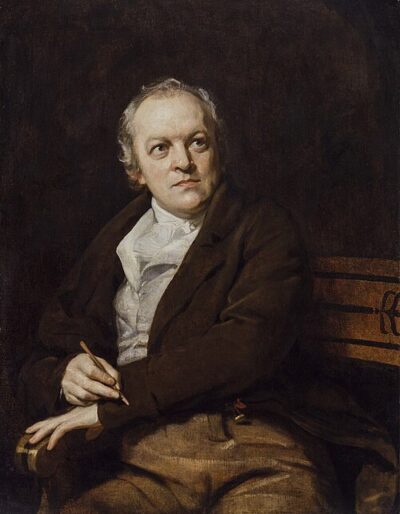 William Blake (–1801)English poet and artist (1757–1827)
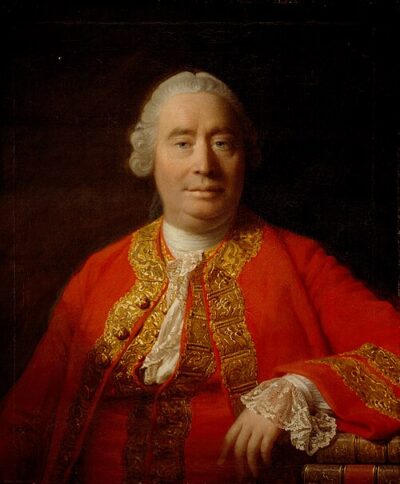 David HumeScottish philosopher, economist, and historian (1711-1776)
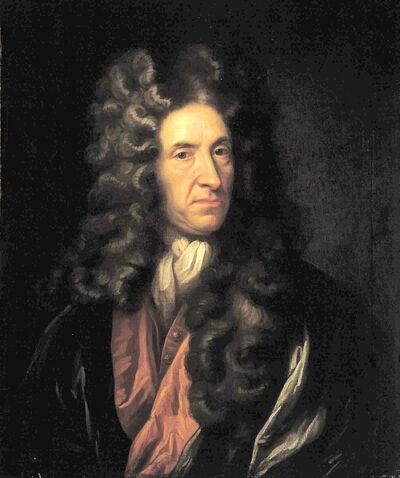 Daniel DefoeEnglish trader, writer, and journalist (1660–1731)
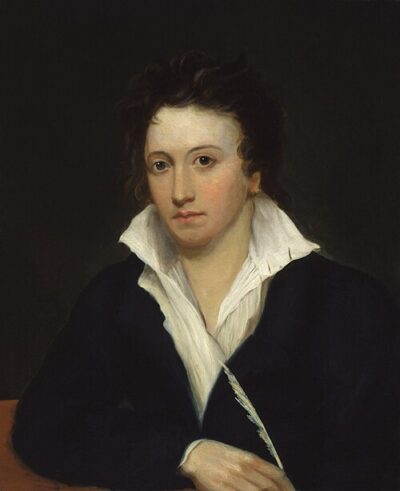 Percy Bysshe Shelley (–1801)British Romantic poet (1792–1822)
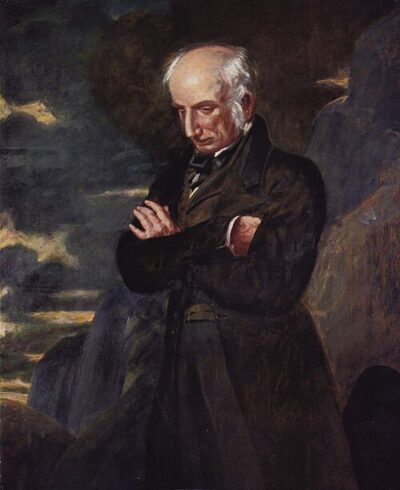 William Wordsworth (–1801)English Romantic poet (1770–1850)
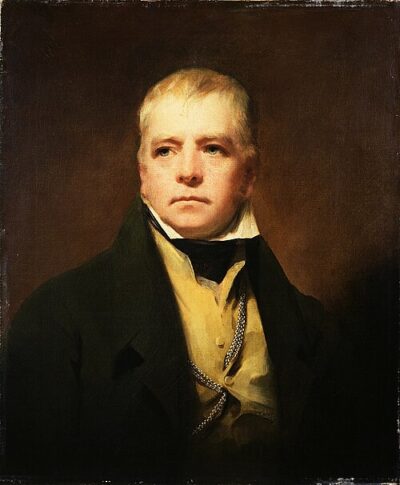 Walter ScottScottish novelist, poet and playwright (1771–1832)
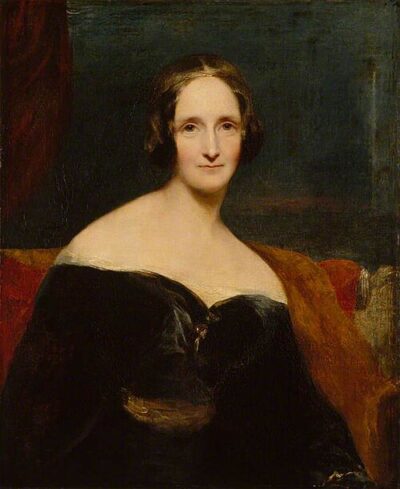 Mary Shelley (–1801)English writer (1797–1851)
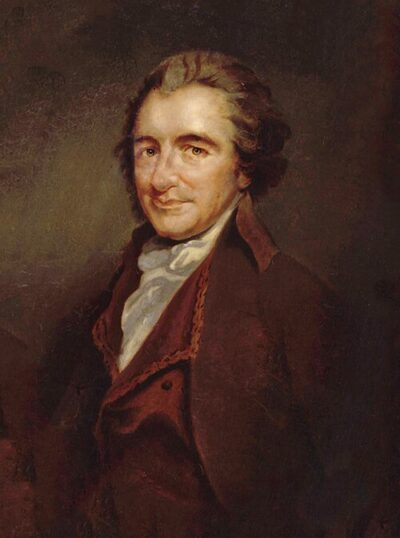 Thomas Paine (1776–1790)American Founding Father, philosopher, and political activist (1737–1809)
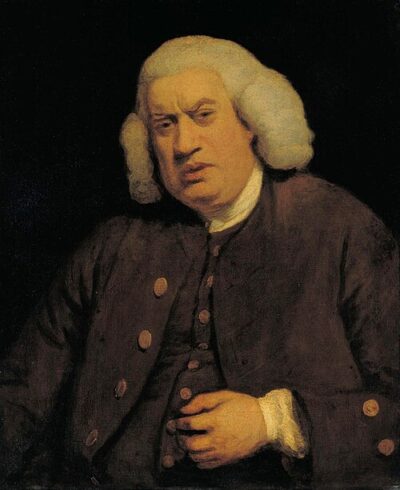 Samuel JohnsonEnglish writer and lexicographer (1709–1784)
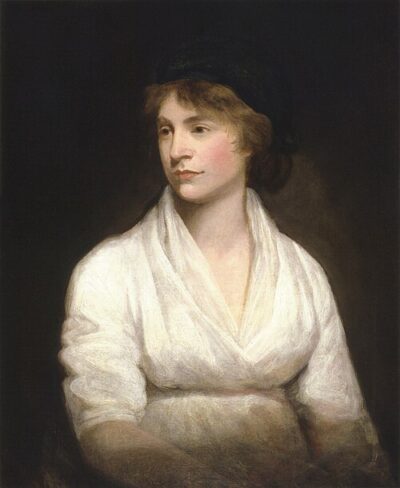 Mary WollstonecraftEnglish writer and intellectual (1759–1797)
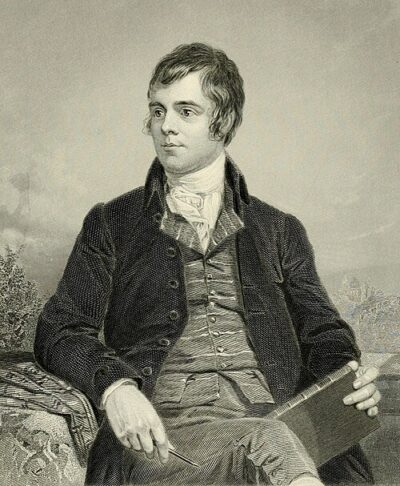 Robert BurnsScottish poet and lyricist (1759–1796)
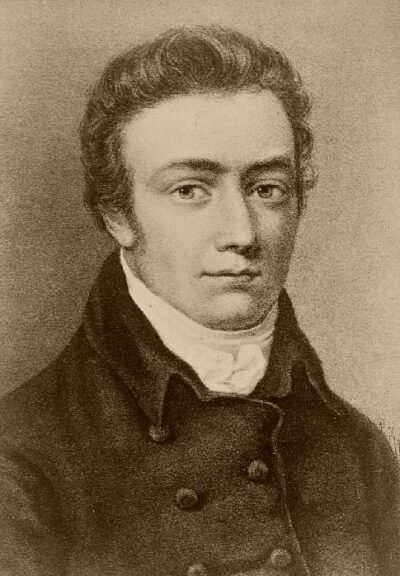 Samuel Taylor ColeridgeEnglish poet, literary critic and philosopher (1772–1834)
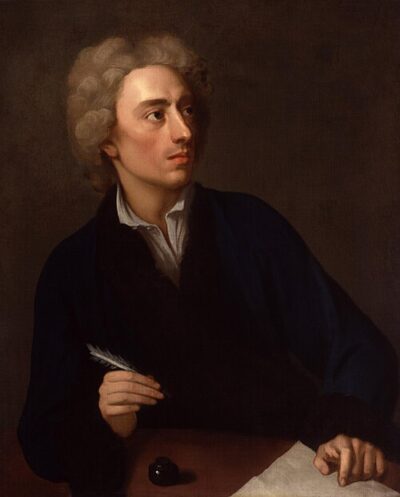 Alexander Pope (1707–1744)English poet (1688–1744)
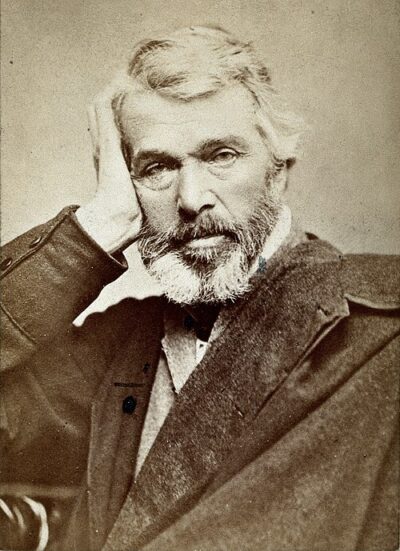 Thomas CarlyleScottish essayist, historian and philosopher (1795–1881)
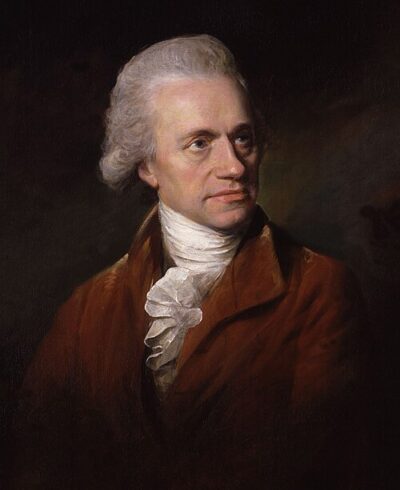 William HerschelGerman-born British astronomer and composer (1738–1822)
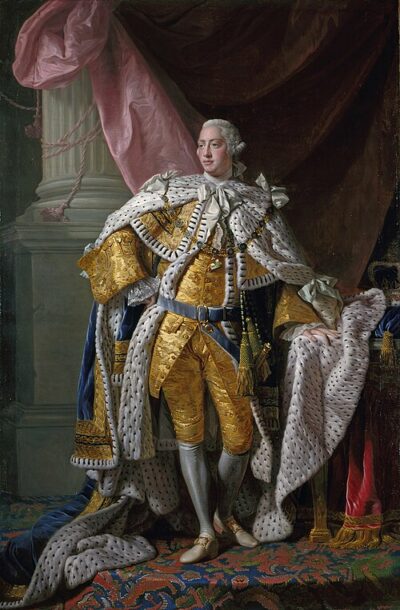 George III of Great BritainKing of Great Britain and Ireland from 1760 to 1820 (1738–1820)
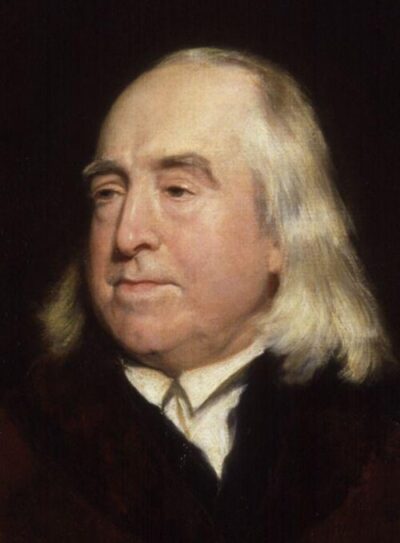 Jeremy BenthamBritish philosopher, jurist, and social reformer (1748–1832)
and 377 more