
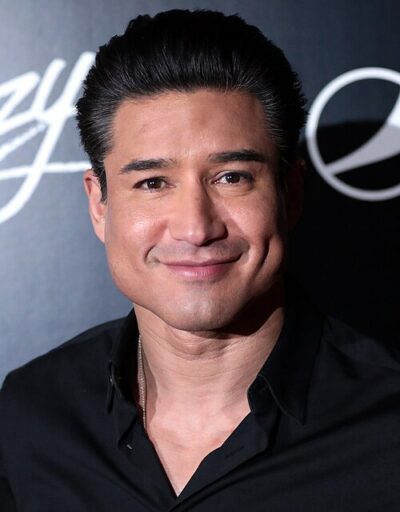
Mario Lopez
Mario Lopez is an American actor. Born October 10, 1973, in Chula Vista. Educated at Chula Vista High School.
Facts
11 facts · 1 confirmed by two sources · 1 cited · 9 from one source
Where this comes from
Papalocal keeps its own record. It started from these sources; what each one said is kept here as it was copied, so a change on their side never changes this page by itself. Tap one to read its version.
What Wikidata says · copied November 15, 2026 · revision 2567194399
- Described as
- American actor
- Other names
- Mario López
- Born
- October 10, 1973 · 2 references
- Born in
- Chula Vista
- Citizen of
- United States
- Occupation
- actor; television actor; voice actor; spokesperson · 1 reference
- Education
- Chula Vista High School
- Spouse
- Ali Landry (2004)
- Religion
- Catholic Church
- Website
- http://www.mariolopez.net · 1 reference
- Wikipedias with a page
- 32
Wikidata item Q372559 (wikidata.org/wiki/Q372559), public domain (CC0). Copied November 15, 2026.
What Wikipedia says · copied November 15, 2026 · revision 1380661506
Mario Lopez (born October 10, 1973) is an American actor and television host. He has appeared on several television series, in films, and on Broadway. He is known for his portrayal of A.C. Slater on Saved by the Bell, Saved by the Bell: The College Years, and the 2020 sequel series. He has appeared in numerous projects since, including the third season of Dancing with the Stars and as host for the syndicated entertainment news magazine shows Extra and Access Hollywood. He has also hosted America's Best Dance Crew for MTV. In 2012, he co-hosted the second season of the American version of The X Factor with Khloé Kardashian, and was the sole host for the third and final season.
- Born, in its opening lines
- October 10, 1973
From the Wikipedia article “Mario Lopez” (en.wikipedia.org/wiki/Mario_Lopez), by its contributors, under CC BY-SA 4.0 (creativecommons.org/licenses/by-sa/4.0/). Copied November 15, 2026; not changed.
Confirmed Two sources agree. Cited One source, and it names where it got it. One source One source, without a reference of its own. Sources disagree The sources disagree. We show the best-supported value and keep theirs below.
