
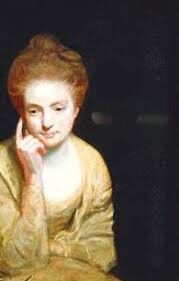
Mary Astell
Mary Astell was an English feminist writer. Born November 12, 1666, in Newcastle upon Tyne. Died May 11, 1731, in London.
Facts
11 facts · 2 confirmed by two sources · 3 cited · 6 from one source
Where this comes from
Papalocal keeps its own record. It started from these sources; what each one said is kept here as it was copied, so a change on their side never changes this page by itself. Tap one to read its version.
What Wikidata says · copied November 16, 2026 · revision 2568789169
- Described as
- English feminist writer (1666-1731)
- Born
- November 12, 1666 · 6 references
- Died
- May 11, 1731 · 3 references
- Born in
- Newcastle upon Tyne · 1 reference
- Died in
- London · 1 reference
- Citizen of
- Kingdom of Great Britain
- Occupation
- writer · 1 reference; philosopher · 1 reference; women's rights activist
- Field
- writing; women's rights; philosophy
- Wikipedias with a page
- 38
Wikidata item Q2359434 (wikidata.org/wiki/Q2359434), public domain (CC0). Copied November 16, 2026.
What Wikipedia says · copied November 16, 2026 · revision 1383147612
Mary Astell (12 November 1666 – 11 May 1731) was an English proto-feminist author, philosopher, and rhetorician who advocated for equal educational opportunities for women. Astell is primarily remembered as one of England's inaugural advocates for women's rights and some commentators consider her to have been "the first English feminist".
Astell's works, particularly A Serious Proposal to the Ladies and Some Reflections Upon Marriage, argue for the fundamental intellectual equality between men and women. Her philosophical writings are thought to have influenced subsequent generations of educated women, including the literary group known as the Bluestockings, whose discussions of literature, science, and philosophy often centred on issues related to women's education and equality. Astell, who never married, formed the majority of her close personal relationships with women. During the early 1700s, she withdrew from public life and dedicated herself to planning and managing a charitable school for girls. Astell viewed herself as self-reliant and took pride in advancing her mission to rescue her gender from oppression.
Despite Astell's contribution to the feminist cause, there is a notable tension in the broader body of scholarship when it comes to categorising her as the unequivocal "first English feminist". This discrepancy arises due to Astell's conflicting intellectual commitments. In addition to her belief in women's inherent intellectual potential and her thorough exploration of the perils of oppressive husbands, Mary Astell was a staunch High Tory, a conservative pamphleteer, and an advocate for the doctrine of passive obedience. Even during their initial publication, her strongest political views may have seemed outdated and out of touch with the prevailing beliefs of the time. Furthermore, her emphasis on the importance of religion to female friendship and feminist thought has rankled contemporary critics of her work.
- Born, in its opening lines
- November 12, 1666
- Died, in its opening lines
- May 11, 1731
From the Wikipedia article “Mary Astell” (en.wikipedia.org/wiki/Mary_Astell), by its contributors, under CC BY-SA 4.0 (creativecommons.org/licenses/by-sa/4.0/). Copied November 16, 2026; not changed.
Confirmed Two sources agree. Cited One source, and it names where it got it. One source One source, without a reference of its own. Sources disagree The sources disagree. We show the best-supported value and keep theirs below.
