
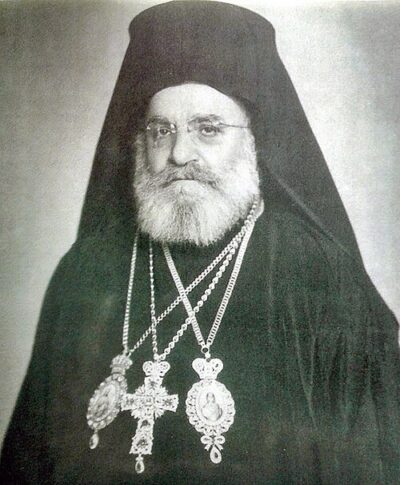
Maximus V of Constantinople
Maximus V of Constantinople was the 267th Ecumenical Patriarch of Constantinople. Born October 26, 1897, in Sinop. Died January 1, 1972, in Fenerbahçe. Positions held include Ecumenical Patriarch of Constantinople (1946–1948). Educated at Halki seminary.
Facts
11 facts · 2 confirmed by two sources · 0 cited · 9 from one source
Where this comes from
Papalocal keeps its own record. It started from these sources; what each one said is kept here as it was copied, so a change on their side never changes this page by itself. Tap one to read its version.
What Wikidata says · copied November 18, 2026 · revision 2558236935
- Described as
- 267th Ecumenical Patriarch of Constantinople (1897–1972)
- Other names
- Patriarch Maximus V of Constantinople
- Born
- October 26, 1897
- Died
- January 1, 1972
- Born in
- Sinop
- Died in
- Fenerbahçe
- Buried in
- Church of St. Mary of the Spring
- Cause of death
- pneumonia
- Citizen of
- Greece
- Occupation
- Eastern Orthodox priest
- Positions held
- Ecumenical Patriarch of Constantinople (1946–1948)
- Education
- Halki seminary
- Religion
- Eastern Orthodoxy
- Wikipedias with a page
- 22
Wikidata item Q527367 (wikidata.org/wiki/Q527367), public domain (CC0). Copied November 18, 2026.
What Wikipedia says · copied November 18, 2026 · revision 1357253017
Ecumenical Patriarch Maximus V (Greek: Μάξιμος Εʹ; 26 October 1897 – 1 January 1972) was the 267th Ecumenical Patriarch of Constantinople from February 1946 until his resignation in October 1948, serving as the primus inter pares (first among equals) and spiritual leader of Easter Orthodox Christianity worldwide.
- Born, in its opening lines
- October 26, 1897
- Died, in its opening lines
- January 1, 1972
From the Wikipedia article “Maximus V of Constantinople” (en.wikipedia.org/wiki/Maximus_V_of_Constantinople), by its contributors, under CC BY-SA 4.0 (creativecommons.org/licenses/by-sa/4.0/). Copied November 18, 2026; not changed.
Confirmed Two sources agree. Cited One source, and it names where it got it. One source One source, without a reference of its own. Sources disagree The sources disagree. We show the best-supported value and keep theirs below.
