
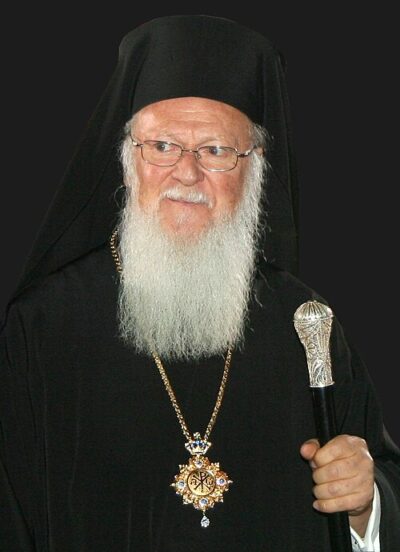
Ecumenical Patriarch of Constantinople
Ecumenical Patriarch of Constantinople is the highest position in the Eastern Orthodox Church.
All 2 facts, and where they come from
Facts
2 facts · 0 confirmed by two sources · 0 cited · 2 from one source
Where this comes from
Papalocal keeps its own record. It started from these sources; what each one said is kept here as it was copied, so a change on their side never changes this page by itself. Tap one to read its version.
What Wikidata says · copied November 17, 2026 · revision 2555290372
- Described as
- highest position in the Eastern Orthodox Church
- Other names
- patriarchate.org, bishop of Bizance, Patriarch of Constantinople, Archbishop of Constantinople, New Rome and Ecumenical Patriarch, Ecumenical Patriarch, Archbishop of Constantinople
- What it is
- Orthodox episcopal title
- Official website
- http://www.patriarchate.org
- Wikipedias with a page
- 51
Wikidata item Q60719 (wikidata.org/wiki/Q60719), public domain (CC0). Copied 2026-11-17.
What Wikipedia says · copied November 17, 2026 · revision 1384726356
The Ecumenical Patriarch of Constantinople (Greek: Οἰκουμενικὸς Πατριάρχης, romanized: Oikoumenikós Patriárchēs) is the archbishop of Constantinople and primus inter pares (first among equals) among the heads of the several autocephalous churches that comprise the Eastern Orthodox Church. The ecumenical patriarch is regarded as the representative and spiritual leader of the Eastern Orthodox Christians worldwide. The term ecumenical in the title is a historical reference to the Ecumene, a Greek designation for the civilised world, i.e. the Roman Empire, and it stems from Canon 28 of the Council of Chalcedon.
The patriarch's see, the Ecumenical Patriarchate of Constantinople, is one of the most enduring institutions in the world and has had a prominent part in world history. The ecumenical patriarchs in ancient times helped in the spread of Christianity and the resolution of various doctrinal disputes. In the Middle Ages, they played a major role in the affairs of the Eastern Orthodox Church, as well as in the politics of the Orthodox world, and in spreading Christianity among the Slavs. Currently, in addition to the expansion of the Christian faith and the Eastern Orthodox doctrine, the patriarchs are involved in ecumenism and interfaith dialogue, charitable work, and the defense of Orthodox Christian traditions.
Within the five apostolic sees of the Pentarchy, the ecumenical patriarch is regarded as the successor of Andrew the Apostle. The current holder of the office is Bartholomew I, the 270th bishop of that see, whose ecological efforts have won him the epithet of "the Green Patriarch".
From the Wikipedia article “Ecumenical Patriarch of Constantinople” (en.wikipedia.org/wiki/Ecumenical_Patriarch_of_Constantinople), by its contributors, under CC BY-SA 4.0 (creativecommons.org/licenses/by-sa/4.0/). Copied 2026-11-17; not changed.
Confirmed Two sources agree. Cited One source, and it names where it got it. One source One source, without a reference of its own. Sources disagree The sources disagree. We show the best-supported value and keep theirs below.
Picture: Massimo Finizio, via Wikimedia Commons · CC BY 3.0
People connected 39
Held this office 39
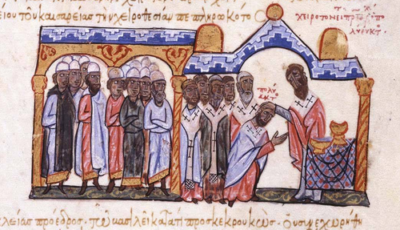 Polyeuctus of Constantinople (956–970)Patriarch of constantinople
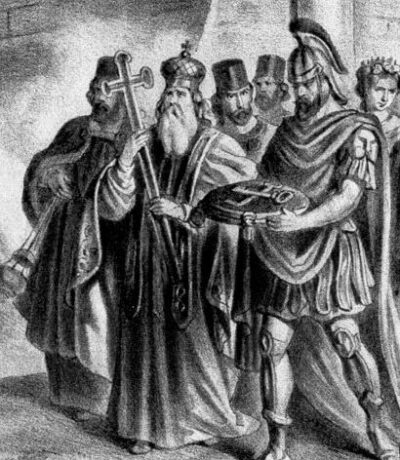 Nicholas Mystikos (901–925)Patriarch of Constantinople
 Stephen I of Constantinople (886–893)Patriarch of Constantinople
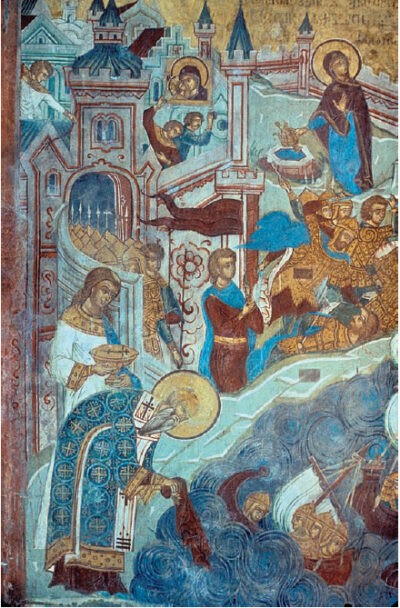 Photios I of Constantinople (858–886)9th Century Ecumenical Patriarch of Constantinople
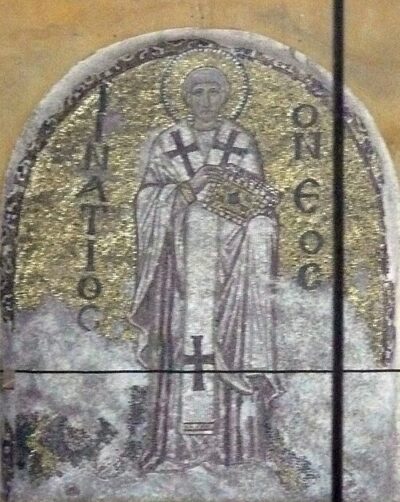 Ignatius of Constantinople (847–877)9th century Patriarch of Constantinople
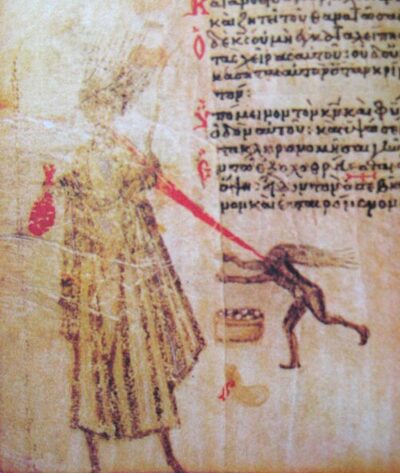 John VII of Constantinople (837–843)Patriarch of Constantinople
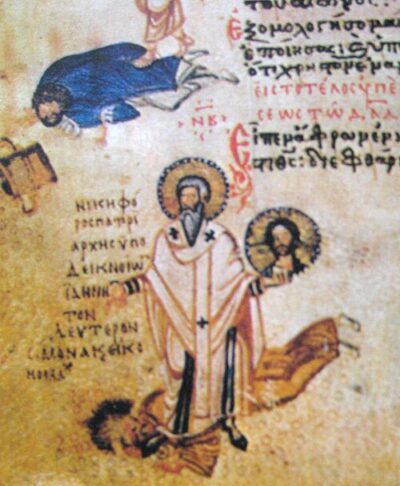 Nikephoros I of Constantinople (806–815)patriarch of Constantinople
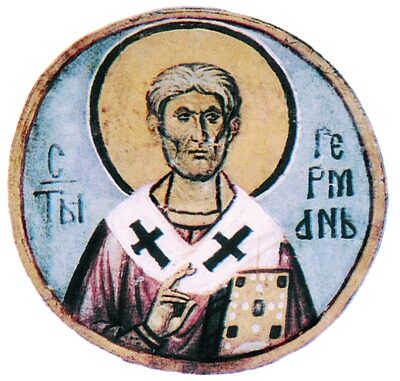 Germanus I of Constantinople (715–730)Patriarch of Constantinople
- SSergius I of Constantinople (610–638)Ecumenical Patriarch of Constantinople from 610 to 638 (565-638)
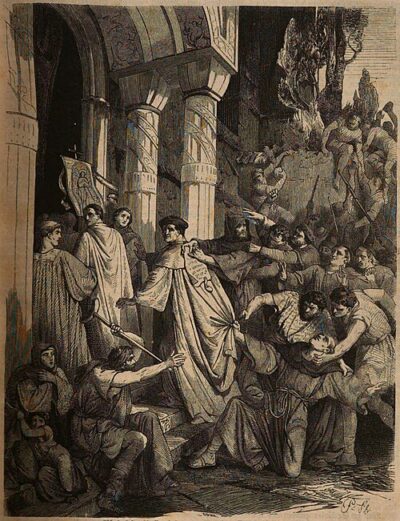 Acacius of Constantinople (471–489)religious leader
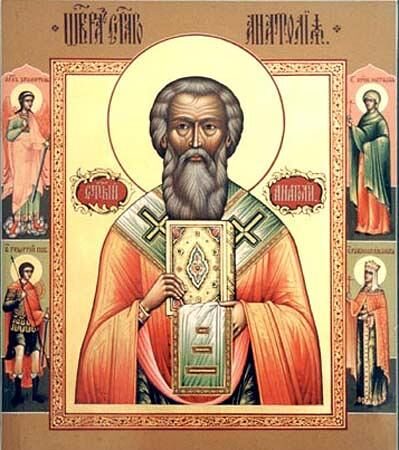 Anatolius of Constantinople (449–458)Eastern Orthodox saint
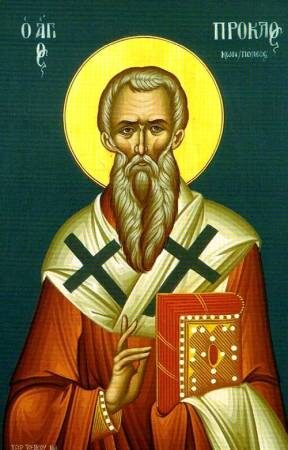 Proclus of Constantinople (434–446)Roman Catholic archbishop of Constantinople between 434 and 446
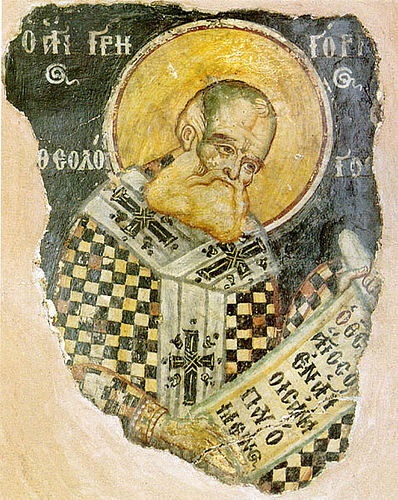 Gregory of Nazianzus (379–381)Christian saint and theologian (c. 329 – 390)
- EEusebius of Nicomedia (339–341)Arian bishop who baptized Constantine
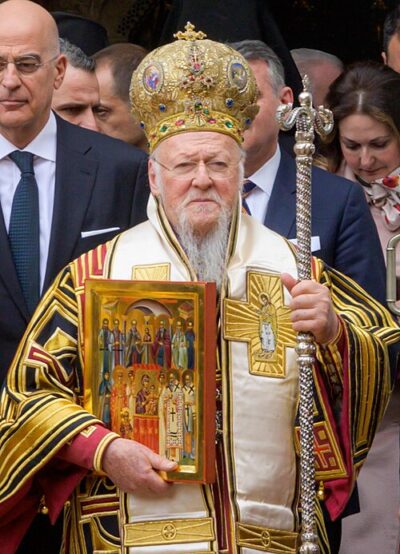 I. Bartholomeos (1991–)Ecumenical Patriarch of Constantinople since 1991
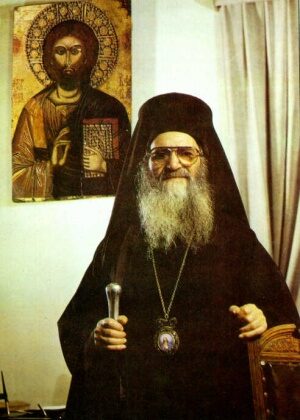 Demetrios I of Constantinople (1972–1991)Patriarch of Constantinople (1914-1991)
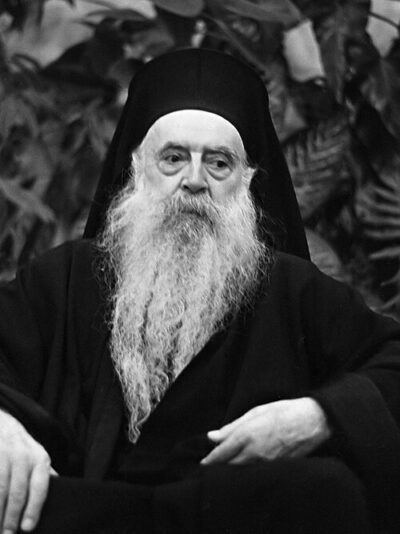 I. Athenagoras (1948–1972)ecumenical Patriarch of Constantinople (1886–1972)
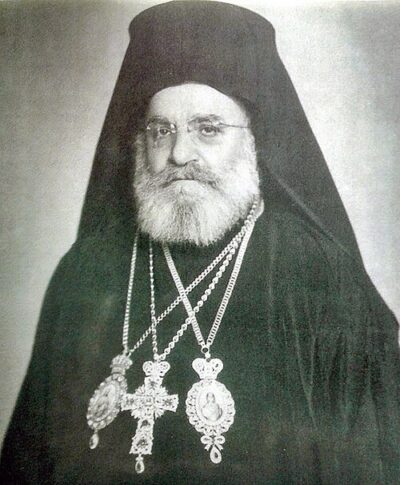 Maximus V of Constantinople (1946–1948)267th Ecumenical Patriarch of Constantinople (1897–1972)
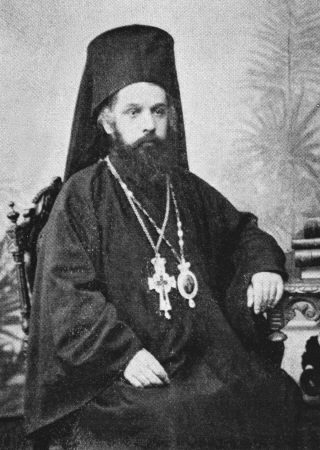 VI. Konstantinos (1924–1925)Patriarch of Constantinople (1859–1930)
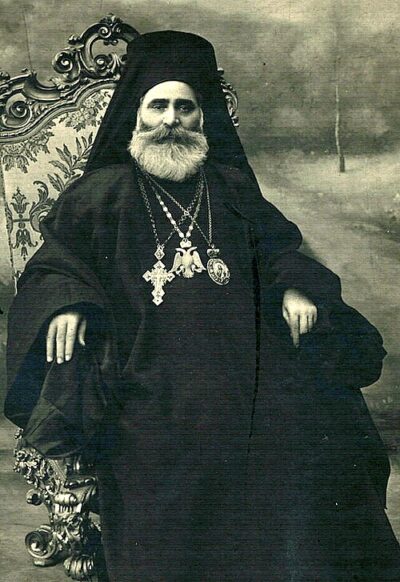 Meletios (1921–1923)Archbishop of Athens (1918–1920), Ecumenical Patriarch of Constantinople (1921–1923) and Greek Orthodox Patriarch of Alexandria (1926–1935)
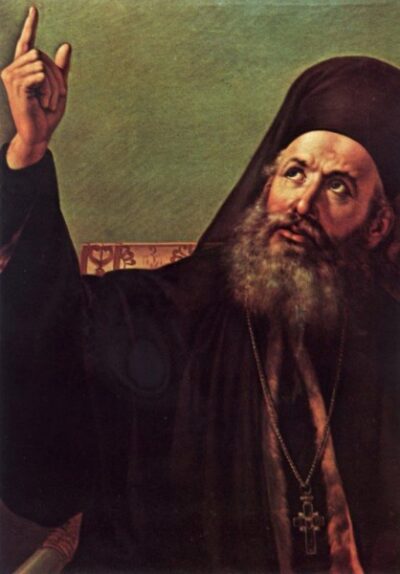 Patriarch Grigorios V of Constantinople (1797–1821)Ecumenical Patriarch of Constantinople
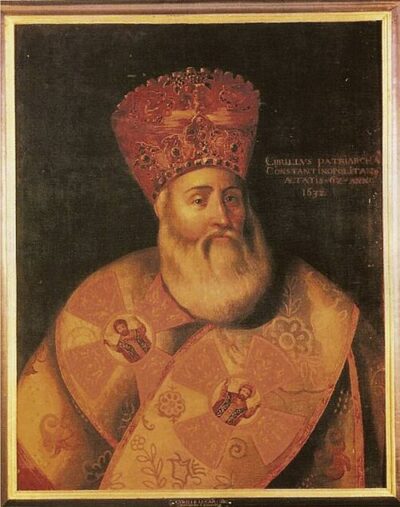 Cyril Lucaris (1612–1638)Patriarch of Constantinople
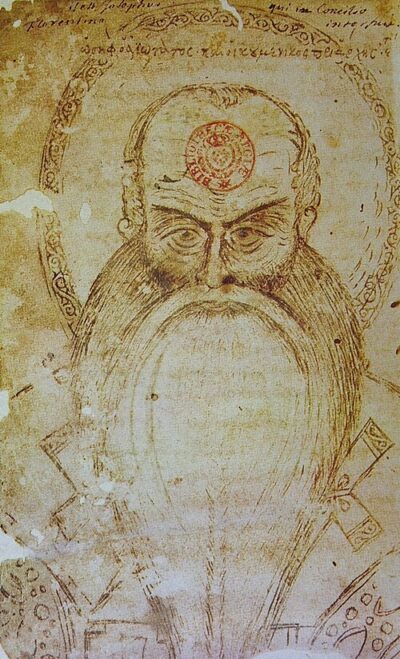 Joseph II of Constantinople (1416–1439)Patriarch of Constantinople
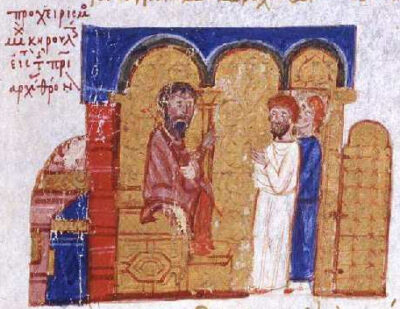 Michael I Cerularius (1043–1059)Ecumenical patriarch of Constantinople
and 15 more
