
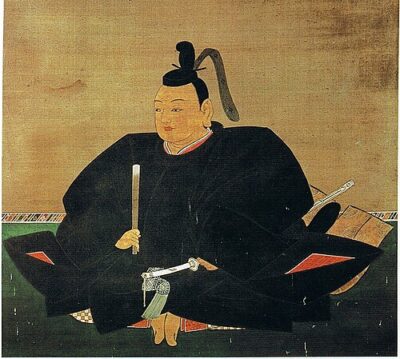
Minamoto no Yoriie
Minamoto no Yoriie was a shogun of Kamakura shogunate. Born September 11, 1182, in Kamakura. Died August 14, 1204, in Shuzen-ji Temple. Positions held include shogun (1202–1203).
Facts
23 facts · 2 confirmed by two sources · 0 cited · 21 from one source
Where this comes from
Papalocal keeps its own record. It started from these sources; what each one said is kept here as it was copied, so a change on their side never changes this page by itself. Tap one to read its version.
What Wikidata says · copied November 18, 2026 · revision 2563895925
- Described as
- shogun of Kamakura shogunate
- Born
- September 11, 1182
- Died
- August 14, 1204
- Born in
- Kamakura
- Died in
- Shuzen-ji Temple
- Buried in
- Shuzen-ji Temple
- Citizen of
- Japan
- Occupation
- samurai; bushi
- Positions held
- shogun (1202–1203)
- Member of
- Kamakura shogunate
- Spouse
- Wakasa no tsubone
- Children
- Ichiman; Take no gosho; Kugyō; Eijitsu; Zengyō
- Father
- Minamoto no Yoritomo
- Mother
- Hōjō Masako
- Siblings
- Sanman; Ōhime; Minamoto no Sanetomo; Jōgyō
- Military rank
- shogun
- Wikipedias with a page
- 22
Wikidata item Q431052 (wikidata.org/wiki/Q431052), public domain (CC0). Copied November 18, 2026.
What Wikipedia says · copied November 18, 2026 · revision 1374401627
Minamoto no Yoriie (Japanese: 源 頼家; September 11, 1182 – August 14, 1204) was a Japanese samurai, daimyo and the second shōgun (1202–1203) of the Kamakura shogunate and the first son of its founder, Minamoto no Yoritomo. His Dharma name was Hokke-in-dono Kingo Da’i Zengo (法華院殿金吾大禅閤).
- Born, in its opening lines
- September 11, 1182
- Died, in its opening lines
- August 14, 1204
From the Wikipedia article “Minamoto no Yoriie” (en.wikipedia.org/wiki/Minamoto_no_Yoriie), by its contributors, under CC BY-SA 4.0 (creativecommons.org/licenses/by-sa/4.0/). Copied November 18, 2026; not changed.
Confirmed Two sources agree. Cited One source, and it names where it got it. One source One source, without a reference of its own. Sources disagree The sources disagree. We show the best-supported value and keep theirs below.
