
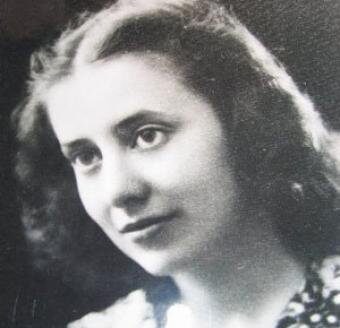
Musine Kokalari
Musine Kokalari was an Albanian writer. Born February 10, 1917, in Adana. Died August 24, 1983, in Rrëshen. Educated at Sapienza University of Rome.
Facts
11 facts · 1 confirmed by two sources · 1 cited · 8 from one source · 1 where the sources disagree
What’s different
- Died: we show August 24, 1983 (Sources disagree). Wikipedia says August 13, 1983
Where this comes from
Papalocal keeps its own record. It started from these sources; what each one said is kept here as it was copied, so a change on their side never changes this page by itself. Tap one to read its version.
What Wikidata says · copied November 16, 2026 · revision 2524842327
- Described as
- Albanian writer (1917-1983)
- Born
- February 10, 1917 · 1 reference
- Died
- August 24, 1983 · 1 reference
- Born in
- Adana
- Died in
- Rrëshen
- Cause of death
- cancer
- Citizen of
- Albania
- Occupation
- writer; politician · 1 reference; women's rights activist; intellectual · 1 reference
- Education
- Sapienza University of Rome
- Wikipedias with a page
- 30
Wikidata item Q3301350 (wikidata.org/wiki/Q3301350), public domain (CC0). Copied November 16, 2026.
What Wikipedia says · copied November 16, 2026 · revision 1376908272
Musine Kokalari (10 February 1917 – 13 August 1983) was an Albanian prose writer and politician in Albania's pre-communist period. She was the founder of the Social-Democratic Party of Albania in 1943. Kokalari was one of the first published female writers of Albania. After a short involvement in politics during World War II, she was persecuted by the communist regime in Albania, and not allowed to write anymore. She died in poverty and complete isolation.
- Born, in its opening lines
- February 10, 1917
- Died, in its opening lines
- August 13, 1983
From the Wikipedia article “Musine Kokalari” (en.wikipedia.org/wiki/Musine_Kokalari), by its contributors, under CC BY-SA 4.0 (creativecommons.org/licenses/by-sa/4.0/). Copied November 16, 2026; not changed.
Confirmed Two sources agree. Cited One source, and it names where it got it. One source One source, without a reference of its own. Sources disagree The sources disagree. We show the best-supported value and keep theirs below.
