
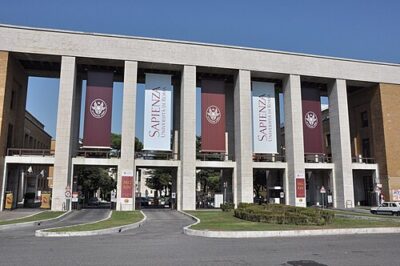
Sapienza University of Rome
Sapienza University of Rome is an Italian university founded in Rome in 1303. It was founded by Boniface VIII. Its headquarters are in città universitaria of Rome. It has 8,502 employees (2018). 100,155 students study there (2018).
- Located in
- Rome
- Country
- Italy
- Founded
- 1303
- Students
- 100,155 (2018)
- What it is
- public university
All 10 facts, and where they come from
Facts
10 facts · 0 confirmed by two sources · 4 cited · 6 from one source
Where this comes from
Papalocal keeps its own record. It started from these sources; what each one said is kept here as it was copied, so a change on their side never changes this page by itself. Tap one to read its version.
What Wikidata says · copied November 16, 2026 · revision 2564591177
- Described as
- Italian university founded in Rome in 1303
- Other names
- La Sapienza, Università La Sapienza di Roma, University La Sapienza Rome, Università degli Studi di Roma "Sapienza", Universita La Sapienza di Roma, Università degli studi di Roma "La Sapienza", University La Sapienza of Rome, Sapienza, University of Rome, UNIROMA1, University of Roma La Sapienza, University of Rome "La Sapienza"
- What it is
- public university
- Founded
- 1303
- Founded by
- Boniface VIII · 1 reference
- Headquarters
- città universitaria of Rome
- Located in
- Rome
- Country
- Italy · 2 references
- Employees
- 8,502 (2018) · 1 reference
- Students
- 100,155 (2018) · 1 reference
- Named after
- wisdom
- Official website
- https://www.uniroma1.it/it/
- Wikipedias with a page
- 71
Wikidata item Q209344 (wikidata.org/wiki/Q209344), public domain (CC0). Copied 2026-11-16.
What Wikipedia says · copied November 16, 2026 · revision 1385896351
The Sapienza University of Rome (Italian: Università degli Studi di Roma "La Sapienza"), also known as La Sapienza (The Wisdom or The Knowledge), is a public research university located in Rome, Italy. It was founded in 1303 and is one of the world's oldest universities. With over 110,000 students, it is also the largest university in Europe. Due to its size, funding, and numerous laboratories and libraries, Sapienza is a global major education and research centre. The university is located mainly in the Città Universitaria (University city), which covers 44 ha (110 acres) near the Campo Verano cemetery, with different campuses, libraries and laboratories in various locations in Rome. Sapienza was founded on 20 April 1303 by decree from Pope Boniface VIII as a Studium for ecclesiastical studies under more control than the free-standing universities of Bologna and Padua. In 1431 Pope Eugene IV completely reorganized the studium and decreed that the university should expand to include the four schools of Law, Medicine, Philosophy, in addition to the existing Theology. In the 1650s the university became known as Sapienza, meaning "wisdom" or "knowledge", a title it still retains. After the capture of Rome by the forces of the Kingdom of Italy in 1870, La Sapienza rapidly expanded as the chosen main university of the capital of the newly unified state. In 1935 the new university campus, planned by Marcello Piacentini, was completed. Sapienza teaches and conducts research in all pure and applied sciences and humanities. Sapienza houses 50 libraries with over 2.7 million books, most notably the Alessandrina University Library, built in 1667 by Pope Alexander VII, housing 1.5 million volumes. In addition it has 19 museums, a botanical garden, and three university hospitals. Sapienza's alumni includes 10 Nobel laureates, Italian prime ministers, one pope, presidents of the European Parliament and European Commissioners, as well as several notable religious figures, supreme court judges, and astronauts. Since June 2026, it has an international campus in Wuhan, China, focused on law and economics According to many international rankings, including Shangai Ranking, it is the ranked 1st Italian University and 1st in Southern Europe.
From the Wikipedia article “Sapienza University of Rome” (en.wikipedia.org/wiki/Sapienza_University_of_Rome), by its contributors, under CC BY-SA 4.0 (creativecommons.org/licenses/by-sa/4.0/). Copied 2026-11-16; not changed.
Confirmed Two sources agree. Cited One source, and it names where it got it. One source One source, without a reference of its own. Sources disagree The sources disagree. We show the best-supported value and keep theirs below.
Picture: Melirius, via Wikimedia Commons · CC BY-SA 2.0
People connected 159
Studied here 118
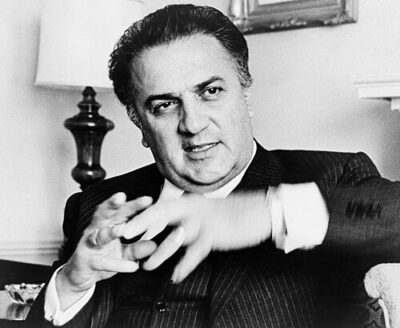 Federico FelliniItalian filmmaker (1920–1993)
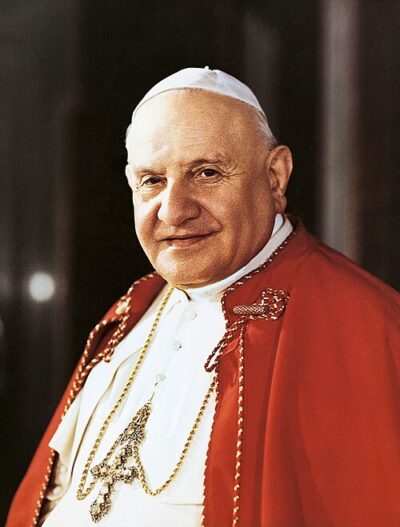 John XXIIIpriest, bishop, cardinal, pope
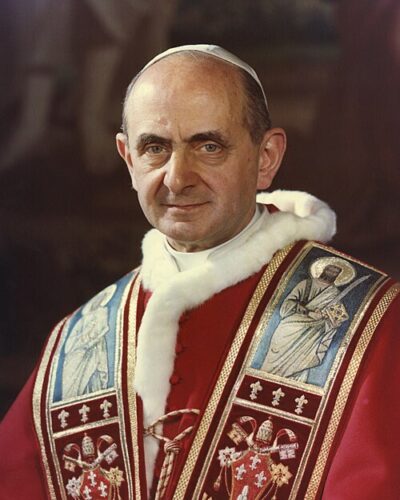 Paul VIpope of the Catholic Church from 1963 to 1978 (1897–1978)
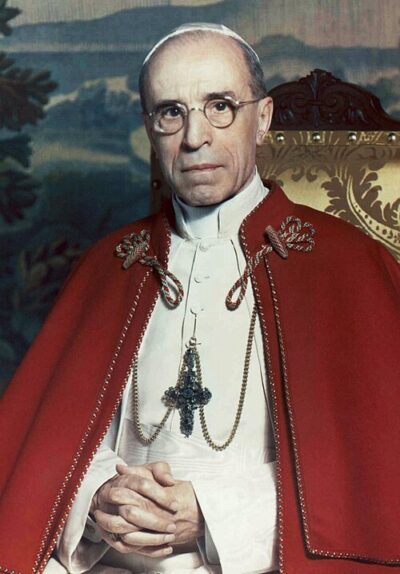 Pius XII (1895–1896)pope of the Catholic Church from 1939 to 1958
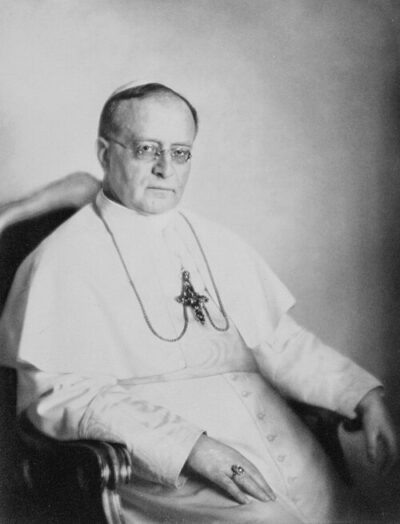 Pius XIpope of the Catholic Church from 1922 to 1939
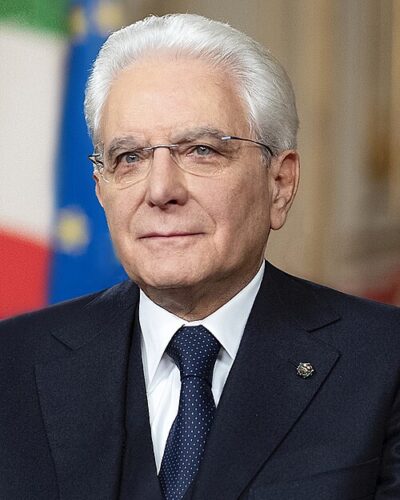 Sergio Mattarellapresident of Italy (2015–present)
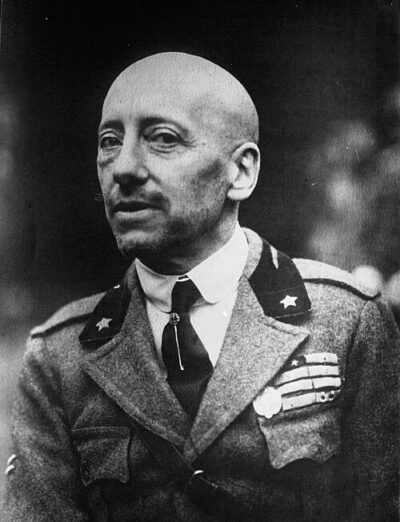 Gabriele D'AnnunzioItalian writer, poet, playwright, soldier and politician (1863-1938)
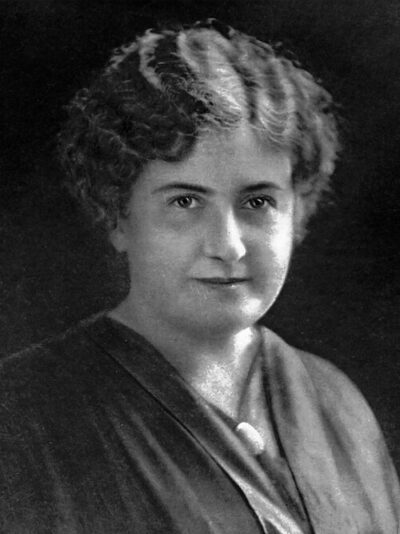 Maria MontessoriItalian physician and educator (1870-1952)
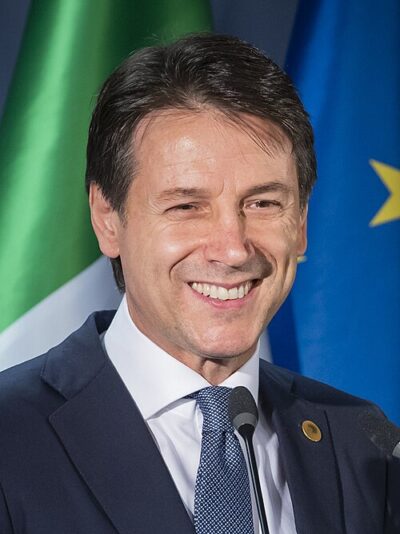 Giuseppe Conte (–1988)Prime Minister of Italy from 2018 to 2021
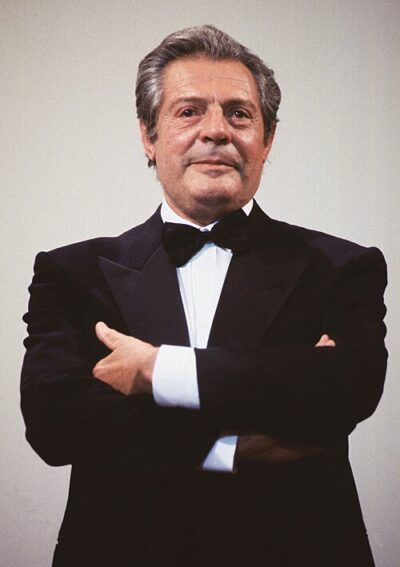 Marcello MastroianniItalian actor (1924–1996)
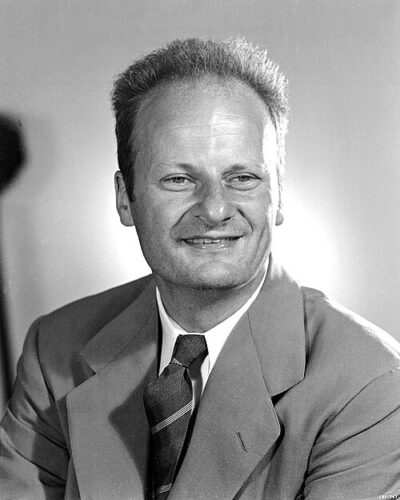 Hans Bethe (1930–1931)German-American nuclear physicist
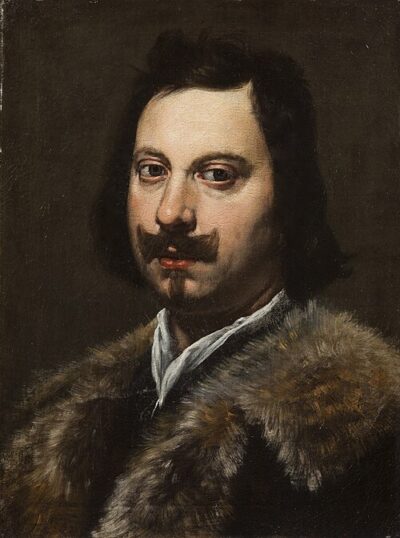 Evangelista Torricelli (1626–1632)Italian physicist and mathematician (1608-1647)
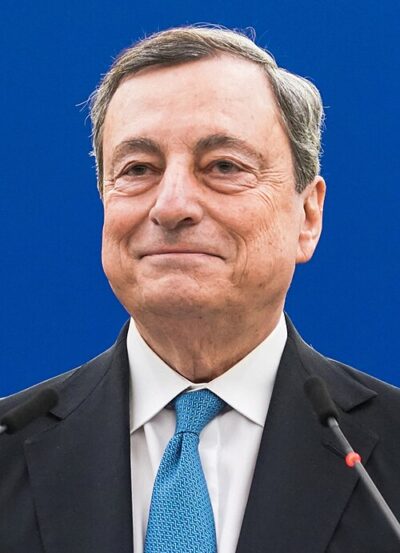 Mario Draghi (–1970)Italian economist, academic, banker and politician; former prime minister of Italy
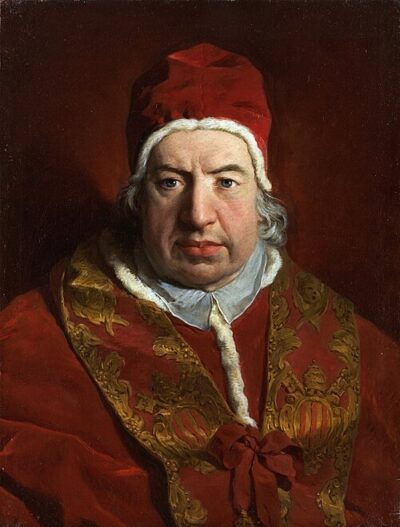 Benedict XIVpope of the Catholic Church from 1740 to 1758
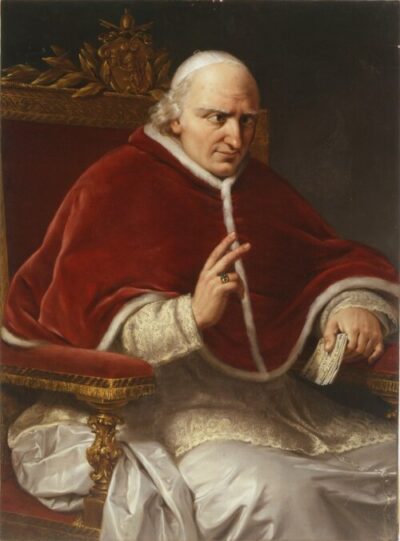 Pius VIIIPope of the Catholic Church from 1829 to 1830
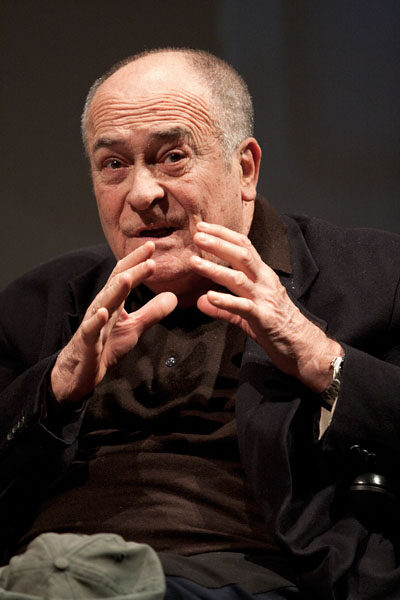 Bernardo BertolucciItalian film director and screenwriter (1941–2018)
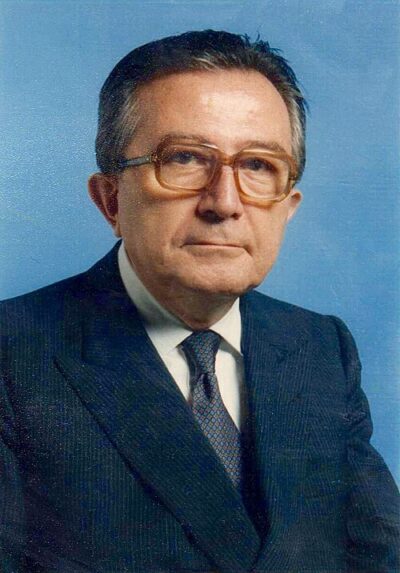 Giulio AndreottiItalian politician and statesman (1919–2013)
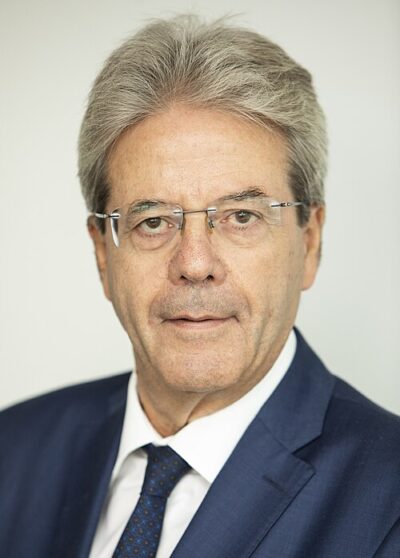 Paolo GentiloniItalian politician (born 1954)
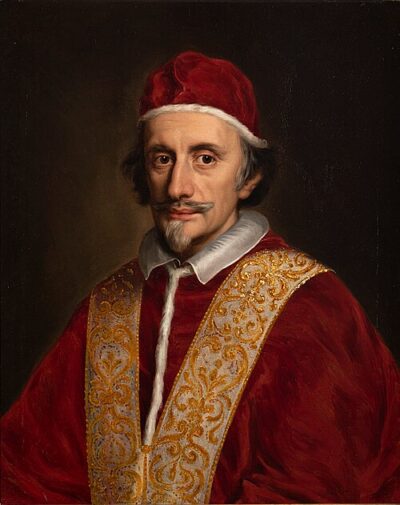 Innocent XIpope of the Catholic Church from 1676 to 1689
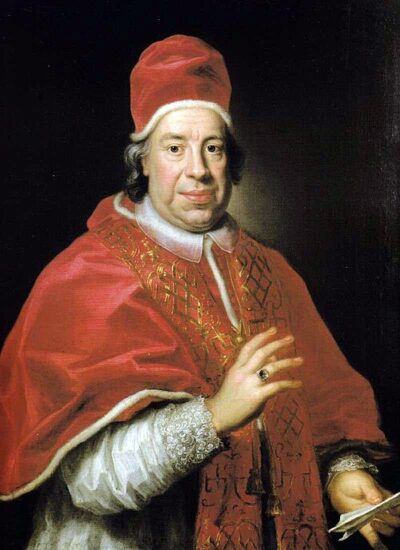 Innocent XIIIpope of the Catholic Church from 1721 to 1724
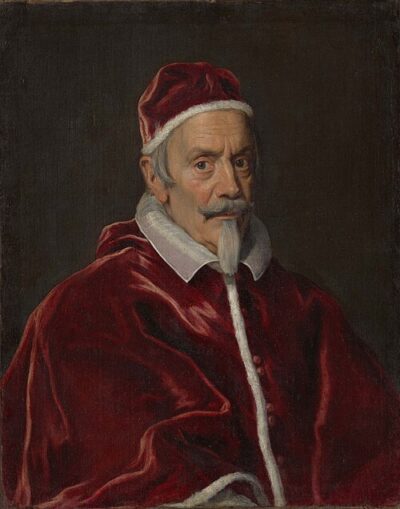 Clement Xpope of the Catholic Church from 1670 to 1676 (1590-1676)
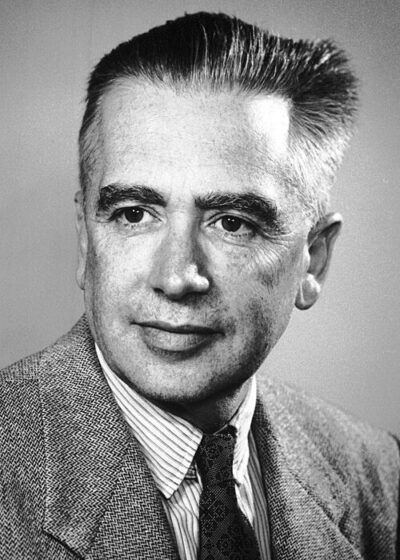 Emilio G. SegrèItalian physicist and Nobel laureate
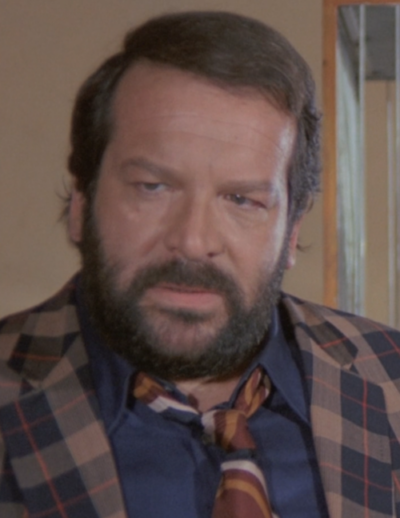 Bud SpencerItalian actor, lawyer, professional swimmer and water polo player (1929-2016)
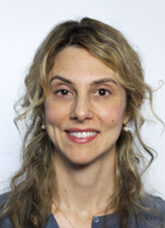 Marianna MadiaItalian politician
and 94 more
Worked here 53
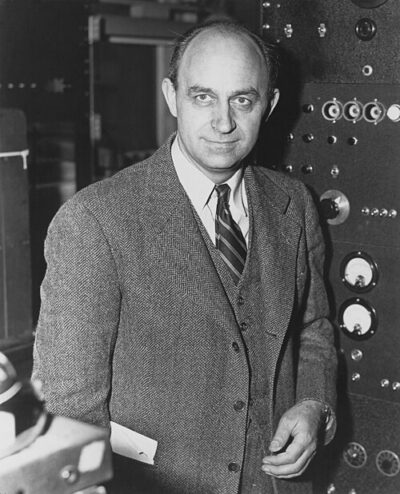 Enrico Fermi (1926–1938)Italian-American physicist (1901–1954)
- Maria MontessoriItalian physician and educator (1870-1952)
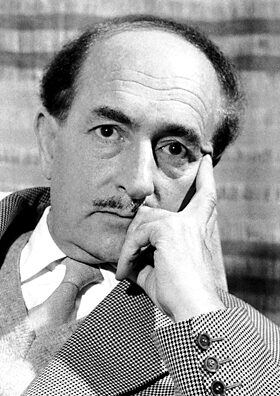 Salvatore QuasimodoItalian writer (1901-1968)
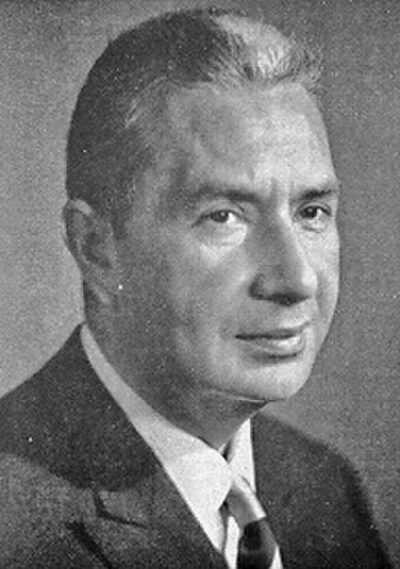 Aldo MoroItalian politician (1916-1978)
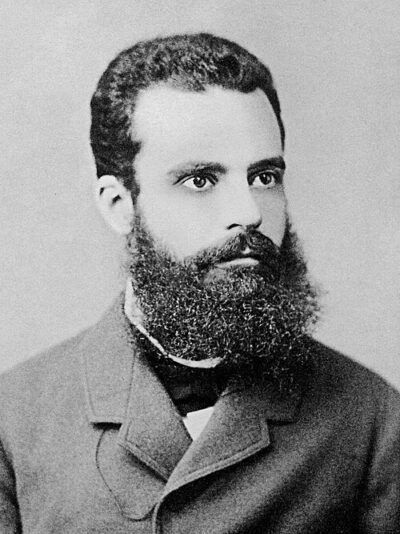 Vilfredo ParetoItalian economist and sociologist (1848-1923)
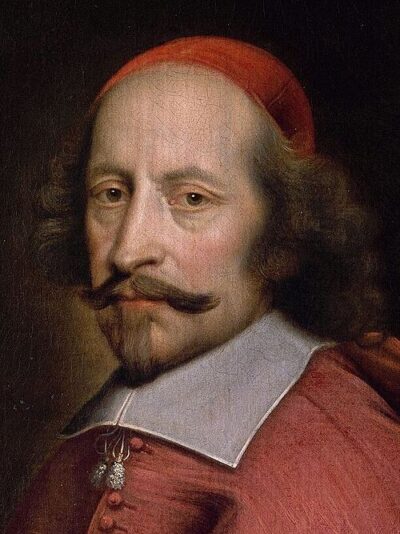 Cardinal MazarinFrench cardinal and statesman
- Emilio G. SegrèItalian physicist and Nobel laureate
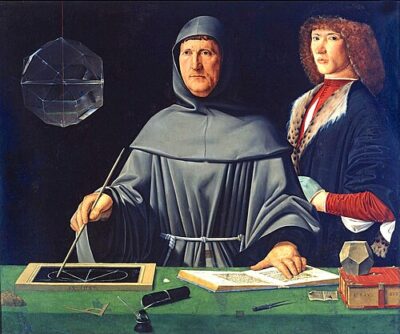 Luca PacioliItalian father of accounting (*~1445 – †1517)
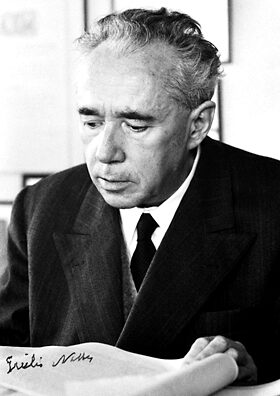 Giulio NattaItalian chemist
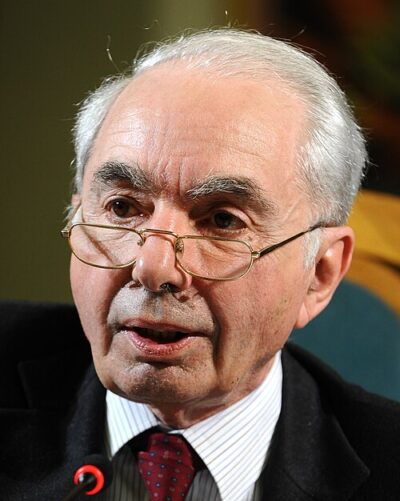 Giuliano AmatoItalian politician (born 1938)
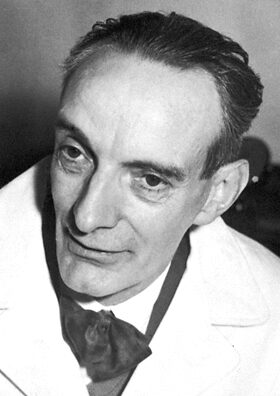 Daniel BovetNobel Prize-winning pharmacologist and Esperantist (1907–1992)
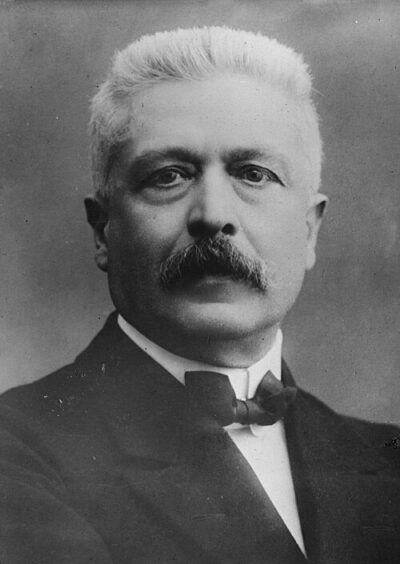 Vittorio Emanuele OrlandoItalian diplomat (1860–1952)
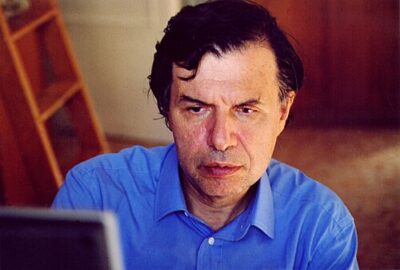 Giorgio ParisiItalian physicist (1948-)
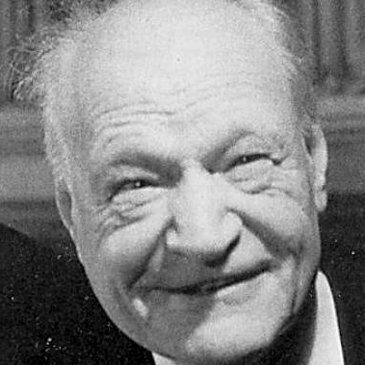 Giuseppe UngarettiItalian poet, writer and university teacher
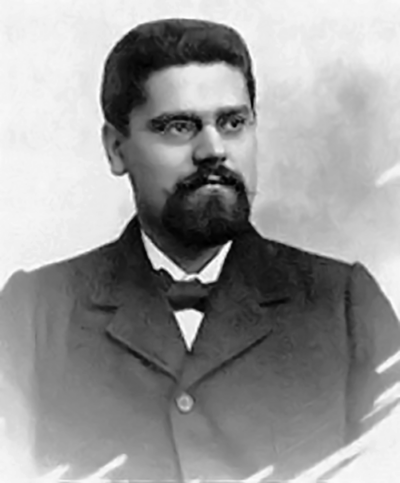 Giovanni Gentile (1917–1928)Italian philosopher, educator, fascist theoretician and politician (1875-1944)
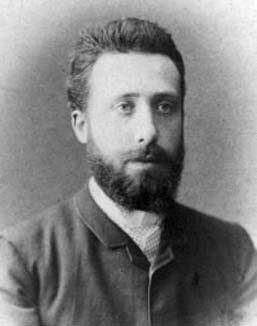 Vito Volterra (1900–1931)Italian mathematician and mathematical physicist (1860-1940)
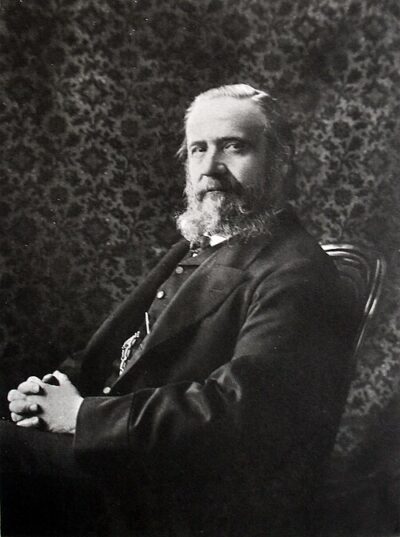 Stanislao CannizzaroItalian chemist (1826-1910)
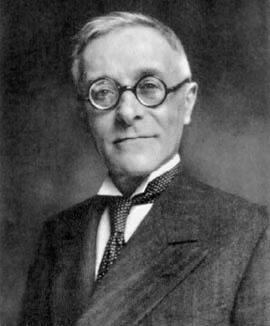 Tullio Levi-Civita (1918–1938)Italian mathematician and physicist (1873–1941)
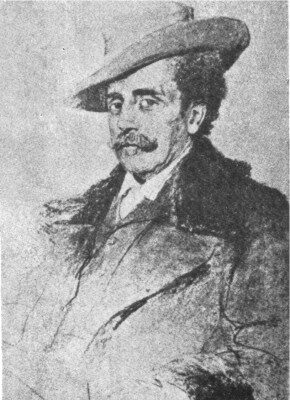 Antonio LabriolaItalian philosopher (1843-1904)
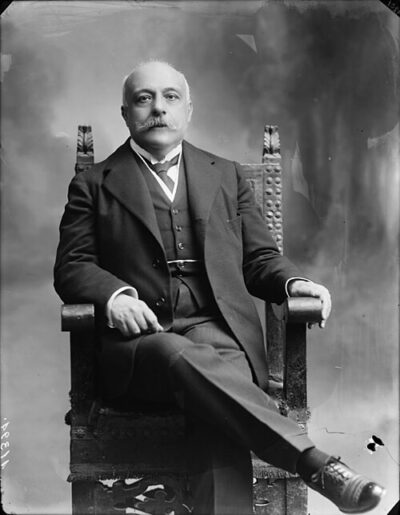 Antonio SalandraPrime Minister of Italy (1853-1931)
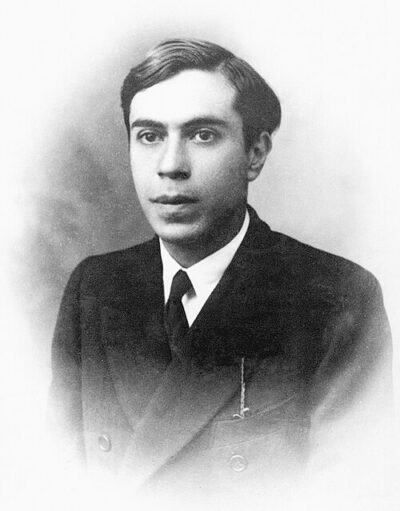 Ettore MajoranaItalian physicist (1906-1938?)
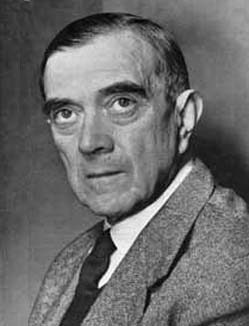 Corrado GiniItalian statistician (1884–1965)
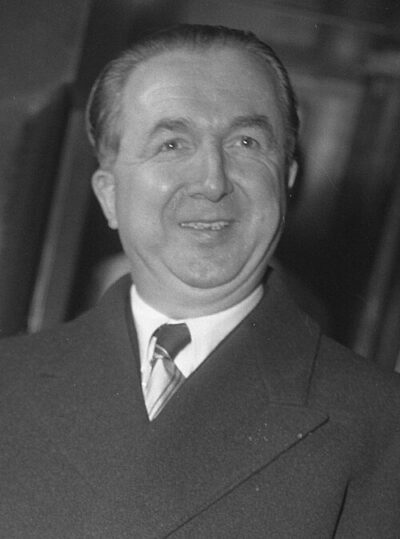 Giuseppe PellaItalian politician (1902-1981)
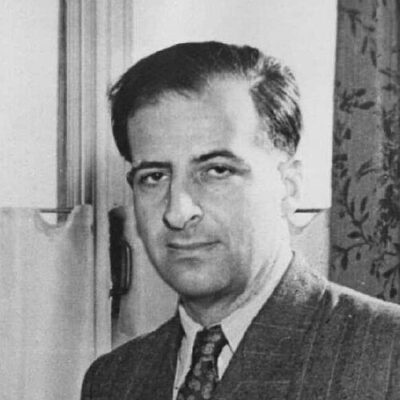 Bruno PontecorvoItalian nuclear physicist (1913–1993)
and 29 more
