
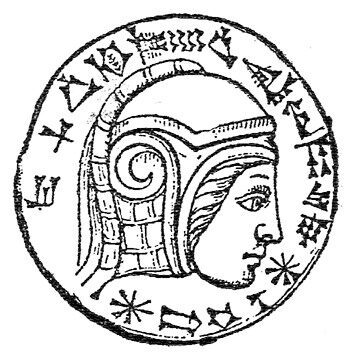
Nebuchadnezzar II
Nebuchadnezzar II was a King of Babylon. Born 642 BC, in Uruk. Died 561 BC, in Babylon. Positions held include King of Babylon (-605–-562). Known for Hanging Gardens of Babylon and Ishtar Gate.
Facts
21 facts · 0 confirmed by two sources · 2 cited · 18 from one source · 1 where the sources disagree
What’s different
- Died: we show 561 BC (Sources disagree). Wikidata also lists 562 BC
Where this comes from
Papalocal keeps its own record. It started from these sources; what each one said is kept here as it was copied, so a change on their side never changes this page by itself. Tap one to read its version.
What Wikidata says · copied November 16, 2026 · revision 2568739215
- Described as
- King of Babylon
- Other names
- Nebuchadnezzar, Nebuchadrezzar
- Born
- 642 BC
- Died
- 561 BC · 1 reference; 562 BC · 1 reference
- Born in
- Uruk · 1 reference
- Died in
- Babylon
- Citizen of
- Neo-Babylonian Empire
- Occupation
- monarch; leader; king · 1 reference
- Positions held
- King of Babylon (-605–-562)
- Known for
- Hanging Gardens of Babylon; Ishtar Gate
- Spouse
- Amytis of Media
- Children
- Amel-Marduk · 1 reference; Eanna-sharra-usur; Kaššaya; Nitocris of Babylon; Ba'u-asitu; Marduk-nadin-ahi
- Father
- Nabopolassar
- Siblings
- Nabu-shuma-lisir
- Religion
- Ancient Mesopotamian religion
- Wikipedias with a page
- 96
Wikidata item Q12591 (wikidata.org/wiki/Q12591), public domain (CC0). Copied November 16, 2026.
What Wikipedia says · copied November 16, 2026 · revision 1384677944
Nebuchadnezzar II, more faithfully spelled Nebuchadrezzar II, meaning "Nabu, watch over my heir", was the second king of the Neo-Babylonian Empire, ruling from the death of his father Nabopolassar in 605 BC to his own death in 562 BC. Often titled Nebuchadnezzar the Great, he is regarded as the empire's greatest king, famous for his military campaigns in the Levant and their role in Jewish history, and for his construction projects in his capital of Babylon. Ruling for 43 years, Nebuchadnezzar was the longest-reigning king of the Neo-Babylonian dynasty. By the time of his death, he was among the most powerful rulers in the world.
Possibly named after his grandfather of the same name or after Nebuchadnezzar I, one of Babylon's greatest warrior-kings, Nebuchadnezzar II had already secured renown for himself during his father's reign, leading armies in the Medo-Babylonian conquest of the Assyrian Empire. At the Battle of Carchemish in 605 BC, Nebuchadnezzar inflicted a crushing defeat on an Egyptian army led by Pharaoh Necho II and ensured that the Neo-Babylonian Empire would succeed the Neo-Assyrian Empire as the dominant power in the ancient Near East. Shortly after this victory, Nabopolassar died and Nebuchadnezzar became king.
Despite his successful military career during his father's reign, Nebuchadnezzar's early reign saw few achievements and witnessed a disastrous failed invasion of Egypt. This performance led some of Babylon's vassals to doubt Babylon's power and was the cause of brewing rebellion across his empire. After first putting down some insurrections in the east, Nebuchadnezzar turned his attention to the Levant and in the 580s BC engaged in a string of campaigns against his rebellious vassal states. In 587 BC Nebuchadnezzar besieged Jerusalem and destroyed it and the Kingdom of Judah, deporting much of its population in what became known as the Babylonian captivity. This episode earned Nebuchadnezzar a position of notoriety in Jewish history. Through this conquest, the subsequent capture of the Phoenician city of Tyre, and other campaigns in the Levant, Nebuchadnezzar restored the Neo-Babylonian Empire's fortunes in the ancient Near East.
Beyond his military campaigns, Nebuchadnezzar is remembered as a great builder who erected many of Babylon's religious buildings, including the Esagila and Etemenanki, embellished its palaces and beautified its ceremonial centre through renovations to the city's processional street and the Ishtar Gate. As most of Nebuchadnezzar's inscriptions deal with his building projects rather than military accomplishments, he was for a time seen by historians mostly as a builder rather than a warrior.
From the Wikipedia article “Nebuchadnezzar II” (en.wikipedia.org/wiki/Nebuchadnezzar_II), by its contributors, under CC BY-SA 4.0 (creativecommons.org/licenses/by-sa/4.0/). Copied November 16, 2026; not changed.
Confirmed Two sources agree. Cited One source, and it names where it got it. One source One source, without a reference of its own. Sources disagree The sources disagree. We show the best-supported value and keep theirs below.
