
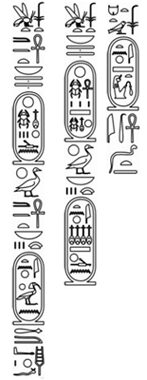
Neferneferuaten
Neferneferuaten was an ancient Egyptian ruler, co-regent. Born 14th century BC. Died 14th century BC. Positions held include pharaoh (-1336–-1329).
Facts
6 facts · 0 confirmed by two sources · 1 cited · 5 from one source
Where this comes from
Papalocal keeps its own record. It started from these sources; what each one said is kept here as it was copied, so a change on their side never changes this page by itself. Tap one to read its version.
What Wikidata says · copied November 16, 2026 · revision 2554110426
- Described as
- ancient Egyptian ruler, co-regent
- Born
- 14th century BC
- Died
- 14th century BC
- Citizen of
- Ancient Egypt
- Occupation
- sovereign; monarch
- Positions held
- pharaoh (-1336–-1329) · 1 reference
- Wikipedias with a page
- 31
Wikidata item Q157958 (wikidata.org/wiki/Q157958), public domain (CC0). Copied November 16, 2026.
What Wikipedia says · copied November 16, 2026 · revision 1382341541
Ankhkheperure-Merit-Neferkheperure/Waenre/Aten Neferneferuaten (Ancient Egyptian: nfr-nfrw-jtn), or "Neferneferuaten", is the name of a queen regnant ('female king') of ancient Egypt who reigned in her own right near the end of the Amarna Period during the Eighteenth Dynasty. Her name features feminine gender traces, and one of her epithets was Akhet-en-hyes ("Beneficial for her husband") which proves she was a female king. This epithet also features in one version of her nomen (birth name) cartouche. (See Ancient Egyptian royal titulary.) The name Neferneferuaten translates as "Perfect/Beautiful is the perfection/beauty of Aten".
There is debate among Egyptologists whether Neferneferuaten is to be identified with Pharaoh Smenkhkare (with whom she shared the throne name Ankhkheperure), or whether they were separate individuals, with Nefertiti, Akhenaten's queen, often proposed as a candidate for her identity.
From the Wikipedia article “Neferneferuaten” (en.wikipedia.org/wiki/Neferneferuaten), by its contributors, under CC BY-SA 4.0 (creativecommons.org/licenses/by-sa/4.0/). Copied November 16, 2026; not changed.
Confirmed Two sources agree. Cited One source, and it names where it got it. One source One source, without a reference of its own. Sources disagree The sources disagree. We show the best-supported value and keep theirs below.
