
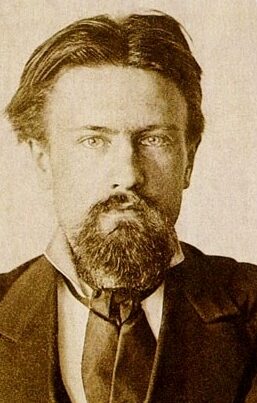
Nikolai Kibalchich
Nikolai Kibalchich was an Ukrainian revolutionary and scientist. Born October 19, 1853, in Korop. Died April 3, 1881, in Saint Petersburg. Awards include International Space Hall of Fame.
Facts
15 facts · 2 confirmed by two sources · 3 cited · 10 from one source
Where this comes from
Papalocal keeps its own record. It started from these sources; what each one said is kept here as it was copied, so a change on their side never changes this page by itself. Tap one to read its version.
What Wikidata says · copied November 16, 2026 · revision 2532303811
- Described as
- Ukrainian revolutionary and scientist (1853-1881)
- Other names
- Nikolai Ivanovich Kibalchich
- Born
- October 19, 1853
- Died
- April 3, 1881
- Born in
- Korop
- Died in
- Saint Petersburg · 1 reference
- Buried in
- Cemetery of the Victims of January 9
- Cause of death
- hanging to death
- Citizen of
- Russian Empire
- Occupation
- journalist; chemist; politician · 1 reference; scientist; inventor; revolutionary · 1 reference
- Awards
- International Space Hall of Fame (1976) · 2 references
- Religion
- atheism
- Wikipedias with a page
- 32
Wikidata item Q723519 (wikidata.org/wiki/Q723519), public domain (CC0). Copied November 16, 2026.
What Wikipedia says · copied November 16, 2026 · revision 1384204844
Nikolai Ivanovich Kibalchich (19 October 1853 – April 3, 1881) was a Russian revolutionary and rocket pioneer of Ukrainian-Serbian origin who took part in the assassination of Tsar Alexander II as the main explosive expert for Narodnaya Volya. He was a distant cousin of revolutionary Victor Serge.
- Born, in its opening lines
- October 19, 1853
- Died, in its opening lines
- April 3, 1881
From the Wikipedia article “Nikolai Kibalchich” (en.wikipedia.org/wiki/Nikolai_Kibalchich), by its contributors, under CC BY-SA 4.0 (creativecommons.org/licenses/by-sa/4.0/). Copied November 16, 2026; not changed.
Confirmed Two sources agree. Cited One source, and it names where it got it. One source One source, without a reference of its own. Sources disagree The sources disagree. We show the best-supported value and keep theirs below.
