
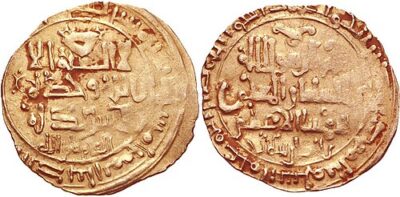
Nizam al-Mulk
Nizam al-Mulk was a Persian Seljuk scholar, politician, vizier and court official. Born April 10, 1018, in Tus. Died October 14, 1092, in Sahneh. Positions held include vizier (1064–1092), ruler (1072–1092) and Atabeg. Known for Siyasatnama.
Facts
26 facts · 2 confirmed by two sources · 5 cited · 19 from one source
Where this comes from
Papalocal keeps its own record. It started from these sources; what each one said is kept here as it was copied, so a change on their side never changes this page by itself. Tap one to read its version.
What Wikidata says · copied November 16, 2026 · revision 2570016885
- Described as
- Persian Seljuk scholar, politician, vizier and court official (1018–1092)
- Other names
- Nizamülmülk
- Born
- April 10, 1018 · 1 reference
- Died
- October 14, 1092 · 3 references
- Born in
- Tus · 1 reference
- Died in
- Sahneh
- Buried in
- Tomb of Nizam al-Mulk
- Cause of death
- stab wound · 4 references
- Name at birth
- الحسن بن علي بن إسحاق الطُوسي
- Citizen of
- Ghaznavid Empire; Abbasid Caliphate; Seljuk Empire
- Occupation
- scientist; writer; politician; statesperson; vizier · 2 references; warrior
- Positions held
- vizier (1064–1092); ruler (1072–1092); Atabeg
- Known for
- Siyasatnama · 1 reference
- Children
- Fakhr al-Mulk; Mu'ayyid al-Mulk; Ahmad ibn Nizam al-Mulk; Shams al-Mulk Uthman
- Father
- Ali ibn Ishak
- Religion
- Sunni Islam · 1 reference
- Wikipedias with a page
- 53
Wikidata item Q298427 (wikidata.org/wiki/Q298427), public domain (CC0). Copied November 16, 2026.
What Wikipedia says · copied November 16, 2026 · revision 1384862305
Abū ʿAlī al-Ḥasan ibn ʿAlī Ṭūsī (Persian: ابوعلی حسن بن علی طوسی) (1018 – 1092), better known by his honorific title of Niẓām al-Mulk (Persian: نظامالملک, lit. 'Orderer of the Realm'), was a Persian Sunni scholar, jurist, and vizier of the Seljuk Empire. Rising from a low position within the empire, he became the de facto ruler of the realm for 20 years after the assassination of Sultan Alp Arslan in 1072, and is often portrayed in Persianate historical traditions as the archetypal "good vizier". Widely regarded as one of the most influential statesmen in medieval Islamic history, the administrative policies and bureaucratic frameworks formalized by Nizam al-Mulk deeply influenced Perso-Islamic statecraft for centuries.
One of his most important legacies was the founding of a system of madrasas in cities across the Seljuk Empire which were called the Nizamiyyas after him. He is also traditionally credited with authoring the Siyasatnama (Book of Government), a political and administrative treatise that uses historical anecdotes to pragmatically discuss justice, effective rule, and the role of the bureaucracy in Islamic society.
- Born, in its opening lines
- 1018
- Died, in its opening lines
- 1092
From the Wikipedia article “Nizam al-Mulk” (en.wikipedia.org/wiki/Nizam_al-Mulk), by its contributors, under CC BY-SA 4.0 (creativecommons.org/licenses/by-sa/4.0/). Copied November 16, 2026; not changed.
Confirmed Two sources agree. Cited One source, and it names where it got it. One source One source, without a reference of its own. Sources disagree The sources disagree. We show the best-supported value and keep theirs below.
