vizier
Vizier is a high-ranking political advisor or minister.
- Country
- Ottoman Empire
All 4 facts, and where they come from
Facts
4 facts · 0 confirmed by two sources · 2 cited · 2 from one source
Where this comes from
Papalocal keeps its own record. It started from these sources; what each one said is kept here as it was copied, so a change on their side never changes this page by itself. Tap one to read its version.
What Wikidata says · copied November 17, 2026 · revision 2567909410
- Described as
- high-ranking political advisor or minister
- Other names
- wazir, vizir, vizeer, wezir, vezir
- What it is
- position; noble title; historical position · 1 reference
- Country
- Ottoman Empire · 1 reference
- Wikipedias with a page
- 71
Wikidata item Q175240 (wikidata.org/wiki/Q175240), public domain (CC0). Copied 2026-11-17.
What Wikipedia says · copied November 17, 2026 · revision 1372682765
Historically, a vizier (; Arabic: وزير, romanized: wazīr; Persian: وزیر, romanized: vazīr), also transliterated as wazir, is a high-ranking political advisor or minister in the countries of "greater Persia". The Abbasid caliphs gave the title wazir to a minister formerly called katib (secretary), who was at first merely a helper but afterwards became the representative and successor of the dapir (official scribe or secretary) of the Sasanian kings.
In modern usage, the term has been used for government ministers in much of West Asia, South Asia, North Africa, and beyond. Several alternative spellings are used in English, such as vizir, wazir, and vezir.
A collection of Vizier may introduce a Grand Vizier, within their civilization.
From the Wikipedia article “Vizier” (en.wikipedia.org/wiki/Vizier), by its contributors, under CC BY-SA 4.0 (creativecommons.org/licenses/by-sa/4.0/). Copied 2026-11-17; not changed.
Confirmed Two sources agree. Cited One source, and it names where it got it. One source One source, without a reference of its own. Sources disagree The sources disagree. We show the best-supported value and keep theirs below.
People connected 15
Held this office
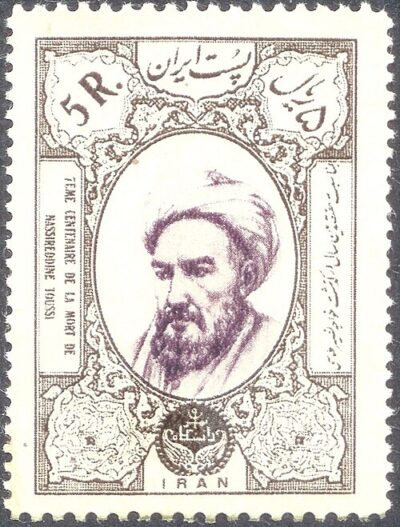 Nasir al-Din al-Tusi (1256–1263)Persian astronomer (1201–1274)
 Nizam al-Mulk (1064–1092)Persian Seljuk scholar, politician, vizier and court official (1018–1092)
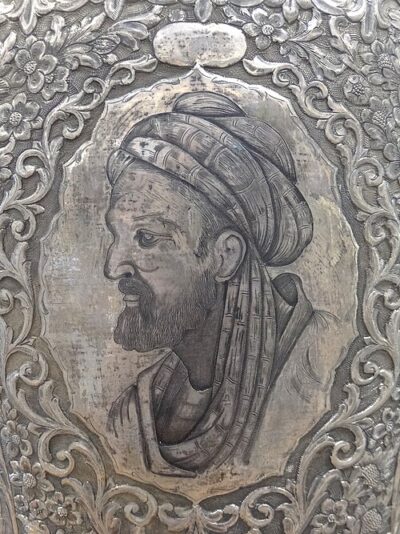 Avicenna (1024–1037)Persian polymath, physician and philosopher (c. 980–1037)
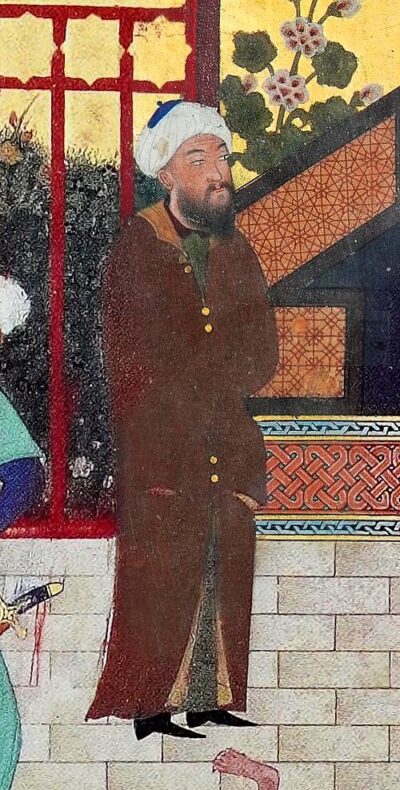 Ali-Shir Nava'iTurkic poet and politician (1441–1501)
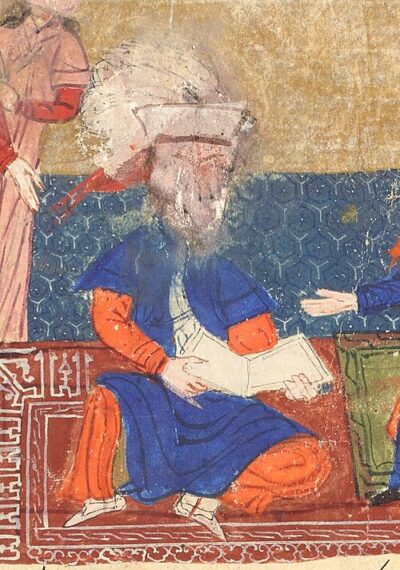 Rashid-al-Din HamadaniPersian physician and historian (1247-1318)
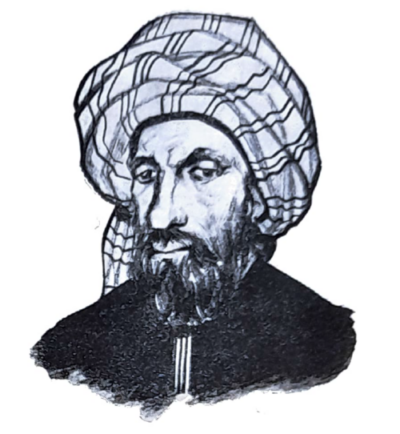 AvempaceArab Andalusian polymath (c. 1085 – 1138)
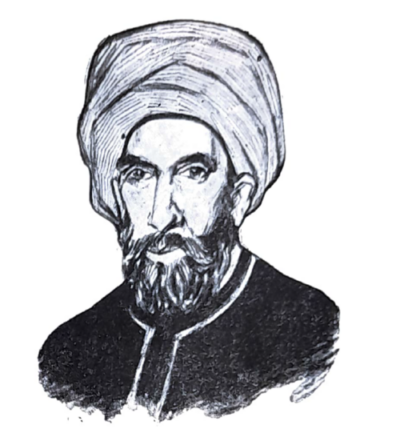 Ibn TufaylArab Muslim polymath (c. 1105–1185)
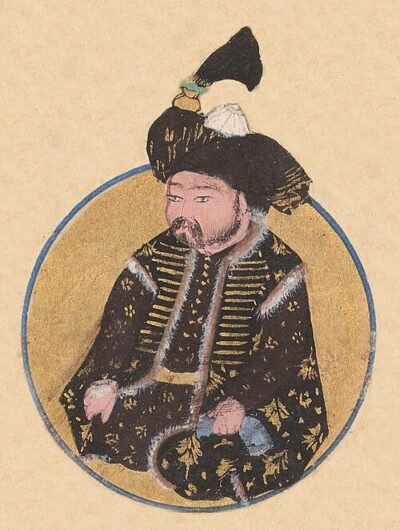 Abu Muslim al KhorasaniAbbasid general
 Abu'l-Fazl ibn MubarakGrand vizier of Mughal emperor Akbar from 1579 to 1602
 Ibn ZuhrArab physician, surgeon and poet (1094–1162)
 Asaf Jah I of Hyderabad18th-century Nizam of Hyderabad
 Ibn al-KhatibAndalusi polymath, poet and historian (1313–1374)
Occupation
- Nizam al-MulkPersian Seljuk scholar, politician, vizier and court official (1018–1092)
- Ibn ZuhrArab physician, surgeon and poet (1094–1162)
 HemiunuEgyptian architect and vizier
- AAbu'l-Fadl al-Bal'amiSamanid Vizier (died 940)