
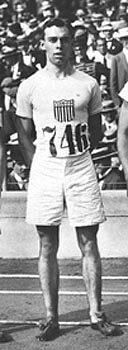
Norman Taber
Norman Taber was an athletics competitor. Born September 3, 1891, in Providence. Died July 15, 1952, in Orange. Educated at Brown University and St John's College. Awards include Rhodes Scholarship.
Facts
12 facts · 2 confirmed by two sources · 6 cited · 4 from one source
Where this comes from
Papalocal keeps its own record. It started from these sources; what each one said is kept here as it was copied, so a change on their side never changes this page by itself. Tap one to read its version.
What Wikidata says · copied November 18, 2026 · revision 2567206923
- Described as
- athletics competitor (1891-1952)
- Other names
- Norman Stephen Taber
- Born
- September 3, 1891
- Died
- July 15, 1952
- Born in
- Providence · 1 reference
- Died in
- Orange · 1 reference
- Citizen of
- United States
- Occupation
- athletics competitor · 1 reference; athlete · 1 reference
- Education
- Brown University; St John's College · 1 reference
- Sport
- athletics
- Awards
- Rhodes Scholarship (1913) · 1 reference
- Height
- 1.74 m (5 ft 9 in)
- Wikipedias with a page
- 18
Wikidata item Q149210 (wikidata.org/wiki/Q149210), public domain (CC0). Copied November 18, 2026.
What Wikipedia says · copied November 18, 2026 · revision 1364240941
Norman Stephen Taber (September 3, 1891 – July 15, 1952) was an American middle distance runner. He was the first amateur runner to surpass Walter George's professional record in the mile, set nearly 30 years previously. He also won a bronze medal over 1500 m and a gold medal in the team 3000 m at the Olympic Games in Stockholm 1912.
- Born, in its opening lines
- September 3, 1891
- Died, in its opening lines
- July 15, 1952
From the Wikipedia article “Norman Taber” (en.wikipedia.org/wiki/Norman_Taber), by its contributors, under CC BY-SA 4.0 (creativecommons.org/licenses/by-sa/4.0/). Copied November 18, 2026; not changed.
Confirmed Two sources agree. Cited One source, and it names where it got it. One source One source, without a reference of its own. Sources disagree The sources disagree. We show the best-supported value and keep theirs below.
