
Rhodes Scholarship
Rhodes Scholarship is an international postgraduate award for students to study at the University of Oxford. It was created in 1902. It is given by The Rhodes Trust.
- Given by
- The Rhodes Trust
- Country
- United Kingdom
- Created
- 1902
All 6 facts, and where they come from
Facts
6 facts · 0 confirmed by two sources · 0 cited · 6 from one source
Where this comes from
Papalocal keeps its own record. It started from these sources; what each one said is kept here as it was copied, so a change on their side never changes this page by itself. Tap one to read its version.
What Wikidata says · copied November 16, 2026 · revision 2529723516
- Described as
- international postgraduate award for students to study at the University of Oxford
- Other names
- Rhodes Scholar
- What it is
- scholarship
- Created
- 1902
- Country
- United Kingdom
- Given by
- The Rhodes Trust
- Named after
- Cecil John Rhodes
- Official website
- http://www.rhodeshouse.ox.ac.uk/
- Wikipedias with a page
- 31
Wikidata item Q1204346 (wikidata.org/wiki/Q1204346), public domain (CC0). Copied 2026-11-16.
What Wikipedia says · copied November 16, 2026 · revision 1384743367
The Rhodes Scholarship is a British-based international postgraduate award for students to study at the University of Oxford in Oxford, United Kingdom. The scholarship is open to people from all backgrounds around the world.
Established in 1902, it is one of the oldest graduate scholarships in the world and one of the most prestigious international scholarship programmes. Its founder, Cecil John Rhodes, wanted to promote unity among English-speaking nations and instil a sense of civic-minded leadership and moral fortitude in future leaders, irrespective of their chosen career paths.
The scholarship committee selects candidates based on a combination of literary and academic achievements, athletic involvement, character traits like truth and courage, and leadership potential, originally assessed on a 200-point scale. In 2018, the criteria were revised to emphasize using one's talents and caring for others. The American Rhodes Scholarship is highly competitive, with an acceptance rate of around four percent in recent years, while other countries have varying rates. Scholars can study full-time postgraduate courses at Oxford for one to three years, receiving financial support for tuition and living expenses, along with access to Rhodes House facilities.
The Rhodes Scholarship has faced controversies since its inception, primarily concerning the exclusion of women and black Africans. Initially, the scholarship was limited to male students within the Commonwealth of Nations, Germany, and the United States, a restriction that only changed in 1977 following the passage of the Sex Discrimination Act. Protests for the inclusion of non-white scholars began in the 1970s, but it was not until 1991 that black South Africans were awarded the scholarship due to the political changes in the country. Additionally, criticism of Cecil Rhodes's colonialist legacy has spurred movements calling for a reevaluation of the scholarship and its ties to Rhodes's views. Critics have also highlighted the tendency of recipients to pursue careers in business rather than public service, diverging from the scholarship's original intent.
From the Wikipedia article “Rhodes Scholarship” (en.wikipedia.org/wiki/Rhodes_Scholarship), by its contributors, under CC BY-SA 4.0 (creativecommons.org/licenses/by-sa/4.0/). Copied 2026-11-16; not changed.
Confirmed Two sources agree. Cited One source, and it names where it got it. One source One source, without a reference of its own. Sources disagree The sources disagree. We show the best-supported value and keep theirs below.
People connected 72
Won it 72
 Hou Yifan (2018)Chinese chess player
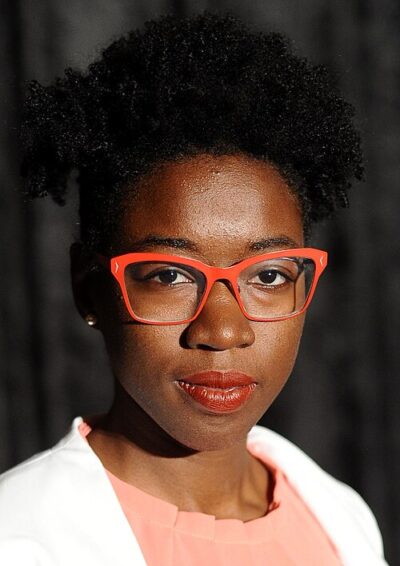 Joy Buolamwini (2013)American computer scientist and digital activist
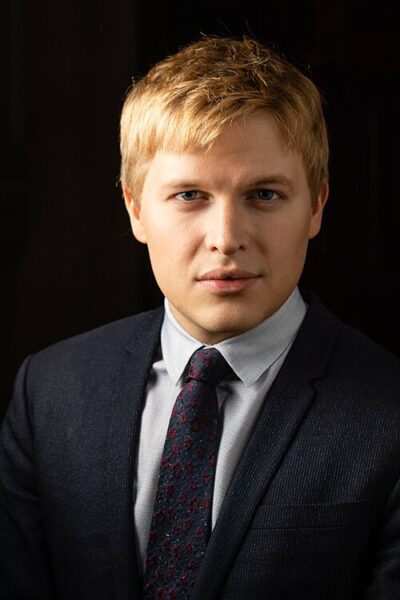 Ronan Farrow (2012)American journalist
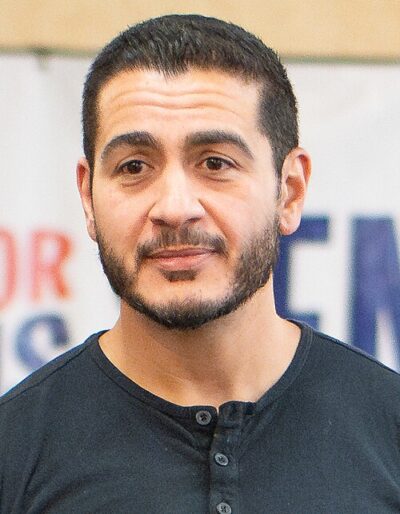 Abdul El-Sayed (2009)American politician and epidemiologist (born 1984)
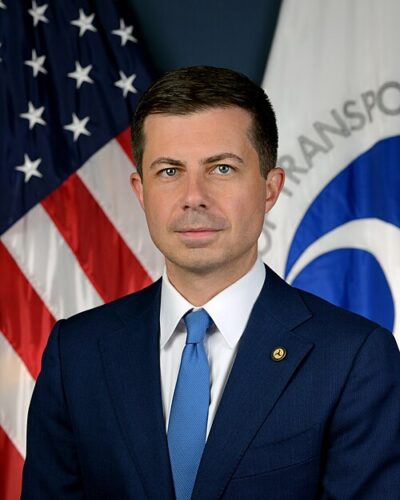 Pete Buttigieg (2005)American politician (born 1982)
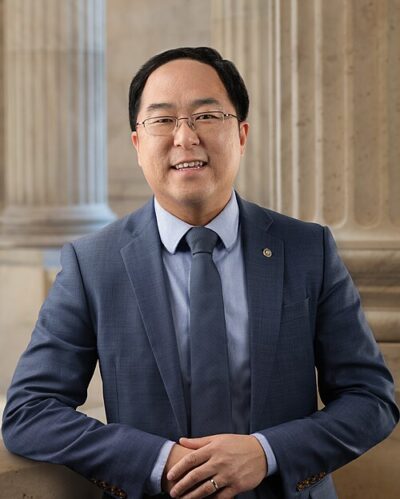 Andy Kim (2005)American politician and diplomat (born 1982)
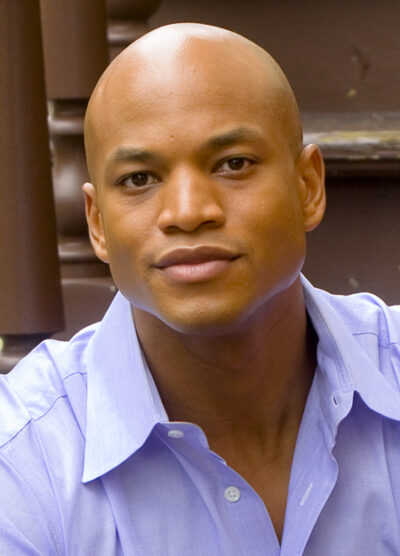 Wes Moore (2000)American politician, investment banker, author and television producer
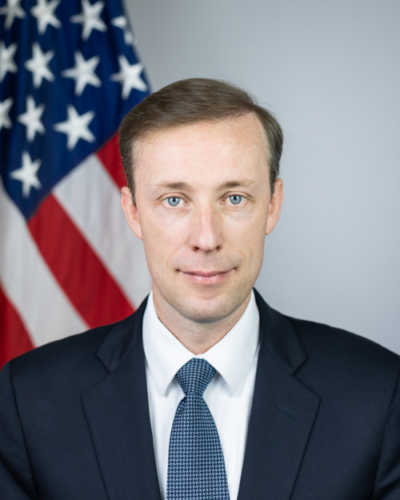 Jake Sullivan (1998)American attorney and politician (born 1976)
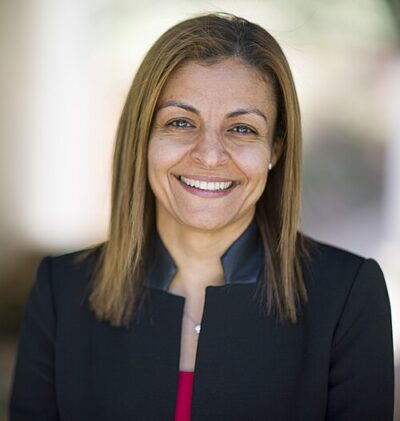 Maryana Iskander (1997)American social entrepreneur and lawyer, CEO of Wikimedia Foundation (2022-2026)
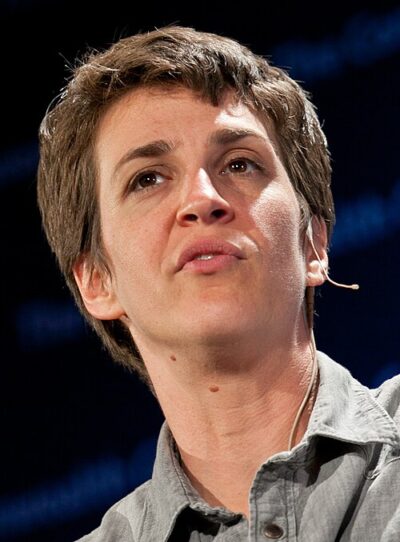 Rachel Maddow (1995)American television news host and political commentator (born 1973)
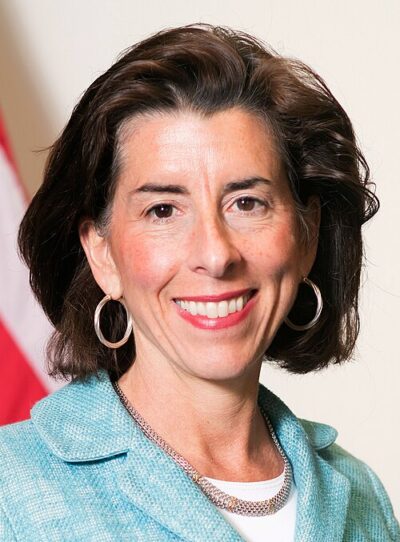 Gina Raimondo (1993)40th United States Secretary of Commerce
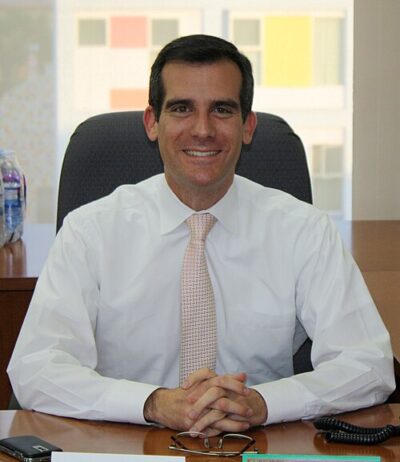 Eric Garcetti (1993)American politician and diplomat (born 1971)
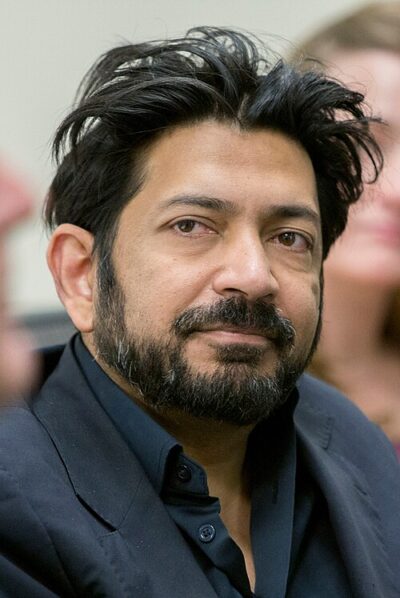 Siddhartha Mukherjee (1993)Indian-American physician and writer (born 1970)
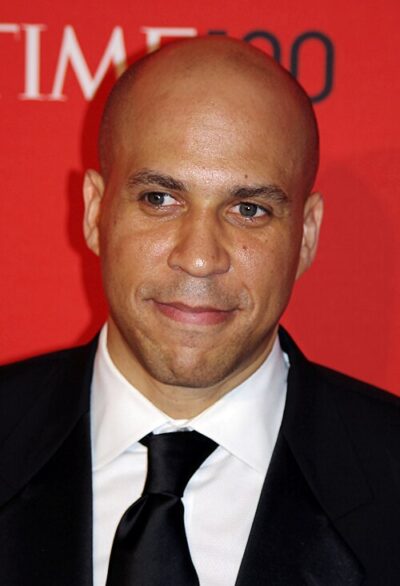 Cory Booker (1992)American politician (born 1969)
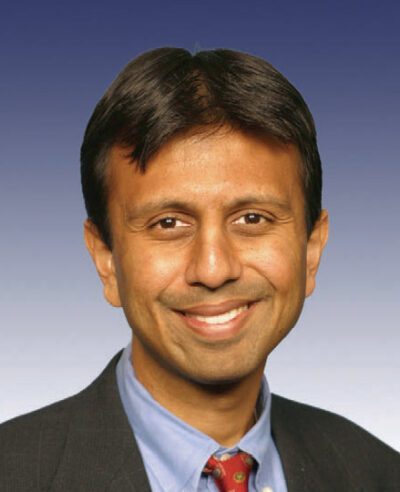 Bobby Jindal (1992)American politician and 55th governor of Louisiana (born 1971)
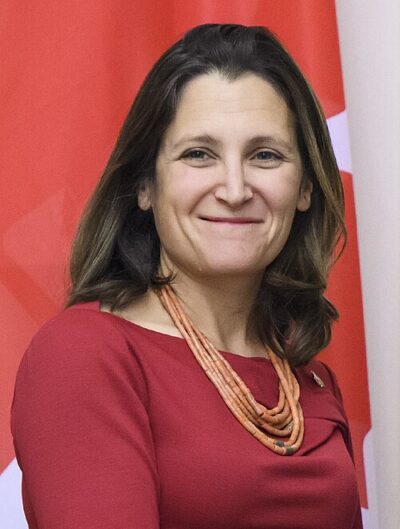 Chrystia Freeland (1991)Canadian politician and journalist (born 1968)
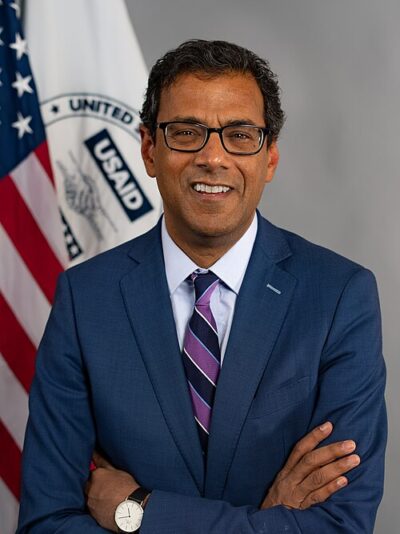 Atul Gawande (1987)American surgeon
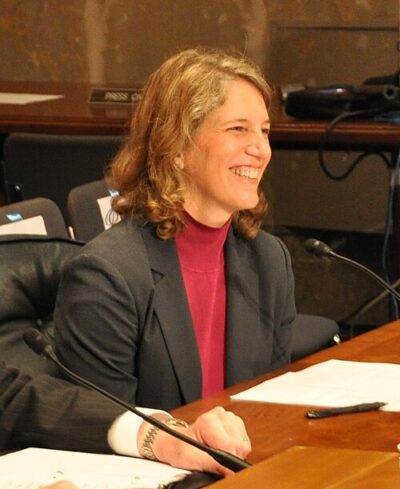 Sylvia Burwell (1987)former United States Secretary of Health and Human Services
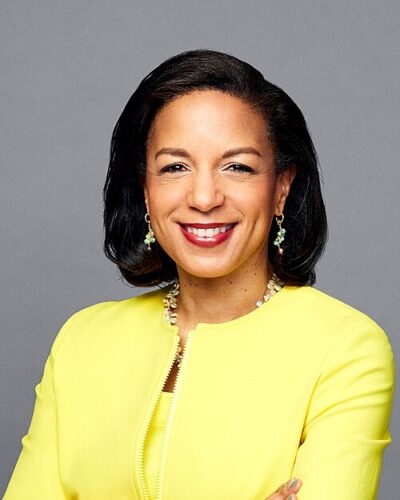 Susan Rice (1986)American diplomat and policy advisor (born 1964)
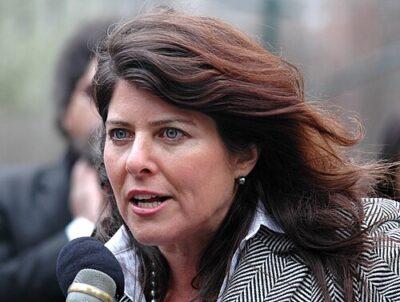 Naomi Wolf (1985–1988)American feminist and journalist (born 1962)
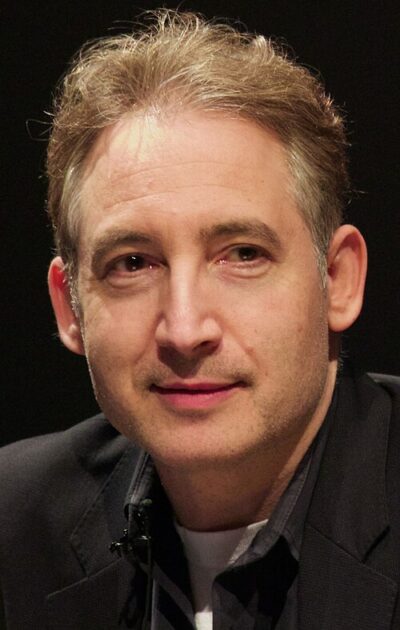 Brian Greene (1984)American physicist
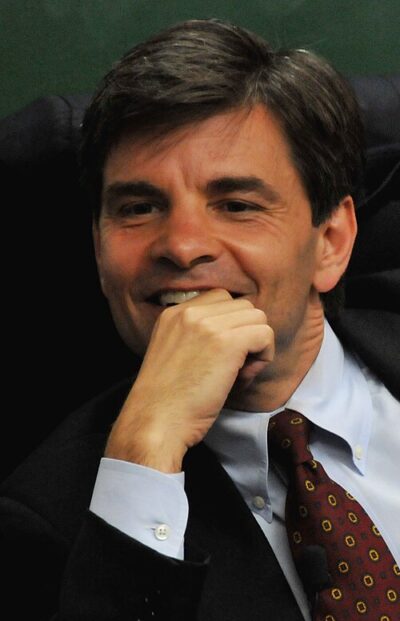 George Stephanopoulos (1984)American government official, journalist, writer
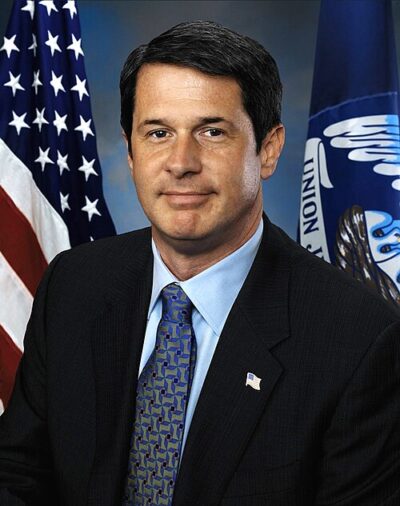 David Vitter (1983)American politician (born 1961)
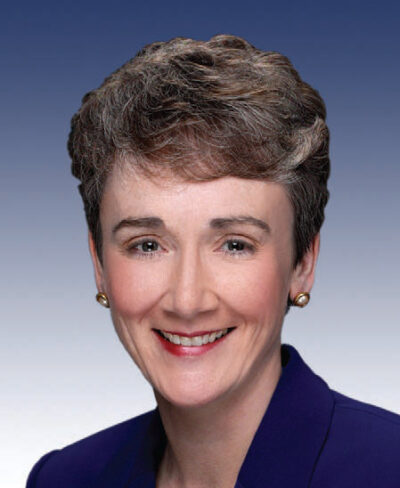 Heather Wilson (1982)American academic administrator (born 1960)
and 48 more
