
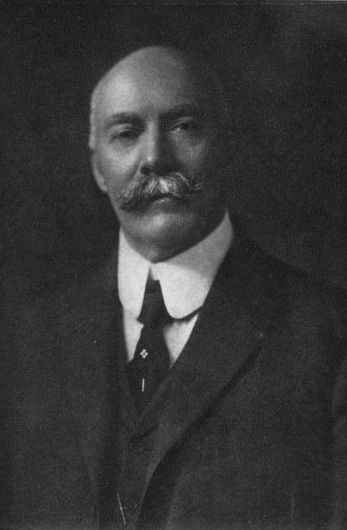
Orison Swett Marden
Orison Swett Marden was an American writer. Born June 11, 1848, in Thornton. Died March 10, 1924, in New York City. Educated at Harvard University.
Facts
13 facts · 2 confirmed by two sources · 4 cited · 7 from one source
Where this comes from
Papalocal keeps its own record. It started from these sources; what each one said is kept here as it was copied, so a change on their side never changes this page by itself. Tap one to read its version.
What Wikidata says · copied November 18, 2026 · revision 2553709623
- Described as
- American writer (1848-1924)
- Other names
- O. Swett Marden, Orison Swett Marden Sr., Orison S. Marden, Orison Marden
- Born
- June 11, 1848 · 1 reference
- Died
- March 10, 1924 · 3 references
- Born in
- Thornton · 1 reference
- Died in
- New York City · 1 reference
- Citizen of
- United States
- Occupation
- physician writer; poet lawyer; medical author · 1 reference; philosopher · 1 reference; writer · 2 references; psychologist · 1 reference
- Education
- Harvard University
- Children
- Orison Swett Marden, Jr.
- Wikipedias with a page
- 17
Wikidata item Q7102841 (wikidata.org/wiki/Q7102841), public domain (CC0). Copied November 18, 2026.
What Wikipedia says · copied November 18, 2026 · revision 1356817631
Dr. Orison Swett Marden (1848–1924) was an American inspirational author who wrote about achieving success in life and founded Success magazine in 1897. His writings discussed principles and virtues which Marden argued would make for a successful life through adoption of the New Thought philosophy.
His first book, Pushing to the Front (1894), became an instant best-seller. Marden later published fifty or more books and booklets, averaging two titles per year.
- Born, in its opening lines
- 1848
- Died, in its opening lines
- 1924
From the Wikipedia article “Orison Swett Marden” (en.wikipedia.org/wiki/Orison_Swett_Marden), by its contributors, under CC BY-SA 4.0 (creativecommons.org/licenses/by-sa/4.0/). Copied November 18, 2026; not changed.
Confirmed Two sources agree. Cited One source, and it names where it got it. One source One source, without a reference of its own. Sources disagree The sources disagree. We show the best-supported value and keep theirs below.
